

Iraq pushes forward new transport development and links every step to a national goal called Iraq Regional Road Boost. Officials launch two major road projects in Karbala and Najaf to ease congestion and support growth. The government wants faster movement across the central Euphrates region, and this plan strengthens every route. Iraq continues to expand its network because strong mobility increases economic opportunities.
The first project creates a new 34-kilometre link between Karbala and the national highway system. Workers build fourteen bridges along the route, and one bridge crosses the Euphrates River. This long connection improves travel for citizens, visitors, and transport companies. Moreover, the project costs around 245 million dollars, and leaders expect strong returns through smoother transport.
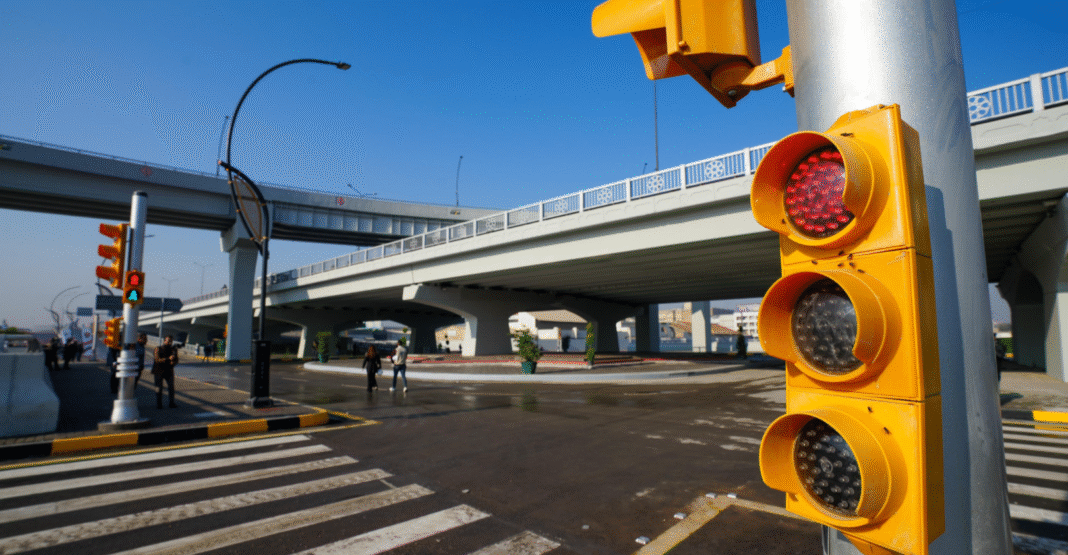
The second project improves the Kifl-Qasim highway axis in Najaf. Engineers expand the route and add a second carriageway along thirty kilometres. They also construct five overpasses in each direction. In addition, they build two grade-separated interchanges to reduce delays. The project costs about 67 million dollars and supports growing traffic needs. Officials highlight these improvements because they increase safety and shorten journeys.
Furthermore, both projects support large religious events in the region. Millions of visitors travel through Karbala and Najaf each year. The new upgrades reduce congestion and help cities manage huge crowds. Iraq uses the Iraq Regional Road Boost to coordinate these developments and ensure steady progress.
The projects also strengthen links between Karbala, Najaf, and Babil. Better connections increase trade and help farmers and factories move goods faster. Shorter travel times reduce costs and attract more investment. Therefore, Iraq expects strong economic benefits from the new works. The government also focuses on safety and aims to lower accident numbers by improving road design.
Leaders launch these projects through a live video ceremony. They explain the national strategy and confirm future expansion plans. Iraq sees transport as a key driver for development, and this approach supports long-term stability. The government continues to invest in roads because reliable movement strengthens every community. With each project, Iraq builds a stronger and more connected future.
The Iraq Regional Road Boost guides the country toward safer highways, faster travel, and sustainable regional growth. Iraq plans more infrastructure upgrades and encourages cooperation across all provinces. Through these steps, the nation moves closer to stronger economic resilience and improved public services.