

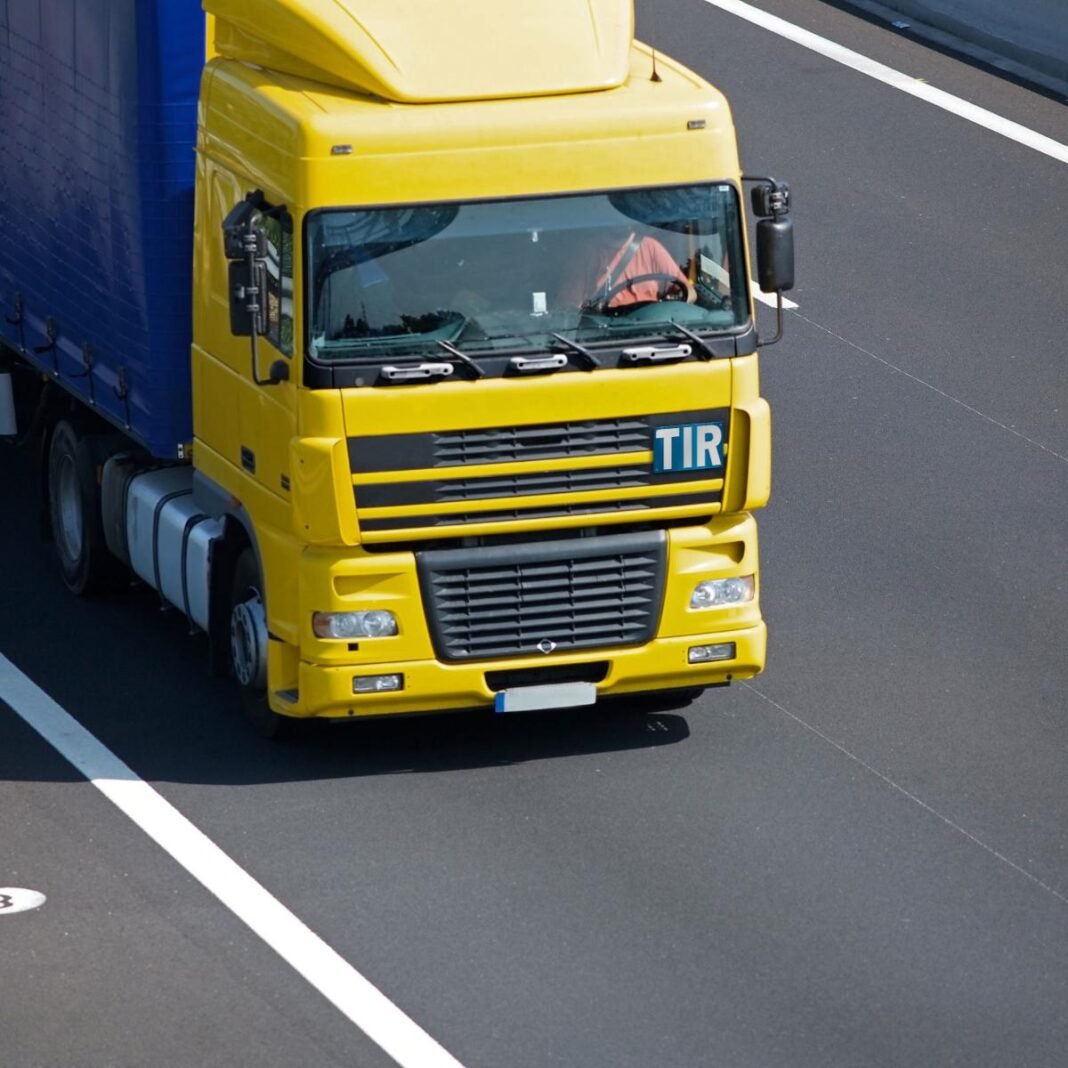
Iraq’s new overland TIR transit corridors have reshaped trade routes between Europe and the Gulf Cooperation Council (GCC). The Iraq TIR trade corridor now allows goods to move from Europe to the Gulf in just 10 days—down from 24.
A recent roundtrip by the Polish logistics company Milton Group proved the route’s effectiveness. Their truck carried yacht engines and spare parts from Poland to the UAE and back, using only road transport through Iraq.
The journey began in Poland and moved through Bulgaria, Türkiye, Iraq, Jordan, and Saudi Arabia. It entered Iraq via the Ibrahim Al-Khalil border and exited at Traibeel, making Iraq the key link in this fast and secure land corridor.
This new route, launched three months ago, is part of Iraq’s long-term strategy to become a regional logistics hub. Supported by Iraq’s General Company for Land Transportation (GCLT) and Transforat, the Iraq TIR trade corridor shows how transport infrastructure can transform trade.
Milton Group’s Chief Operating Officer Waleed Kassem called the development “a game changer.” He said avoiding congested seaports cut the delivery time by more than half. So Instead of waiting for sea shipments and customs clearance, trucks now deliver directly and faster.
The company also managed to load cargo for the return trip, keeping the roundtrip time to 10 days. As well as This efficiency saves costs and supports the growing demand for time-sensitive deliveries between Europe and the Gulf.
IRU Secretary General Umberto de Pretto praised Iraq’s leadership in opening these trade channels. He said Iraq is now offering “faster and more secure journey times” and more flexibility. These qualities are crucial as logistics firms face regional disruptions and unpredictable delays at ports.
With Iraq now fully integrated into the global TIR system, transport companies are gaining more confidence in using this route. The Iraq TIR trade corridor is not just a shortcut—it is a stable alternative to complex multimodal shipping.
This overland option also adds resilience to the entire supply chain. In addition It allows businesses to avoid maritime congestion, high port fees, and unstable sea schedules. So That’s why transport experts believe this model will expand fast.
Looking ahead, more logistics firms are likely to test and adopt this corridor. The economic benefits, time savings, and security advantages point to a strong future for Iraq as a land bridge between continents.