

Baghdad — Iraq has started exporting fuel oil through Jordan for the first time, marking a new route for its energy shipments. The Iraq fuel oil exports through Jordan began in August, according to an Iraqi Oil Ministry spokesperson.
Oil Ministry spokesperson Salim Al-Rikabi said Iraq sends the shipments through Jordan rather than selling them to Jordan. He did not provide details about the agreement or its duration. He also did not disclose when the arrangement formally took effect.
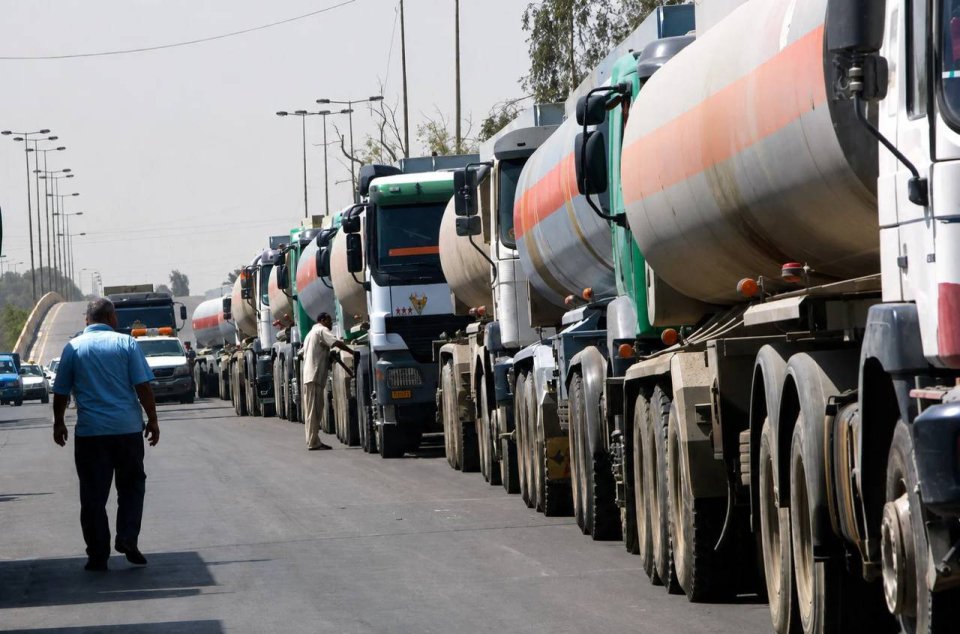
Iraqi shipments began crossing into Jordan through the Trebil border crossing in early August. Trebil serves as the only land crossing between Iraq and Jordan. The shipments have moved at around 10,000 barrels per day.
Jordan stores the Iraqi fuel oil at facilities operated by the Jordan Oil Terminals Company. The company provides petroleum storage and logistics services in Jordan. From there, the shipments can move toward international markets.
One shipment reached a total volume of 307,000 barrels before heading to Greece. The movement gives Iraq another route for reaching overseas buyers. It also expands Baghdad’s options for transporting oil products during regional disruptions.
Iraq has increasingly relied on alternative routes since the regional conflict disrupted established energy transport channels. Fuel oil shipments began moving through Syria by tanker trucks during the crisis. Iraqi cargo has also used storage facilities at the Baniyas refinery before reaching international markets.
The Syrian route has handled significantly larger volumes than the Jordanian route so far. From March through the end of August, Iraq exported about 21.4 million barrels of fuel oil through Syria. Jordan handled 307,000 barrels during the same period.
The difference shows that Jordan currently represents a smaller export channel for Iraqi fuel oil. However, the route could provide additional flexibility for future shipments. Iraq may benefit from having multiple transportation options during periods of regional instability.
The Iraq fuel oil exports through Jordan also reflect Baghdad’s efforts to maintain energy sales despite disruptions. The country increased fuel oil shipments as regional tensions affected traditional maritime routes. Those efforts aimed to offset reduced access through the Strait of Hormuz.
The Strait of Hormuz remains a major route for global energy shipments. Disruptions in the area can create significant challenges for regional exporters. Iraq’s use of land routes therefore provides an alternative when maritime transportation faces restrictions.
The new Jordan route could also strengthen Iraq’s commercial links with international energy markets. Its importance will depend on shipment volumes, storage capacity, and future agreements. Further details could emerge as Iraqi authorities expand the new export arrangement.
For now, Iraq continues to use Syria and Jordan as alternative pathways for fuel oil exports. The Iraq fuel oil exports through Jordan remain relatively limited compared with shipments through Syria. Nevertheless, the route gives Baghdad another option for keeping energy exports moving during regional uncertainty.