

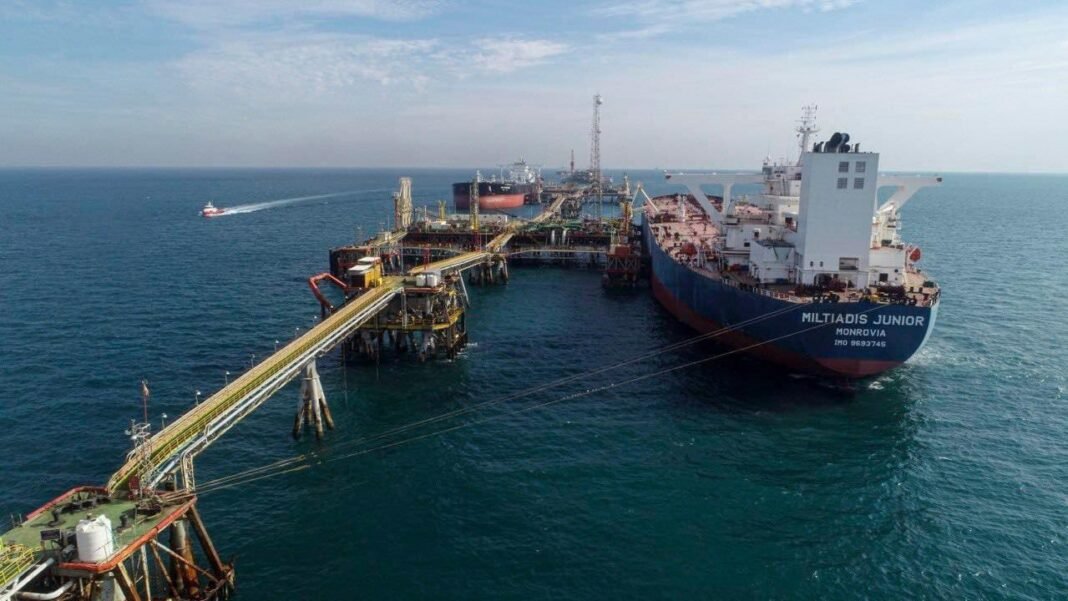
The United States resumed imports of Iraqi crude after a seven-week period with no shipments. US purchases reached 6,000 barrels per day during the week ending August 14. The latest figure marks the first Iraqi crude shipment to the US since late June.
Iraqi oil exports to the United States remain far below previous levels. US imports from Iraq reached 71,000 barrels per day during the week ending June 19. Iraq averaged 179,000 barrels per day in US-bound shipments throughout 2025.
The latest figures come from the US Energy Information Administration. Iraq ranked eighth among countries with nonzero crude shipments to the United States. The country supplied significantly less oil than other major exporters during the same week.
Canada remained the largest supplier to the US market at 3.806 million barrels per day. Venezuela followed with 730,000 barrels per day, while Brazil supplied 336,000. Mexico delivered 295,000 barrels per day and Ecuador supplied 200,000.
Libya shipped 26,000 barrels per day during the period. Saudi Arabia supplied 9,000 barrels per day, while Iraq recorded 6,000. The figures show the significant gap between Iraq and the United States’ largest crude suppliers.
Iraqi oil exports faced major disruption following the closure of the Strait of Hormuz. The waterway previously carried most of Iraq’s southern crude shipments toward international markets. The disruption forced Iraq to seek alternative routes and reduce some oil flows.
Iraq previously routed roughly 90% of its crude through the Strait of Hormuz. The closure therefore created a major challenge for one of OPEC’s largest oil producers. The disruption also affected Iraq’s ability to maintain normal export volumes.
The seven-week halt in US imports reflects the broader pressure on Iraq’s oil export system. Southern crude shipments faced difficulties as regional shipping conditions deteriorated. Baghdad has since explored alternative pipelines and other export options.
The return of Iraqi crude to the US market represents a small recovery. However, the current 6,000-barrel-per-day figure remains well below historical levels. Iraq will need to restore broader export capacity before shipments can return to previous averages.
Iraqi oil exports remain critical to Iraq’s economy because crude sales provide most government revenues. Disruptions to export routes can therefore quickly affect public finances. Maintaining reliable access to international markets remains a major priority for Baghdad.
The disruption has also increased attention on alternative export infrastructure. Iraq has been advancing plans for routes that could move crude toward markets outside the Strait of Hormuz. These projects could reduce the country’s exposure to future disruptions.
The Basra-Haditha pipeline represents one potential alternative. Expanding northern and western export routes could give Iraq greater flexibility when maritime routes face difficulties. Such infrastructure could also strengthen Iraq’s position in international oil markets.
The latest US import figures suggest that Iraqi crude is gradually returning to the American market. However, the recovery remains limited compared with the volumes recorded earlier this year. Future shipments will depend on Iraq’s ability to stabilize production and export routes.
Iraq’s position as OPEC’s second-largest producer makes reliable export infrastructure particularly important. Large production volumes have limited value if the country cannot move crude efficiently to international buyers. Diversifying export routes could therefore become a long-term economic priority.