

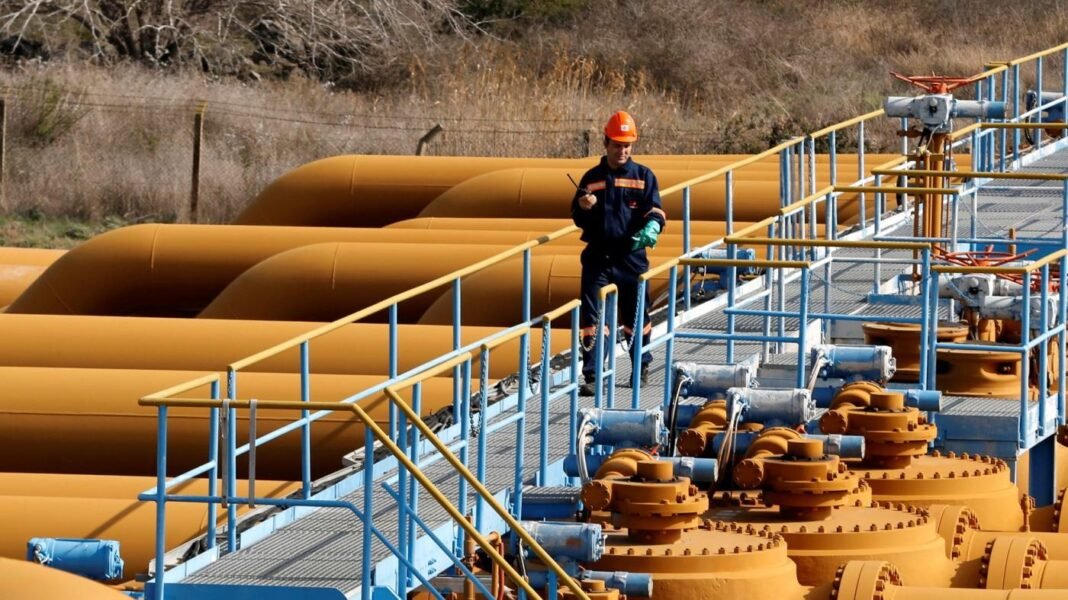
Kirkuk pipeline ready marks a major step in Iraq’s effort to strengthen its oil export network. Iraq’s North Oil Company announced that it has completed the technical preparations needed to begin moving crude through the pipeline leading to Turkey’s Mediterranean port of Ceyhan. The development signals renewed momentum for northern exports after years of interruptions. Officials now plan to move into testing before commercial shipments can resume.
Engineers have finalized the work required to prepare the strategic pipeline for operation. The first stage involves filling the 40-inch section with crude oil before sending it toward the IT1A pumping station. Once that process finishes, crews will begin a full-capacity trial using the larger 46-inch pipeline. Authorities will closely monitor the test to confirm the system performs safely and efficiently.
Company officials said the IT1A station can handle between 300,000 and 350,000 barrels of crude each day. That capacity closely matches the current production levels from the Kirkuk region. As a result, the system could transport most of the crude produced by the North Oil Company when regular exports restart. The trial will also help confirm whether the infrastructure can support long-term operations.
The reopening of the northern route carries significant importance for Iraq’s energy sector. At present, the country depends heavily on southern export terminals to sell crude to international markets. A second export route would improve flexibility and reduce pressure on southern facilities. It would also provide an alternative path if disruptions affect other export channels.
Energy analyst Ali Khalil believes the return of northern exports would strengthen Iraq’s overall oil strategy. He explained that shipping crude through Ceyhan could lower transportation costs while improving the commercial value of oil produced in northern fields. The renewed route would also create additional opportunities for future production growth. These advantages make the project important for both producers and the national economy.
North Oil Company currently produces about 325,000 barrels of oil each day from fields in Kirkuk province and nearby areas. Much of that production supplies domestic refineries instead of international buyers. Some volumes also support other oil facilities across Iraq. Export capacity has therefore remained limited despite steady production.
If the pipeline returns to full service, producers could redirect larger volumes to global markets. Higher exports would create more room for future increases in production. The Oil Ministry continues to develop existing fields while encouraging additional investment in northern operations. Growing output will require dependable infrastructure capable of moving crude without delays.
Industry observers expect the trial run to serve as the final technical milestone before exports resume. A successful test would allow authorities to increase shipments in stages rather than all at once. That gradual approach could reduce operational risks while ensuring stable performance. Officials will likely evaluate each phase before approving higher export volumes.
The timing of the project reflects Iraq’s broader effort to strengthen its position in global energy markets. Reliable northern exports could improve supply flexibility and increase confidence among international buyers. Investors also tend to favor countries with multiple export options. Better infrastructure can support long-term development across the energy sector.
Kirkuk pipeline ready also highlights the importance of maintaining balanced export routes across the country. Dependence on a single corridor can expose producers to operational challenges and market disruptions. Expanding northern capacity gives Iraq another strategic outlet for its crude. If testing succeeds, the country could soon restore a key export route that supports future production growth and strengthens its oil industry.