

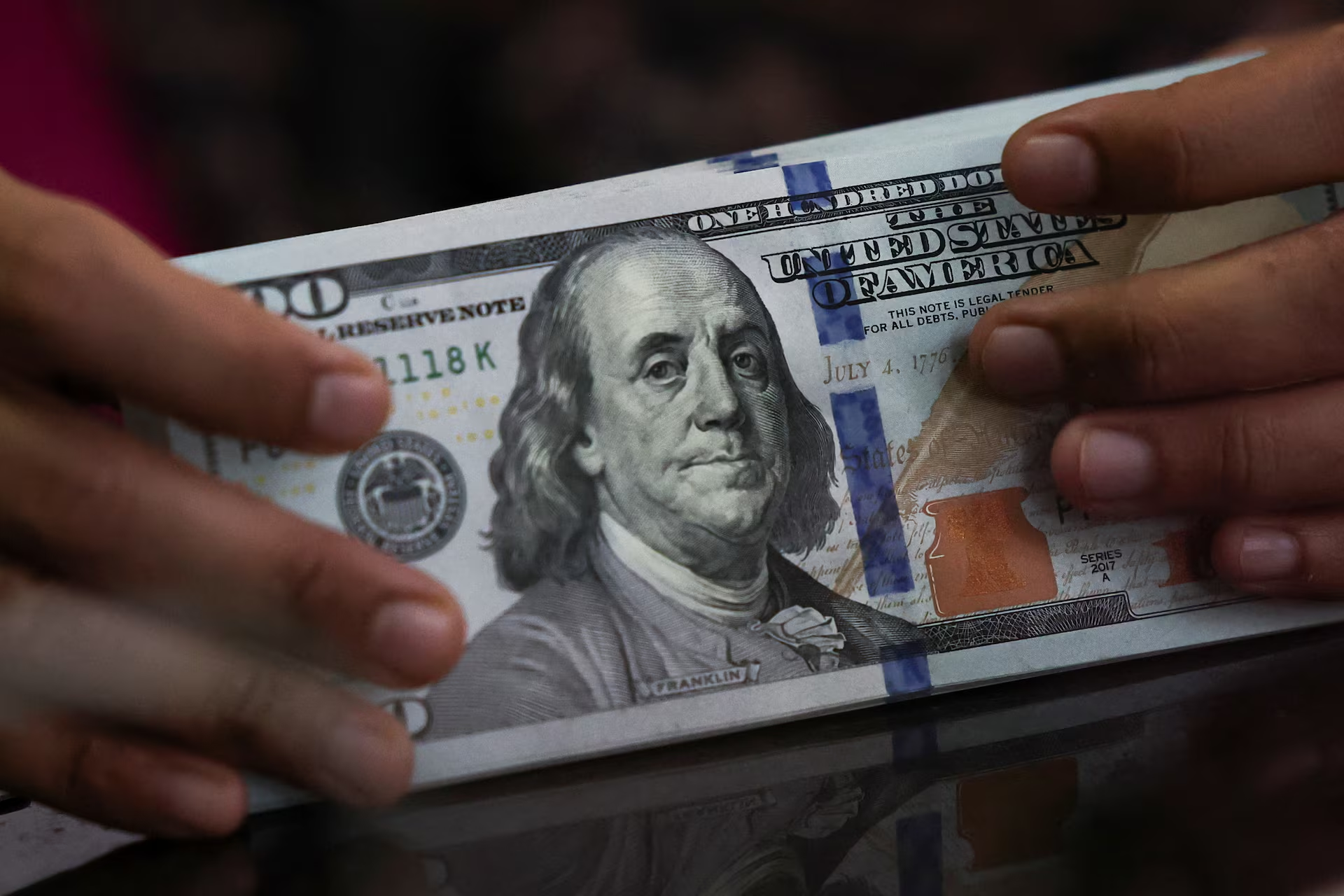
The Dollar falls in Baghdad and Erbil dominated trading discussions as Iraq’s currency markets opened on Sunday. Exchange activity showed a noticeable decline in the value of the US dollar compared with the previous trading session. Currency dealers in both Baghdad and Erbil reported lower rates during the opening hours. The movement attracted attention from traders and businesses that closely monitor daily exchange prices.
Market data showed that the US dollar traded near 153,000 Iraqi dinars for every 100 dollars. Dealers said the opening figures reflected weaker pricing than the previous session. Many traders continued to watch the market for signs of further changes throughout the day. Exchange rates often shift in response to market demand and daily trading activity.
In Baghdad, trading started at the Al-Kifah and Al-Harithiya currency exchanges with the dollar priced at 152,600 Iraqi dinars for every 100 dollars. That figure marked a decline from the previous session, when the same amount reached 153,250 dinars. The difference signaled a softer opening for the American currency. Traders quickly adjusted their buying and selling offers to match the new rates.
Exchange shops across the Iraqi capital also updated their prices after the market opened. Many shops offered to sell 100 US dollars for 153,000 Iraqi dinars. At the same time, they purchased the same amount for 152,000 dinars. These figures reflected the spread that money exchange businesses typically maintain during daily trading.
The market in Erbil followed a similar direction during the morning session. Currency exchange businesses listed the selling price at 152,450 Iraqi dinars for every 100 dollars. They also set the buying price at 152,350 dinars. The narrow difference between buying and selling rates suggested steady trading conditions despite the lower dollar value.
The Dollar falls in Baghdad and Erbil trend may influence businesses that rely on daily currency transactions. Importers, retailers, and financial firms often monitor exchange rates before completing payments or signing contracts. Small changes can affect purchasing costs and financial planning. Many traders therefore continue to follow every market update closely.
Currency exchange remains an important part of Iraq’s financial activity. Daily price movements often reflect trading demand rather than major economic shifts. Dealers regularly adjust rates throughout the day as buying and selling volumes change. Market participants expect further updates if trading conditions continue to evolve.
Investors and business owners usually compare prices between Baghdad and Erbil before making larger currency exchanges. Although the differences remain limited, they can matter during high-volume transactions. Financial observers also watch the relationship between official and market rates. That comparison helps businesses make informed financial decisions.
The Dollar falls in Baghdad and Erbil story highlights another day of changing exchange prices across Iraq’s major currency markets. Traders will continue monitoring developments as the week progresses. Businesses and consumers alike remain focused on the latest exchange figures. Future trading sessions will reveal whether the current decline continues or the market moves in a different direction.