

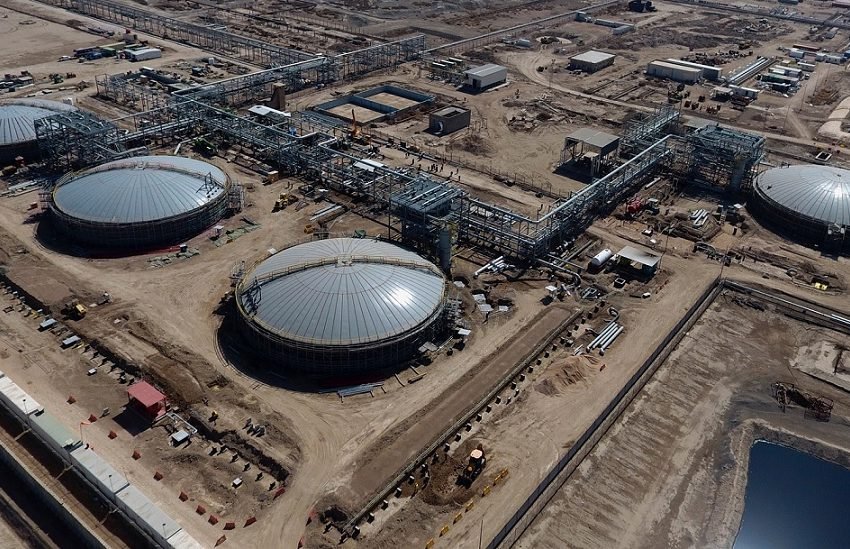
Iraq has moved to capture more natural gas from the giant West Qurna-1 oil field. The West Qurna-1 gas recovery project follows an agreement between Basra Gas Company and AKT Oil Services Company. The deal assigns the Iraqi contractor to improve operations at a gas compression station. Company officials presented the agreement as another step toward better use of domestic energy resources. It also highlights Baghdad’s continuing effort to limit gas waste from crude oil production.
AKT will handle engineering, procurement, and construction work for the low-pressure recovery system. The scope covers equipment and services needed to collect gas that might otherwise be flared. Associated gas emerges during oil production and needs dedicated infrastructure before companies can use it. Compression facilities help move gas from production sites into processing and distribution networks. BGC oversees that infrastructure at West Qurna-1, while PetroChina leads oil extraction operations.
West Qurna-1 holds about 20 billion barrels of recoverable reserves, according to industry estimates. That scale makes the southern Iraqi field one of the world’s largest oil assets. Its output creates a major opportunity to collect gas for power generation and industry. The West Qurna-1 gas recovery project aims to turn that byproduct into a more reliable national resource. Iraq can direct recovered volumes toward domestic demand when supporting facilities allow it.
BGC said the agreement supports its wider ambition to expand Iraq’s gas sector. The company has worked with regional and international partners on processing plants, pipelines, and related infrastructure. AKT has also participated in energy projects involving BGC and TotalEnergies, according to the company statement. Those partnerships can strengthen local engineering capacity while accelerating essential work in southern Iraq. Successful delivery will require timely equipment, field coordination, and dependable operation of the new system.
The West Qurna-1 gas recovery project could reduce routine flaring at the field. Lower flaring can cut emissions and protect nearby communities from unnecessary pollution. It may also help Iraq reduce dependence on imported gas and improve energy security. The agreement outlines a construction phase, but officials have not announced a public completion schedule. Its success will depend on how quickly BGC and AKT turn the plan into working infrastructure.