

Baghdad – Iraq cheapest electricity ranking placed the country eighth globally in 2026, according to newly released data from the World Population Review. Although Iraq slipped one position compared to last year, it still ranked among the countries with the lowest electricity prices worldwide.
The report showed that Iran held the top position as the world’s cheapest country for electricity. Ethiopia ranked second, followed by Sudan. Afghanistan and Syria also appeared among the five lowest-cost countries, while Bhutan and Angola secured higher spots ahead of Iraq.
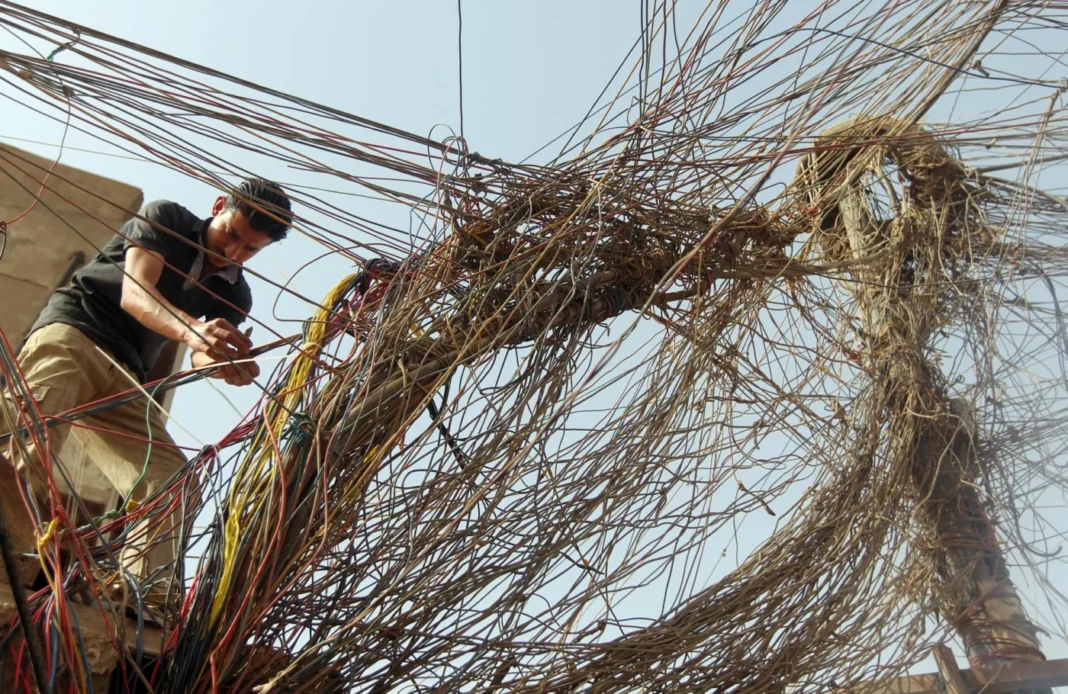
Despite the low pricing, Iraq continues to face serious problems in its power sector. Frequent outages and supply shortages remain daily challenges for millions of residents across the country. Experts say low electricity prices have not solved deeper infrastructure and production issues.
The latest ranking placed Iraq alongside countries such as Cuba and Zambia in terms of affordable power costs. However, economists argue that cheap electricity alone does not guarantee a stable energy system. Iraq still struggles to meet rising domestic demand as consumption continues to increase each year.
According to figures from Iraq’s Ministry of Electricity, the country currently needs between 50,000 and 55,000 megawatts to satisfy national demand. Yet actual production stands at nearly 28,000 megawatts, creating a large supply gap across the national grid.
Officials warned last year that the electricity crisis was worsening due to rapid population growth, high summer temperatures, and aging infrastructure. Iraq also depends heavily on imported energy supplies, making the electricity network vulnerable to political and economic instability in the region.
Energy experts believe decades of conflict and underinvestment damaged Iraq’s power infrastructure. Although successive governments announced major electricity projects, progress has remained slower than expected. Many cities continue to experience scheduled blackouts, especially during peak summer months.
The country’s dependence on imported gas and electricity also raises concerns about long-term energy security. Any disruption in regional supplies can directly affect Iraq’s national grid and reduce production capacity. Analysts say Iraq must accelerate investment in domestic gas production and renewable energy projects to reduce those risks.
At the same time, low electricity prices place additional pressure on government finances. Subsidized energy costs require billions of dollars in public spending each year. Economists argue that pricing reforms and infrastructure upgrades could help improve efficiency and reduce waste.
Still, Iraq cheapest electricity ranking highlights the government’s continued effort to keep energy affordable for households despite ongoing economic and infrastructure challenges. Observers expect the electricity issue to remain one of Iraq’s most important policy concerns in the coming years.