

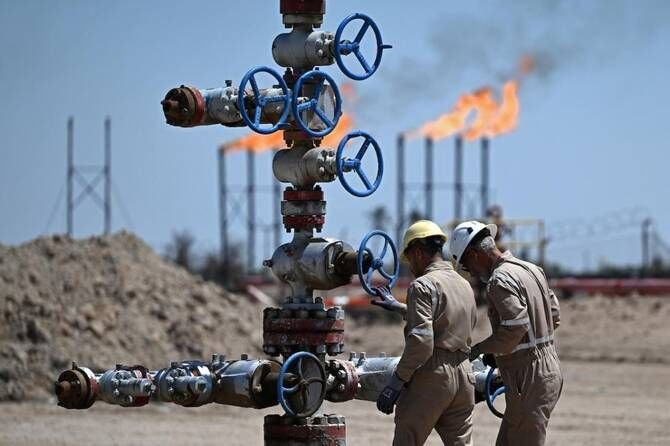
Iraq has intensified discussions with major American energy companies as Baghdad seeks to strengthen its oil and gas sector. Iraqi officials confirmed ongoing negotiations with Chevron, ExxonMobil, and Halliburton to support new development projects across the country. Iraq’s energy talks with U.S. companies have become a central part of the government’s strategy to increase production and secure long-term revenues.
Oil Minister Basim Khudair announced the negotiations during a press conference in Baghdad shortly after assuming office. He said the ministry wants to finalize agreements quickly to achieve strong economic returns for Iraq. The government believes cooperation with global energy firms can improve production capacity and modernize infrastructure.
Khudair explained that Iraq aims to expand investment opportunities in both oil and natural gas projects. Officials also hope international companies will introduce advanced technology and technical expertise into the sector. The ministry considers these partnerships essential for boosting future exports and stabilizing national income.
At the same time, Baghdad continues negotiations with Ankara on a broader energy cooperation agreement. The proposed deal would include exploration, refining, production, and marketing projects. Earlier agreements between Iraq and Turkey focused mainly on crude oil exports through existing pipelines.
The Iraqi government now wants to widen that partnership to cover more areas of the energy industry. Officials believe stronger cooperation with Turkey could improve regional trade and create additional export routes. Iraq’s energy talks with U.S. companies also support Baghdad’s wider effort to attract foreign investment into the country.
Khudair confirmed that Iraq remains in contact with the Organization of Petroleum Exporting Countries regarding production targets. The government seeks approval to increase output and export capacity in line with market conditions. Iraq currently hopes to raise production toward five million barrels per day in the coming years.
According to the oil minister, larger export volumes would significantly increase Iraq’s financial resources. Higher revenues could help fund infrastructure projects, public services, and economic development programs. Baghdad also wants to strengthen its financial position during the ongoing regional instability.
Iraq’s oil sector has faced serious pressure since tensions escalated in the Middle East earlier this year. Last month, Iraq exported only 10 million barrels of crude oil through the Strait of Hormuz. Before the regional conflict began, monthly exports had reached around 93 million barrels.
The sharp decline followed disruptions in shipping activity near the Strait of Hormuz. Security concerns forced many oil tankers to avoid passing through the critical waterway. As a result, export operations slowed, and global oil prices increased sharply.
Khudair stated that shipments through the strait now depend heavily on tanker availability and regional security conditions. Many shipping companies continue to act cautiously because of ongoing tensions. Iraq’s energy talks with U.S. companies may help the country reduce some of these challenges by improving production flexibility and expanding future export options.
Despite current difficulties, Baghdad continues to pursue new partnerships and regional agreements. Iraqi officials believe stronger cooperation with international energy firms can help restore export levels and support long-term economic growth.