

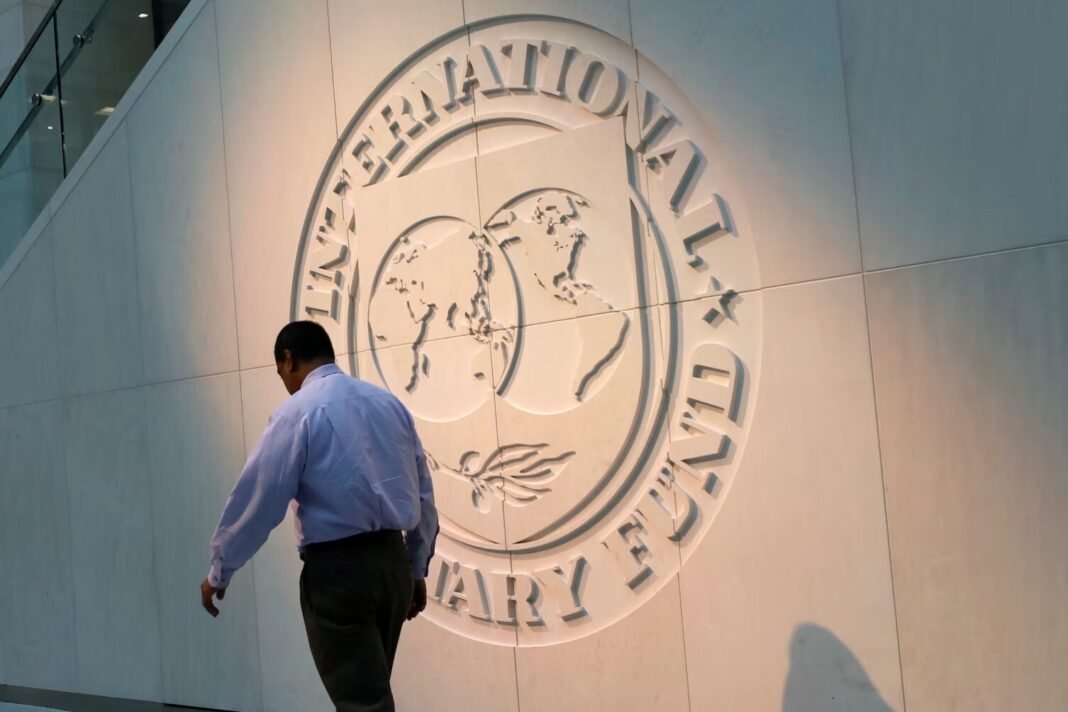
Baghdad – IMF financial assistance discussions have drawn growing attention after reports claimed Iraq requested economic support during rising regional tensions. The International Monetary Fund has not officially confirmed those reports, but officials continue talks with several countries facing financial pressure from higher oil and commodity prices.
During a recent press conference, IMF Communications Director Julie Kozak addressed questions about possible emergency support programs. She explained that the organization remains engaged with member states struggling with economic shocks linked to the conflict in the Middle East. However, she avoided naming specific countries involved in those discussions.
The issue of IMF financial assistance discussions surfaced after reports suggested Iraqi officials approached the fund for possible support. According to sources familiar with the matter, Iraqi representatives held early talks during the IMF and World Bank spring meetings in Washington last month. Officials reportedly explored several financing options and discussed Iraq’s economic outlook.
Kozak declined to directly comment on Iraq’s case. Still, she noted that many governments regularly seek IMF guidance when they face financial instability or sudden economic challenges. She added that each country receives support based on its individual economic conditions and policy needs.
The Middle East conflict has created uncertainty across global energy markets. Oil prices have fluctuated sharply in recent months, while shipping and trade costs have increased in several regions. These developments have placed additional pressure on countries that rely heavily on imports or face budget deficits.
Iraq continues to depend largely on oil revenue to finance public spending and state salaries. Although high oil prices can increase income, market instability often complicates long-term financial planning. Economists also warn that regional tensions may disrupt trade routes and investment activity if instability continues.
Reports from Reuters indicated that negotiations between Iraq and the IMF remain ongoing. Discussions reportedly focus on the potential size of financial support and the structure of any future agreement. Officials have not announced a final decision, and talks could continue for several weeks.
Earlier this year, IMF Managing Director Kristalina Georgieva stated that nearly 12 countries may require emergency support because of economic pressures connected to regional conflicts and rising commodity prices. She estimated that total financing needs could range between $20 billion and $50 billion.
Meanwhile, Iraqi officials have not publicly confirmed whether Baghdad formally requested assistance. Government representatives also have not released details about possible loan terms or economic reform conditions. Despite that, IMF financial assistance discussions continue to attract attention as Iraq monitors the economic effects of the ongoing regional crisis.