

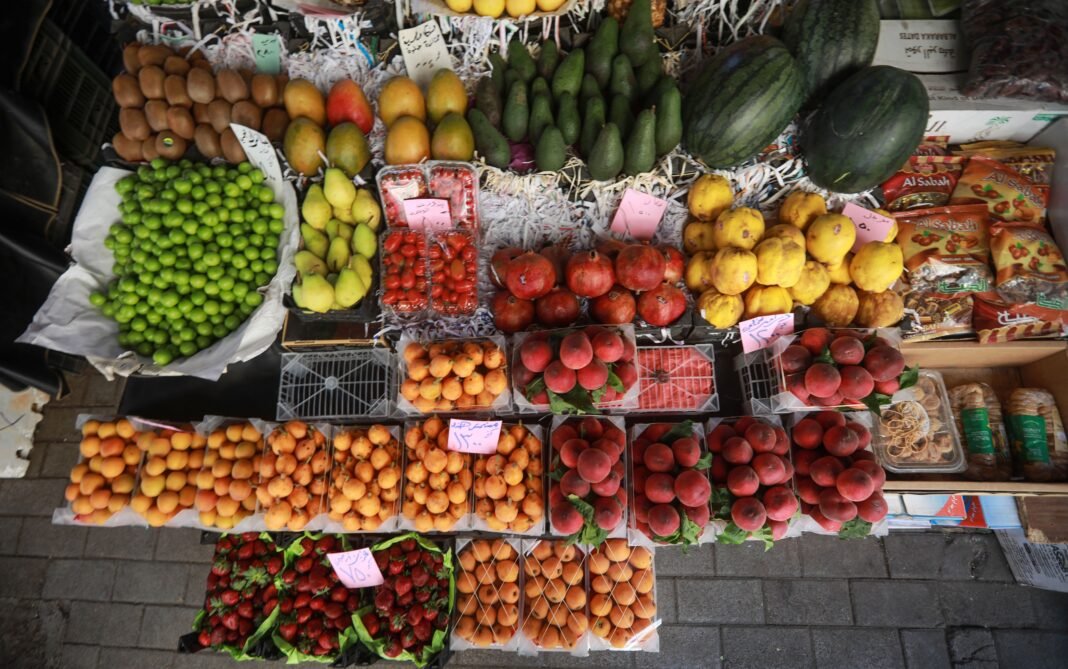
Syria’s agricultural exports to Iraq have dropped significantly as Iraqi farmers improve local crop production and quality. Traders and exporters now face growing competition from Iraqi products, especially in the fruit and vegetable sector. Iraqi agricultural production growth has started reshaping trade patterns between Baghdad and Damascus.
A Syrian agricultural official confirmed that exports to Iraq now remain limited to a small group of products. These goods include pomegranates, guava, and several citrus varieties. Annual exports currently stand at around 5,000 tons, far below Syria’s previous export levels and production capabilities.
Mohammed al-Aqqad, a member of Damascus’ Fruit and Vegetable Exporters’ Committee, said Iraqi crops have improved noticeably in recent years. He pointed specifically to tomatoes and seasonal fruits that now compete strongly with imported Syrian products. Iraqi farmers have expanded production while also improving product quality across local markets.
As a result, Syrian exporters increasingly shift their focus toward Gulf countries instead of Iraq. According to al-Aqqad, between 10 and 20 refrigerated trucks leave Syria every day carrying agricultural goods to Gulf markets. Exporters now view those destinations as more reliable due to stronger demand and fewer trade obstacles.
The decline in exports reflects wider economic changes in the region. Iraqi agricultural production growth has helped Baghdad reduce dependence on imported produce. Local products now satisfy a larger share of consumer demand inside Iraq, especially during harvest seasons.
Syrian officials worry that shrinking access to Iraqi markets could create additional pressure on farmers and exporters. Al-Aqqad called on the Syrian government to support the agricultural sector through easier export regulations and policies that encourage investment. He warned that producers may struggle if traditional markets continue to weaken.
Agriculture remains one of Syria’s important economic sectors despite years of instability and financial hardship. Export revenues support thousands of farmers, transport companies, and traders across the country. Reduced access to neighboring markets could increase economic difficulties for many businesses tied to agricultural trade.
Trade relations between Iraq and Syria have changed dramatically over the past two decades. Before the conflict that erupted in Syria in 2011, trade between the two countries reached nearly $5 billion. Cross-border business activity supported industries, transport routes, and commercial partnerships on both sides of the border.
However, war and security challenges caused trade volumes to collapse during the following years. Border closures and disruptions reduced trade to less than $1 billion annually. Syrian industrial production also declined sharply, limiting exports to neighboring countries.
In recent years, economic exchanges between Baghdad and Damascus have gradually recovered. Estimates for 2024 and 2025 place bilateral trade at around $2 billion. Despite that improvement, Iraqi agricultural production growth continues to reduce Syria’s share in Iraq’s food markets.
Iraq’s expanding agricultural sector now plays a larger role in the country’s economic planning. Officials hope stronger domestic production will improve food security and reduce reliance on imports. Meanwhile, Syrian exporters continue searching for new opportunities across regional markets to offset declining sales in Iraq.