

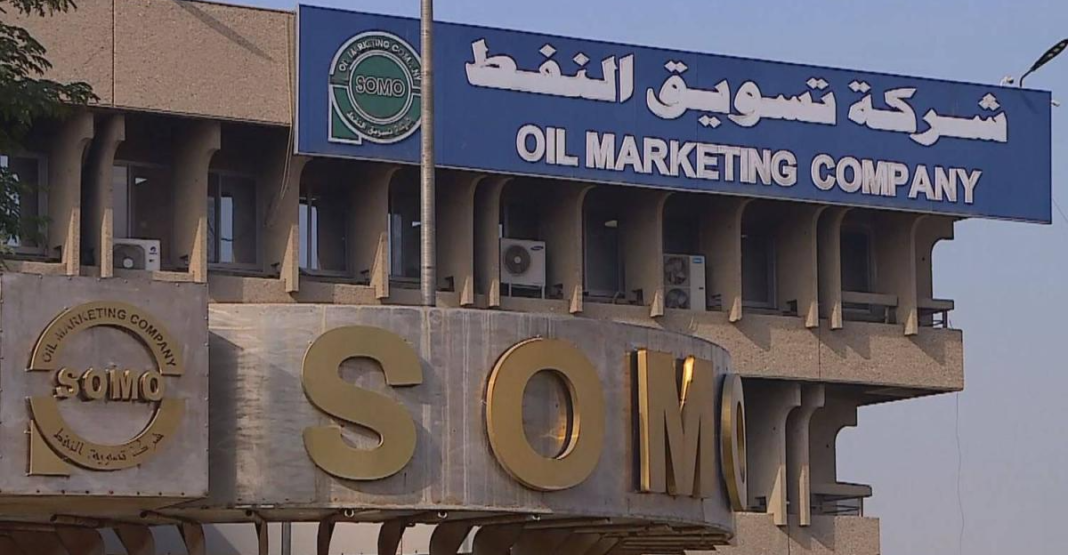
After more than a year without buying fuel from overseas suppliers, Iraq gas oil purchases have returned to the spotlight. Iraq’s State Oil Marketing Organization (SOMO) has launched a new tender to secure gas oil deliveries for August and September. The move marks a notable policy shift after the country celebrated fuel self-sufficiency only months ago. Market observers now want to understand what prompted this unexpected decision.
According to the new tender, SOMO aims to buy 127,500 metric tons of gas oil. That volume equals nearly 950,000 barrels of fuel. The first shipment will include 40,000 metric tons. Suppliers must prepare that cargo for loading by August 1.
The requested fuel contains 2,500 parts per million of sulfur. SOMO has not publicly explained why it selected this specification. However, the tender confirms Iraq’s return to international gas oil procurement after an extended absence. The organization last entered the market for similar purchases in January 2025.
Iraq previously reduced fuel imports after expanding domestic refining capacity. Officials pointed to stronger local production as the main reason behind the policy change. They also announced that the country had achieved self-sufficiency in gas oil, gasoline, and kerosene. That declaration encouraged authorities to halt regular imports.
Government data reflected that strategy during early 2026. Iraq imported no gas oil or kerosene during the first quarter. Gasoline purchases from foreign suppliers also dropped sharply compared with the same period a year earlier. Those figures highlighted the country’s growing confidence in local fuel production.
A major contributor to that progress came from the Karbala refinery. The facility can process about 140,000 barrels of crude oil each day. Iraq also added new refining units in other locations. Together, these projects increased fuel output and reduced dependence on imported petroleum products.
Higher domestic production created new export opportunities as well. Authorities redirected surplus refined products toward foreign markets instead of importing additional supplies. That strategy supported government revenue while strengthening Iraq’s position in regional energy trade. It also reflected years of investment in refinery development.
Now, Iraq gas oil purchases have returned despite those earlier achievements. The latest tender does not explain whether local demand has increased or refinery output has changed. Officials also have not indicated if maintenance work or seasonal consumption influenced the decision. As a result, analysts continue to examine several possible explanations.
Regional developments may have added pressure to energy planning. Recent tensions involving the United States and Iran have raised concerns across global shipping markets. Those disputes have affected confidence in cargo movements through the Strait of Hormuz. The waterway serves as a critical route for oil and fuel exports from Iraq’s southern Gulf terminals.
Energy traders often respond quickly to uncertainty in major shipping lanes. Governments also review supply strategies when transportation risks increase. Iraq may have decided to strengthen fuel availability before any disruption affects domestic needs. Still, SOMO has not confirmed that connection.
The coming weeks could offer more clarity as suppliers submit bids and deliveries begin. Market participants will also watch whether additional tenders appear later this year. If purchases continue, they may signal a broader adjustment in Iraq’s fuel strategy. Until then, Iraq gas oil purchases remain an important development for both regional energy markets and Iraq’s refining sector.