

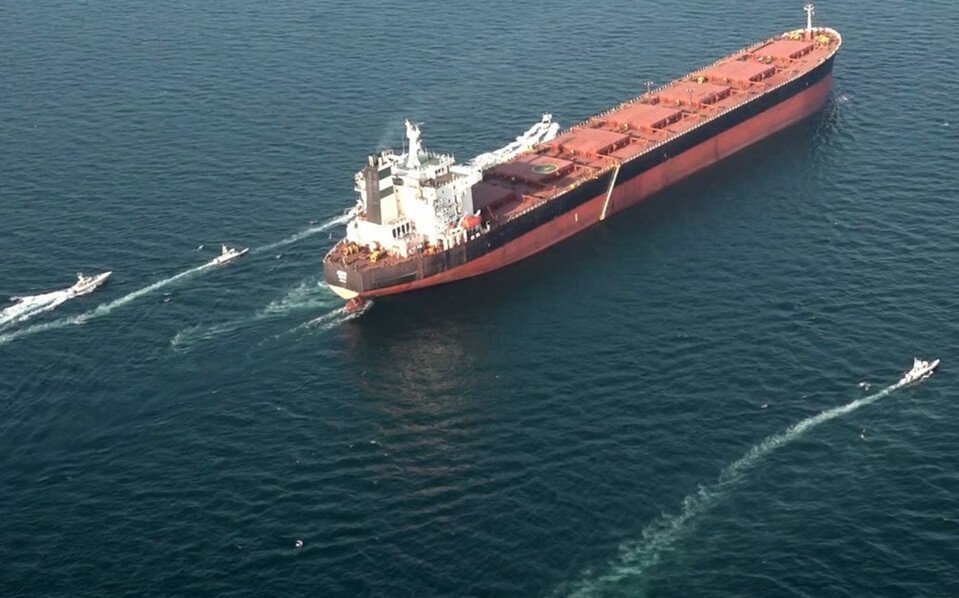
Iraqi oil exports surged in August as traders found new ways around shipping disruptions. Iraqi oil exports reached about 2.34 million barrels per day, according to preliminary estimates. That marked a sharp increase from approximately 1.35 million barrels per day in July.
Several factors helped drive the recovery. Deep discounts on Basra crude attracted buyers from major Asian markets. Meanwhile, alternative shipping methods allowed traders to move more cargo despite continuing risks around the Strait of Hormuz.
Data from Vortexa and Kpler showed August exports at different levels. Vortexa estimated shipments at roughly 2.3 million barrels per day. Kpler placed the figure closer to 2.17 million barrels per day.
Despite the rebound, exports remained below earlier levels. Iraq had recorded much stronger flows before the regional conflict disrupted energy routes. February volumes reached roughly 3.7 million barrels per day under one estimate.
The disruption poses a major challenge for Iraq because of its reliance on southern export terminals. Around 95% of the country’s oil normally moves through Gulf facilities. Oil sales also provide about 90% of federal government revenue.
Iraq’s State Oil Marketing Organization responded by offering attractive prices for Basra crude. Cargoes scheduled for August loading reportedly carried discounts of $25 to $30 per barrel. Those reductions encouraged Chinese and Indian refiners to return to the market.
Major international trading companies also showed renewed interest. Lower prices created additional incentives for buyers facing elevated shipping risks. Traders could therefore secure Iraqi crude at a significant discount while exploring alternative delivery routes.
Economist Nabil Al-Marsoumi attributed part of the increase to changes in shipping practices. Smaller tankers reportedly helped transport cargo beyond the immediate Hormuz route. Traders could then arrange onward sales after moving shipments through alternative channels.
The recovery highlights the flexibility of Iraq’s oil industry during a period of intense pressure. However, the country remains vulnerable to renewed disruptions in regional shipping. Any prolonged closure or restriction around Hormuz could quickly affect export revenues.
For now, Iraqi oil exports have recovered significantly from July’s depressed levels. The increase offers some relief for Baghdad after weeks of uncertainty. Yet August figures still show how far exports remain from pre-crisis volumes.
The coming months will depend heavily on regional security and shipping conditions. Iraq will also need to maintain competitive pricing to keep buyers interested. Continued use of alternative transport options could help protect exports if disruptions persist.
For Iraq, the latest figures provide a welcome boost but offer no guarantee of stability. Iraqi oil exports still depend heavily on Gulf routes and international market conditions. Any fresh escalation could once again place the country’s vital oil revenue under pressure.