

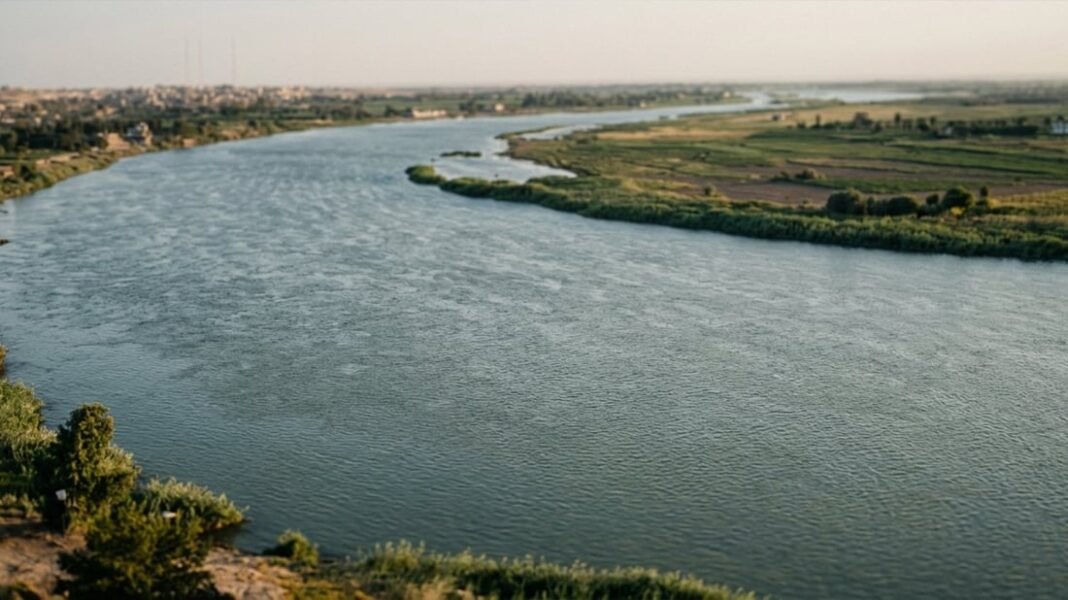
Iraq has launched precautionary measures along the Euphrates River after receiving notice that additional water will flow into the country from neighboring states. The expected increase in river levels has prompted authorities to activate monitoring and response plans to protect communities and infrastructure. Officials say the Euphrates water level situation requires close observation as larger volumes of water move downstream.
Government agencies have begun coordinating efforts to manage the expected rise in water flow. The Ministry of Water Resources, alongside civil defense teams, has intensified preparations in several areas located along the river basin. Authorities aim to prevent disruptions and ensure that local communities remain safe if water levels increase beyond normal ranges.
Officials have focused much of their attention on western Iraq, particularly in areas bordering the Euphrates River. Local administrations in Al Anbar province have joined the effort by working with water management teams and emergency services. Together, they are implementing preventive measures designed to reduce potential risks.
As part of the emergency plan, authorities have started removing obstacles and unauthorized structures located within the river basin. These actions seek to improve water movement and prevent blockages that could increase flood risks. Field teams are also conducting inspections to identify vulnerable locations that may require immediate intervention.
In addition, monitoring units now operate around the clock. These teams track river conditions and report any significant changes in water flow. Continuous surveillance allows officials to respond quickly if unexpected developments occur along the river.
The government’s actions come after Turkey and Syria informed Iraqi authorities about plans to release additional water downstream. While the extra inflows may help ease some water shortages, officials remain cautious about managing the sudden increase. The current focus centers on maintaining a balance between benefiting from higher water supplies and preventing potential flooding.
For years, Iraq has struggled with declining river flows and recurring drought conditions. Reduced water availability has placed pressure on agriculture, drinking water supplies, and environmental resources across the country. Climate change and upstream water management practices have further complicated the situation.
The challenge has become especially important as Iraq continues to face rising temperatures and expanding desertification. Many regions have experienced water scarcity that has affected farming activities and local economies. Against this backdrop, the recent increase in Euphrates water levels presents both opportunities and challenges for water managers.
Authorities stress that emergency teams remain fully prepared to respond if conditions change. Monitoring centers continue to assess developments across the river basin while maintaining communication with local governments. Officials say they will adjust their response plans whenever necessary to protect residents and critical infrastructure.
As water flows continue entering the country, Iraqi agencies will closely monitor Euphrates water levels and evaluate their impact on affected regions. The government hopes that proactive planning and coordination will help manage the situation effectively while safeguarding communities along one of Iraq’s most important waterways.