

.
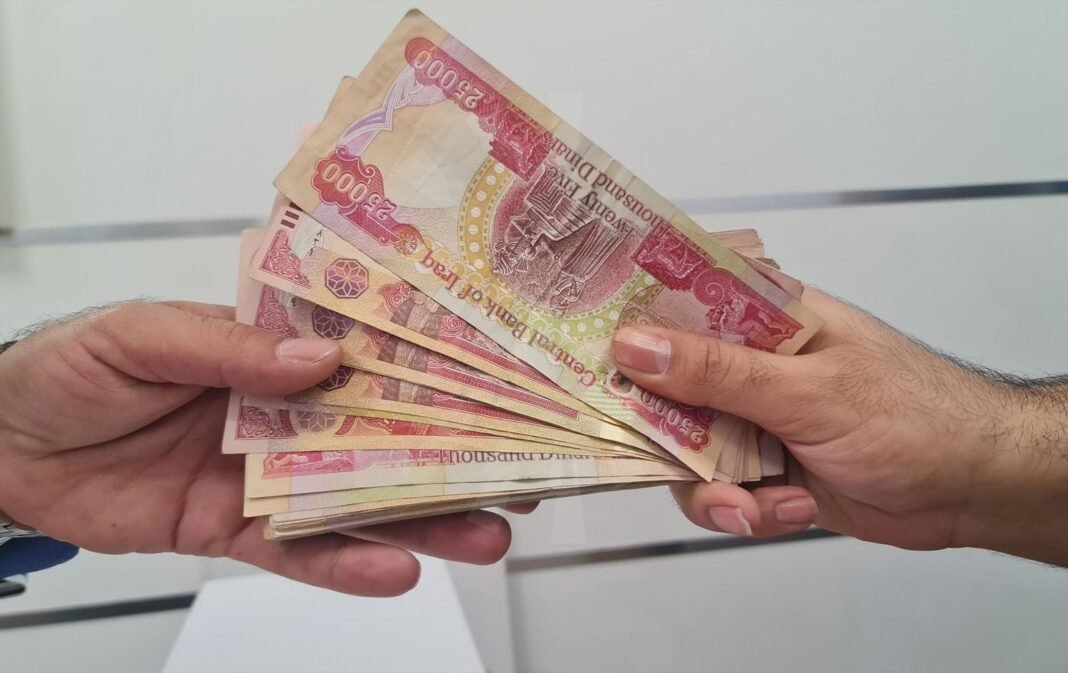
The rapid growth of the Iraqi cash economy continues to reshape the country’s financial landscape. Exchange and money transfer offices have expanded across Iraq in recent years. This trend highlights the public’s preference for cash-based transactions. Many citizens and businesses still rely on exchange companies for daily financial services.
Financial data shows that a large share of Iraq’s money remains outside the formal banking system. Prime Minister’s financial adviser Mudher Mohammed Saleh said about 95 trillion dinars circulate outside banks. That amount equals roughly $72.5 billion. It represents nearly 87 percent of the country’s total money supply.
Experts believe this trend limits the banking sector’s ability to support economic growth. Banks depend on deposits to provide loans and finance investments. They also use deposits to support business activity. When money remains outside banks, lending opportunities become more limited.
Iraq has made progress in expanding financial inclusion. The Central Bank of Iraq reported that financial inclusion exceeded 40 percent in 2025. Previous estimates placed the figure near 20 percent. The data includes bank accounts, digital wallets, and electronic payment services.
Despite that progress, many Iraqis still use banking services only occasionally. Others maintain accounts but rarely conduct transactions. Cash remains the preferred payment method for many households and businesses. As a result, the Iraqi cash economy continues to dominate commercial activity.
Iraq’s dependence on imports has strengthened the role of exchange offices. Many traders use these businesses to obtain foreign currency. They also rely on them for international money transfers. Some importers face difficulties accessing dollars through official channels.
As demand for foreign currency increases, exchange offices play a larger role in trade. Small and medium-sized businesses frequently depend on these services. They use them to complete import transactions and manage overseas payments. This demand has encouraged further growth across the sector.
Regulatory estimates suggest that thousands of exchange offices operate nationwide. In comparison, public and private banks maintain around 900 branches. The exchange sector also contributes significantly to employment. Industry estimates indicate it supports more than 50,000 direct and indirect jobs.
These companies help maintain liquidity in the market. They also provide services that many customers consider faster and more convenient. Their widespread presence has made them an important part of Iraq’s financial system.
However, economists have expressed concerns about certain business practices. Economic expert Dirgham Mohammed Ali said some exchange companies offer loans and salary-backed financing. He noted that such activities fall outside their legal responsibilities. He warned that borrowers may face higher risks.
Ali explained that these arrangements often involve elevated costs. They also operate without the regulatory safeguards applied to banks. He stressed that exchange companies are licensed for currency exchange and transfers. Lending activities do not form part of their authorized role.
Financial expert Hilal al-Taan said many customers prefer exchange offices for practical reasons. They offer simpler procedures and longer working hours. Customers also benefit from faster service. Limited confidence in some banking institutions has reinforced this preference.
Al-Taan added that exchange offices influence currency markets indirectly. Supply and demand remain key factors in determining exchange rates. Speculation also affects market movements. Differences between official and market prices continue to shape Iraq’s financial environment.
The growth of the Iraqi cash economy reflects both opportunity and challenge. Exchange offices fill important gaps in financial services. At the same time, policymakers continue working to strengthen the banking sector. Their goal is to encourage greater use of formal financial institutions.