

A major Iraqi oil shipment has successfully passed through the Strait of Hormuz despite heightened regional tensions. The transit highlights both opportunities and risks in the global energy market.
The shipment attracted significant attention from analysts and traders. It overcame several obstacles during its journey from southern Iraq to Asia.
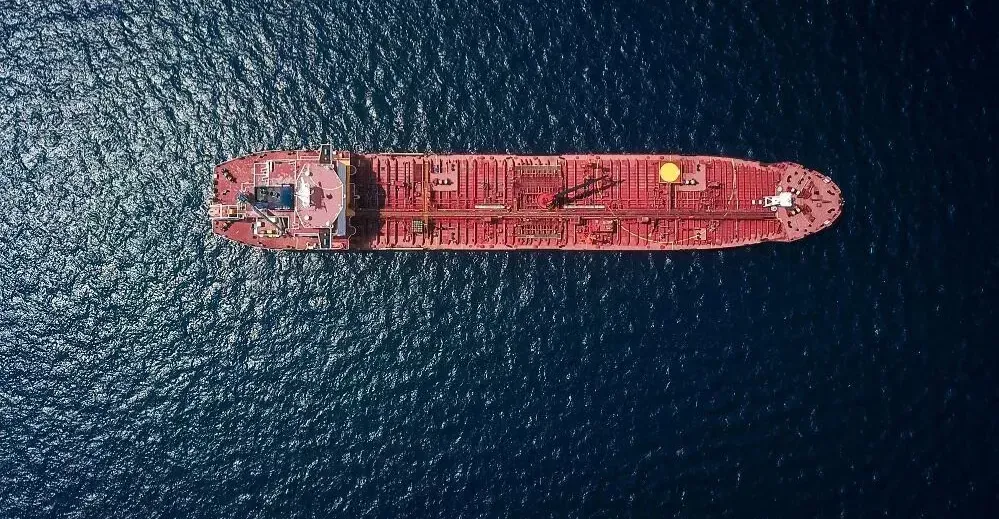
The supertanker Agios Fanourios I carried nearly two million barrels of crude oil from Iraq’s Basra oil fields. Market observers closely monitored the vessel as shipping activity in the Gulf faced increasing disruptions. The cargo was ultimately destined for Vietnam, but a Swiss-based trading company played a critical role in ensuring the shipment reached open waters.
Industry sources said Geneva-based trader Lytton managed the logistics and commercial risks associated with transporting the crude through the strategically important waterway. The company stepped in at a time when many operators remained cautious due to security concerns and ongoing tensions in the region.
The near shutdown of shipping routes through the Strait of Hormuz has created unusual trading conditions. As a result, companies willing to accept greater risks have found opportunities to secure oil cargoes at substantial discounts. Iraq has faced increasing challenges exporting crude from its southern terminals, leading to pressure on stockpiles and marketing operations.
According to industry estimates, Lytton purchased the crude at a discount of around $18 per barrel compared with international benchmark prices. Strong demand outside the Gulf region helped create attractive profit margins for traders capable of moving cargo safely through restricted routes.
Reports also suggest that Iraq’s oil marketing authorities offered even larger discounts to buyers prepared to load crude within the Gulf. Such incentives encouraged trading houses to explore alternative strategies, including ship-to-ship transfers conducted near regional export hubs.
The journey of the Iraqi oil shipment proved difficult from the beginning. Sources familiar with the matter indicated that Iranian naval forces instructed the tanker to turn back twice while attempting to cross the Strait of Hormuz. The vessel reportedly secured passage only after diplomatic efforts involving Iraqi officials.
The ship’s operator later clarified that authorities never boarded the tanker and did not redirect it to an Iranian port. Nevertheless, the delays highlighted the challenges facing commercial shipping in one of the world’s most important energy corridors.
Additional complications emerged after the tanker exited the strait. The U.S. Navy stopped the vessel over concerns that it could be transporting sanctioned Iranian oil. The incident triggered a detailed inspection process that lasted several days.
Officials from PetroVietnam Oil reportedly contacted U.S. authorities and stressed the importance of the cargo to Vietnam’s energy needs. Following a thorough review, inspectors cleared the vessel and allowed it to continue toward its destination in East Asia.
Although analysts estimated a potential profit of roughly $60 million from the transaction, operational expenses reduced the final returns. Freight costs surged sharply because of heightened risks in the region. Chartering the supertanker reportedly cost between $35 million and $40 million.
The company also faced additional expenses while the vessel remained under inspection. Delays generated demurrage charges that further reduced profits.
Meanwhile, compliance concerns remain a major challenge for traders operating in the area. U.S. authorities continue to warn companies against making payments that could violate sanctions regulations. Representatives connected to the operation stated that no transit or escort payments were made to Iranian authorities.
The successful completion of the Iraqi oil shipment demonstrates both the risks and rewards facing energy traders in today’s volatile market. As regional tensions persist, similar operations are likely to remain under close scrutiny from governments, regulators, and global energy markets.