

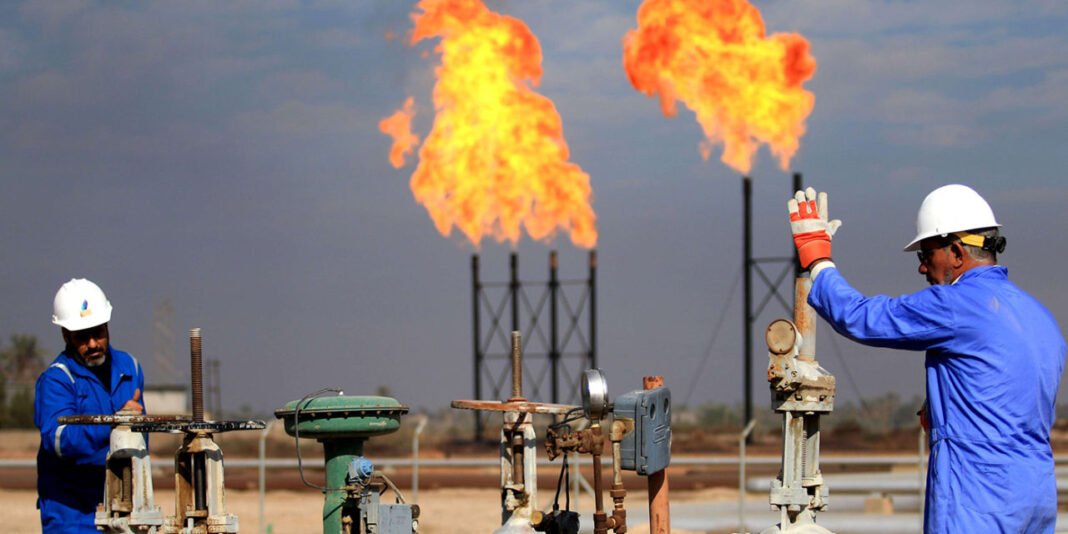
Iraq moves to secure its electricity supply as the Iraq oil-for-gas deal gains urgency. Officials aim to stabilize power output before peak summer demand rises sharply. The plan focuses on exchanging crude oil with Iran for steady gas supplies.
The Iraq oil-for-gas deal comes as electricity demand could reach 50,000 to 55,000 megawatts. Current production stands near 27,000 to 28,000 megawatts. This gap creates serious pressure on the national grid and daily life.
Moreover, lawmakers have pushed for immediate solutions to prevent shortages. The Ministry of Electricity plans maintenance work to stabilize output. Officials target consistent production between 26,000 and 27,000 megawatts. This step aims to keep the supply steady during high-demand periods.
In addition, the Iraq oil-for-gas deal avoids complex financial transfers. Instead, Iraq will supply fuel oil in exchange for imported gas. This method ensures faster delivery and reduces financial obstacles. It also helps maintain continuous fuel for power plants.
Furthermore, gas imports from Iran have dropped sharply. Supplies fell to about five million cubic meters per day. Previously, imports reached around 19 million cubic meters per day. Iraq usually needs nearly 30 million cubic meters daily. This shortage has weakened electricity generation capacity.
At the same time, disruptions have already reduced power output. Recent supply cuts caused a loss of about 3,500 megawatts. Earlier interruptions also removed more than 3,000 megawatts from the grid. These losses highlight the system’s vulnerability to external shocks.
The Iraq oil-for-gas deal also connects to broader energy plans. Officials want to expand regional electricity links with neighboring countries. They also plan to invest more in solar energy projects. These steps aim to reduce reliance on imported gas over time.
Despite these efforts, Iraq continues to face structural energy challenges. The country holds vast oil reserves, yet it struggles to meet domestic power demand. Seasonal spikes in consumption make the situation more difficult.
Overall, Iraq pushes forward with urgent solutions to avoid major electricity shortages. The oil-for-gas strategy offers a short-term fix while long-term reforms continue. As summer demand rises, a stable energy supply remains a top priority.