

Baghdad – Iraq oil exports through Hormuz continue to face challenges after the recent conflict between the United States and Iran. Iraq depends heavily on the strategic waterway for crude exports. The country also has few alternative export routes. These factors make any disruption especially significant for the national economy.
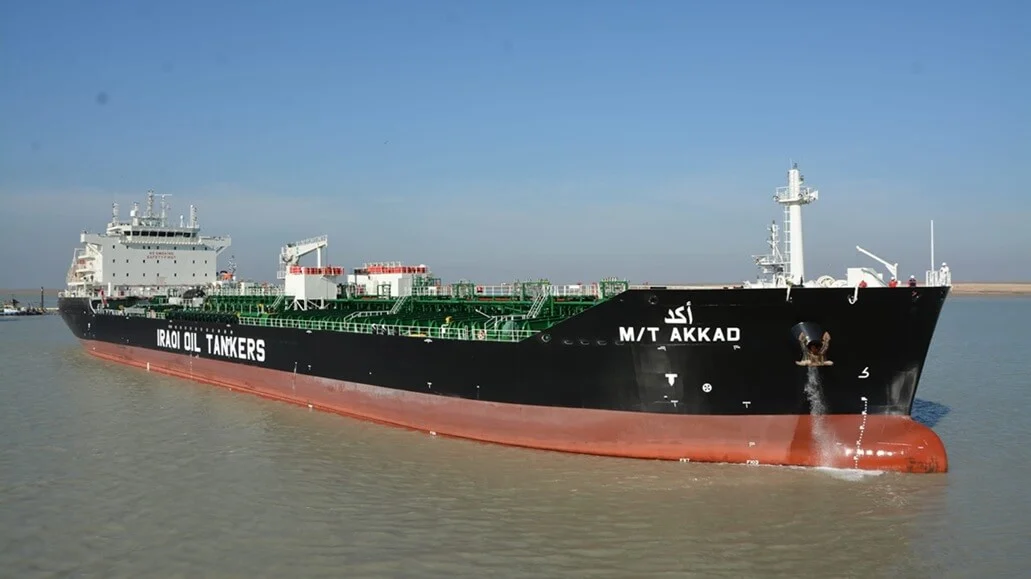
A Reuters report said reopening the shipping route alone will not restore exports immediately. Oil producers also need additional tankers. These vessels will transport crude currently stored in regional facilities. Their availability remains a key part of the recovery process.
Analysts expect Gulf oil production to return to pre-conflict levels by December 2026. However, they believe several risks remain. Political uncertainty continues across the region. Shipping companies also face logistical challenges that may delay a full recovery.
Although navigation through the Strait of Hormuz has resumed, shipping activity remains below normal. Tanker traffic has not returned to previous levels. Many operators continue to monitor security conditions before sending vessels back into the area.
According to the report, tanker arrivals remain far lower than departures. Last week, only one tanker entered the Arabian Gulf for every four vessels that left. The figures suggest shipping companies remain cautious despite improving conditions.
Security concerns continue to influence commercial decisions. Higher insurance costs also affect shipping companies. Many operators prefer to wait for greater stability before increasing operations. As a result, export activity remains slower than expected.
The Iraq oil exports through Hormuz outlook depends on more than security. Exporters also need enough tankers to move crude efficiently. Limited vessel availability could slow shipments. It may also delay the return of full production capacity.
Iraq remains one of the most exposed oil producers in the Gulf. Most of its crude exports pass through southern terminals connected to the Strait of Hormuz. Unlike some countries, Iraq cannot easily redirect exports through alternative routes.
Other Gulf producers face similar challenges. Kuwait, Bahrain, and Qatar also depend heavily on the strategic waterway. Any future disruption could affect export schedules. Government revenues could also come under pressure if shipping slows again.
Energy experts continue to monitor developments closely. They are watching tanker availability and shipping costs. Regional security also remains an important factor. Together, these issues will determine how quickly exports recover.
Market conditions may improve if stability continues. More shipping companies could gradually return to the region. Increased tanker traffic would support higher export volumes. It would also strengthen confidence across global energy markets.
The Iraq oil exports through Hormuz recovery will likely take time. Stable security conditions remain essential. More available tankers are also needed. Together, these factors will help Iraq restore exports and support its oil-dependent economy.