

Iraq’s energy export vulnerability has once again come under scrutiny after lawmakers raised concerns about the country’s dependence on a single crude oil export route. Members of the parliamentary Oil, Gas, and Natural Resources Committee warned that Iraq must move quickly to strengthen its energy infrastructure and reduce exposure to regional disruptions.
Speaking to the state-run newspaper, committee member Khalid Sido said Iraq continues to rely heavily on one major maritime outlet for oil exports. He described this situation as a serious strategic weakness that could threaten government revenues during times of regional instability.
Sido pointed to the long-delayed Basra-Aqaba oil pipeline project as an example of missed diversification efforts. The project was designed to connect Iraqi oil fields with Jordan’s Red Sea coast. However, construction delays have prevented the route from becoming a viable export alternative.
According to Sido, Iraq should use its financial resources to establish a national tanker fleet owned by the state. He argued that such a move would strengthen energy security while reducing dependence on foreign shipping companies. Iraq currently pays significant transportation costs for each exported barrel of crude oil. A domestic fleet could lower those expenses and provide greater flexibility during emergencies.
The lawmaker added that Iraq’s balanced regional relationships could help maintain oil deliveries even during periods of geopolitical tension. He stressed that reducing energy export vulnerability should remain a national priority for policymakers.
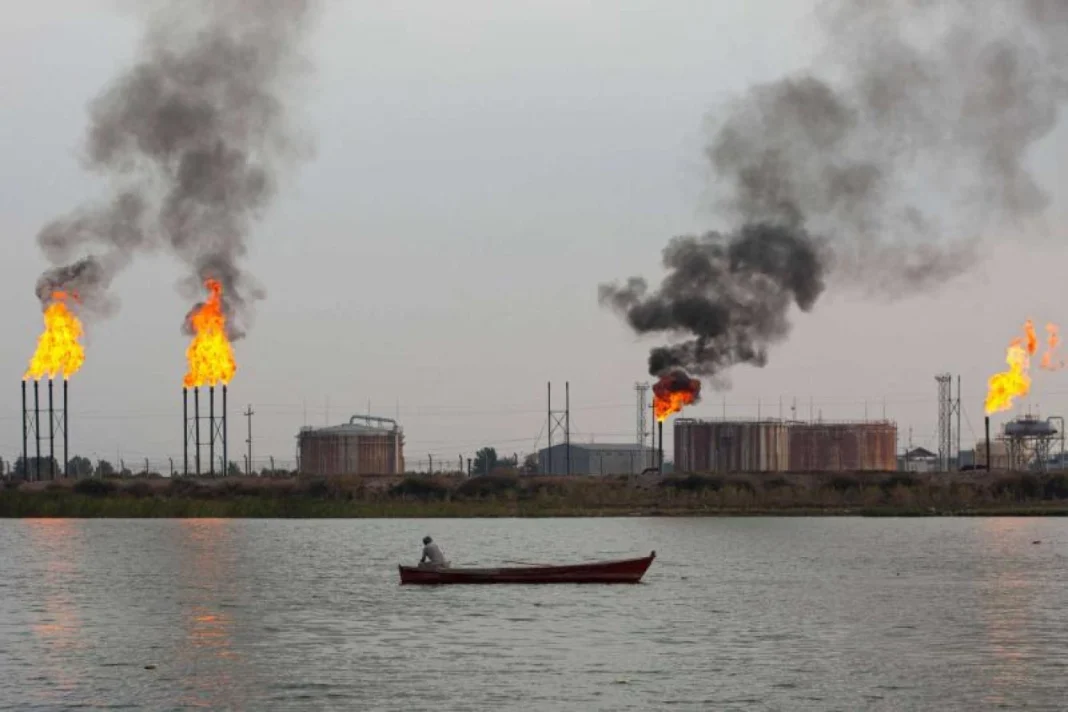
Meanwhile, committee member Hawra Aziz Al-Mousawi discussed ongoing efforts to reduce gas flaring across southern oil fields. She said Iraq cannot completely eliminate gas flaring by the end of next year because several major requirements remain unfinished.
Al-Mousawi outlined four key challenges that continue to slow progress. First, Iraq must complete large gas processing facilities and extensive pipeline networks. Second, operators need to install modern gas gathering and compression stations at production sites. Third, the country must secure billions of dollars in continued investment. Finally, authorities must maintain stable and secure operating conditions across oil-producing regions.
She noted that Iraq loses billions of dollars every year by burning associated gas instead of processing it. These losses fluctuate according to global energy prices. At the same time, Iraq continues to spend heavily on imported natural gas to support electricity generation.
The economic impact extends beyond direct financial losses. Unused gas could support domestic industries, including petrochemical production and fertilizer manufacturing. Instead, valuable resources go to waste while industrial opportunities remain underdeveloped.
Environmental concerns also continue to grow. Gas flaring contributes to pollution and raises health risks for residents in Basra and other producing provinces. Local communities have repeatedly voiced concerns about air quality and respiratory illnesses.
Despite these obstacles, officials have reported encouraging progress. Iraq’s associated gas utilization rate has risen substantially in recent years. Current figures show utilization levels reaching between 65 and 70 percent, compared with previous levels of roughly 51 to 53 percent.
Several major international energy companies are helping drive these improvements. Projects involving BP and TotalEnergies are expanding gas processing capacity and supporting long-term energy development. These investments aim to strengthen domestic power supplies while reducing waste.
As Iraq works to modernize its energy sector, lawmakers continue to emphasize the importance of reducing energy export vulnerability. They believe stronger infrastructure, diversified export routes, and better gas utilization will play critical roles in protecting the country’s economic future.