

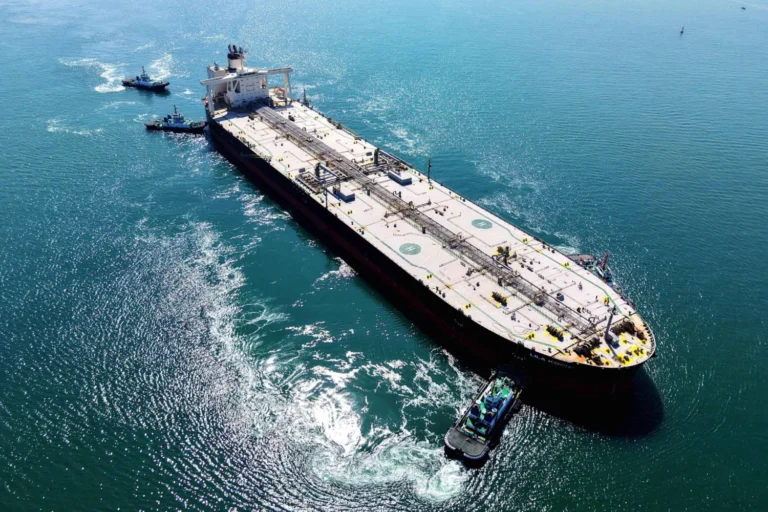
Iraq faces growing pressure as the Iraq oil export crisis continues to disrupt the country’s energy sector. New market data shows a sharp decline in crude shipments following the prolonged closure of the Strait of Hormuz. The situation has reduced export volumes and raised concerns about Iraq’s economic outlook.
Industry sources told Reuters that Iraq has lost between 2.5 million and three million barrels of oil exports per day. The disruption has forced the country to seek alternative routes to move part of its production. However, those channels have not replaced the volumes normally shipped through the strategic waterway.
Iraq joined Kuwait and the United Arab Emirates in redirecting some exports through other transportation networks. These measures helped prevent a complete halt in shipments. Even so, export levels remain far below normal figures.
The decline comes as tensions continue to affect the global energy market. The conflict involving the United States, Israel, and Iran has increased uncertainty across the region. Energy traders and governments continue to monitor developments closely.
Analysts initially warned that the crisis could remove between 12 million and 15 million barrels of Gulf crude from international markets each day. Such a loss would rank among the most serious supply disruptions in recent years. Those concerns have pushed oil market participants to reassess supply expectations.
Recent figures highlight the scale of the downturn. Iraq’s crude exports dropped by more than 3.2 million barrels per day in May 2026 compared with the same period a year earlier. The decline reflects the severe impact of shipping disruptions in the Strait of Hormuz.
Seaborne exports averaged only 96,000 barrels per day during May. In the same month of 2025, shipments averaged more than 3.3 million barrels per day. This dramatic difference illustrates the depth of the current Iraq oil export crisis.
Export data from the first five months of 2026 shows how quickly conditions deteriorated. Iraq exported more than 3.3 million barrels per day in January and February. Volumes then dropped sharply to 549,000 barrels per day in March. They fell further to 132,000 barrels per day in April before reaching even lower levels in May.
Production trends also reveal mounting challenges. According to the latest OPEC figures, Iraq produced 4.18 million barrels per day in February. By April, output had fallen to 1.67 million barrels per day. Lower production has added further pressure to already weakened export flows.
The continuing Iraq oil export crisis threatens government revenues and economic stability. Oil remains the country’s primary source of income and foreign currency. Unless shipping routes recover, Iraq could face additional financial challenges in the months ahead.