

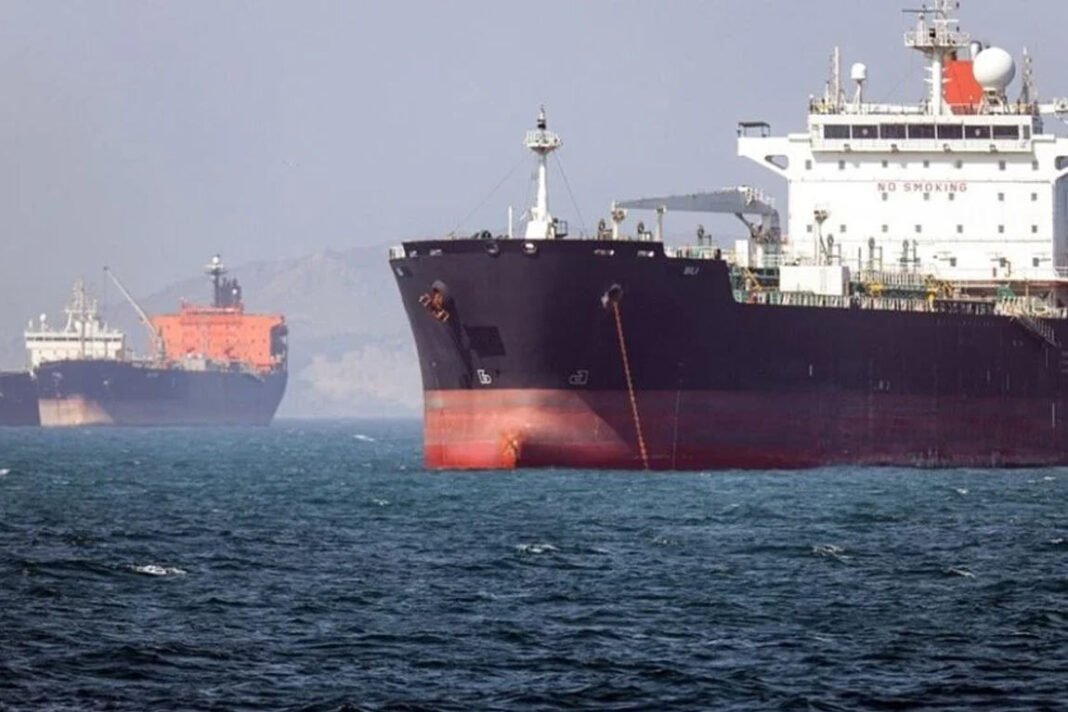
Iraq borrowing bill discussions gained momentum after lawmakers prepared new legislation to help the country manage growing financial pressure. Iraq’s parliament believes borrowing has become necessary as the closure of the Strait of Hormuz continues to disrupt oil exports. The government now faces mounting fiscal challenges while searching for ways to protect public spending. Officials say the proposal could provide temporary financial stability during the ongoing regional crisis.
The parliament’s Finance Committee confirmed that it has completed a draft law covering both domestic and foreign borrowing. Committee members explained that falling export revenues have left the government with limited financial options. They argue that borrowing remains the fastest way to cover essential expenses. The proposal will move through the legislative process in the coming weeks.
Finance Committee Chairman Uday Awad Kadhim said Iraq has few alternatives while exports remain restricted. According to him, the closure of the Strait of Hormuz has sharply reduced the country’s ability to sell crude oil. Since oil provides the largest share of government income, lower exports quickly affect public finances. Officials now focus on securing enough funding for critical obligations.
The regional conflict has disrupted one of the world’s most important shipping routes. The Strait of Hormuz normally handles a significant share of global oil shipments. Supply interruptions have pushed international oil prices higher. However, Iraq has struggled to benefit because export volumes have dropped sharply.
Government figures show a dramatic decline in crude exports after the conflict intensified. Oil sales fell far below earlier monthly levels, reducing billions of dollars in expected revenue. The loss has placed increasing pressure on state finances. Public sector salary payments now represent one of the government’s biggest concerns.
Finance Committee member Rebwar Karim said government revenue remains well below spending requirements. Early estimates for July indicate that collected income covers only a small portion of planned expenditures. That shortfall increases pressure on lawmakers to approve emergency financial measures. Parliament hopes the borrowing proposal can ease those immediate challenges.
Committee member Ikhlas al-Dulaimi said officials continue reviewing funding needs for salaries and essential government programs. She also noted that Prime Minister Ali al-Zaidi secured financial support during his recent visit to Washington. Authorities continue evaluating available resources before determining the total borrowing requirement. Budget planning remains a major priority.
Officials also confirmed that Iraq will not finalize a full federal budget during the current year. Instead, government institutions expect to focus on preparing the 2027 budget later this year. Lawmakers aim to create a spending plan that reflects changing economic conditions. They also hope future budgets will strengthen financial stability.
Meanwhile, Iraq continues searching for alternative export routes. Authorities have increased attention on northern pipelines leading toward Turkey’s Ceyhan port. Officials also study western land routes through Syria to improve export flexibility. These options could reduce dependence on Gulf shipping lanes during regional disruptions.
Prime Minister Ali al-Zaidi recently visited Washington to strengthen economic cooperation with the United States. During the trip, he met President Donald Trump and held discussions with American companies. The government hopes stronger investment partnerships will support long-term economic growth. Foreign investment remains an important part of Iraq’s development strategy.
Iraq borrowing bill proposals highlight the difficult balance facing Iraqi policymakers. Leaders must maintain government services while responding to unexpected regional challenges. They also seek lasting solutions that reduce future financial risks. Diversifying the economy remains an important long-term objective.
For now, parliament continues reviewing the proposed legislation while monitoring developments in regional markets. Lawmakers believe quick financial action can help protect public services during the current crisis. At the same time, they continue exploring broader economic reforms to strengthen resilience. Iraq borrowing bill discussions now stand at the center of Iraq’sefforts to navigate one of its most challenging financial periods in recent years.