

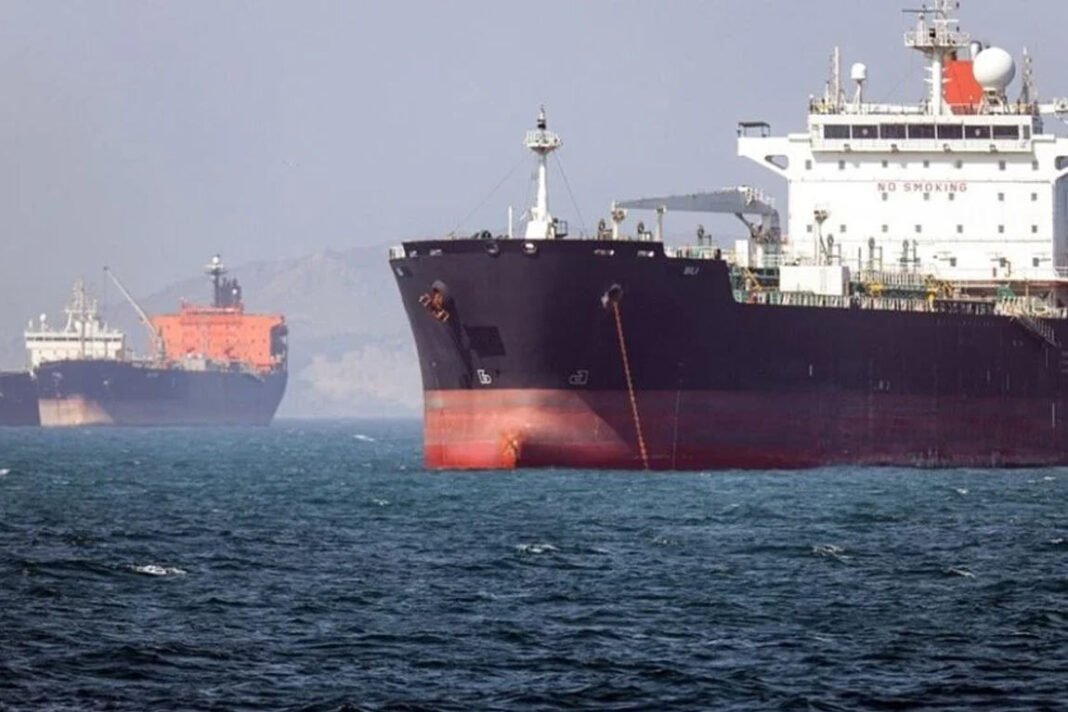
Iraq’s Hormuz oil exports face fresh challenges as Baghdad seeks safer passage for crude tankers. The State Organization for Marketing of Oil, known as SOMO, leads the effort. The organization is discussing shipping arrangements with companies from the United States and Germany.
A government source said SOMO wants tankers carrying Iraqi crude to sail under the Iraqi flag. One US shipping company rejected that condition during negotiations. The disagreement prevented Baghdad and the company from reaching a final arrangement.
A German shipping company reportedly accepted Iraq’s flag requirement. That agreement could provide Baghdad with another option for moving crude through the strategic waterway. The arrangement would cover shipments departing from Iraqi oil terminals.
Iraq also needs to coordinate with Iran before tankers can cross the Strait of Hormuz. According to the source, existing understandings could allow Iraqi shipments to cross without transit charges. Such an arrangement could reduce some costs for Iraq’s oil export operations.
However, Baghdad still faces another important hurdle involving the United States. Iraqi officials need Washington’s approval before completing the proposed transit arrangements. The issue has become more complicated because of US sanctions involving Iranian shipping and insurance networks.
Iraq’s Hormuz oil exports have faced mounting pressure as shipping risks continue to affect the market. Tanker operators now want higher freight payments for routes through the waterway. They also seek stronger insurance guarantees to cover potential risks during transit.
Those demands could raise the overall cost of transporting Iraqi crude. Higher expenses may add further pressure to Baghdad as it tries to maintain stable export flows. The government therefore needs a workable arrangement that satisfies several parties.
Prime Minister Ali Al-Zaidi previously ordered the Oil Ministry to resolve the export crisis quickly. The government source said officials could extend that deadline by another week. The additional time would allow negotiators to address shipping, insurance, and regulatory concerns.
The Strait of Hormuz remains vital for Iraq because much of its crude leaves through southern ports. Any disruption could create serious complications for export schedules and government revenues. Baghdad therefore continues seeking assurances that its tankers can pass safely.
Iraq’s Hormuz oil exports now depend on several overlapping negotiations. The outcome will likely hinge on shipping agreements, US authorization, Iranian coordination, and insurance guarantees. For Baghdad, securing reliable passage remains an urgent priority.