

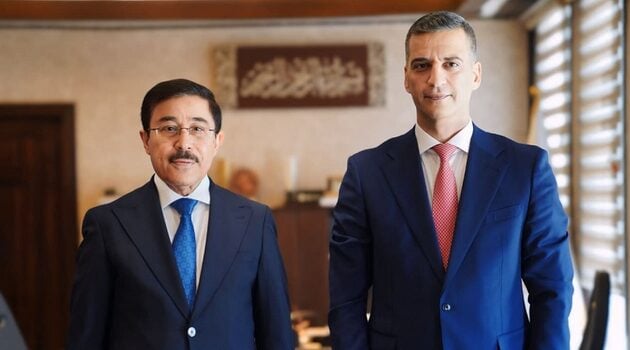
Iraq has officially appointed Nizar Hussein as the new head of the country’s central banking institution, marking an important step in ongoing financial reform efforts. The appointment comes as authorities continue working to modernize the banking sector and strengthen economic stability. Officials believe the transition will support broader plans to improve financial services and attract investment. The new Iraq Central Bank Governor takes office at a time when the country is pursuing major economic reforms.
Prime Minister Ali Al-Zaidi supervised the official handover ceremony in Baghdad, where Hussein formally assumed his responsibilities. He succeeds Ali Mohsen Al-Alaq, who led the Central Bank of Iraq for several years and played a key role in guiding financial policy during a period of significant change.
During the ceremony, Al-Zaidi highlighted the importance of maintaining momentum in banking reforms. He said a stronger financial sector remains essential for economic growth and long-term stability. The prime minister also stressed the need to create a business environment that encourages investment and supports private-sector development.
In addition, Al-Zaidi called for wider implementation of international banking standards across the country’s financial institutions. He emphasized that Iraqi banks must continue adapting to global practices while improving transparency and efficiency. Authorities view these measures as necessary for strengthening confidence in the financial system.
Digital transformation also featured prominently in the prime minister’s remarks. He urged banking institutions to accelerate modernization efforts and expand the use of digital technologies. Officials believe advanced financial services can improve customer access, increase efficiency, and support economic activity throughout the country.
Following the handover, Hussein toured several departments at the Central Bank headquarters alongside his predecessor. The visit provided an opportunity to review ongoing projects and discuss future priorities. The new Iraq Central Bank Governor emphasized the importance of continuity within the institution and pledged to build on existing achievements.
Hussein also highlighted the need to improve operational performance and maintain strong oversight across the banking sector. He noted that preserving monetary and financial stability would remain one of the institution’s primary responsibilities. These goals align with the government’s wider economic reform agenda.
Meanwhile, Al-Zaidi praised Al-Alaq’s contributions during his years as governor. He credited the former governor with supporting key initiatives that helped strengthen Iraq’s financial institutions and improve banking operations. The prime minister expressed confidence that Al-Alaq would continue contributing to economic policy in his new role as Advisor for Economic Affairs.
The leadership change arrives as Iraq intensifies efforts to modernize its financial sector. Policymakers aim to expand digital banking services, improve regulatory standards, and increase public confidence in financial institutions. The appointment of a new Iraq Central Bank Governor reflects the government’s commitment to advancing these objectives while supporting sustainable economic growth.