

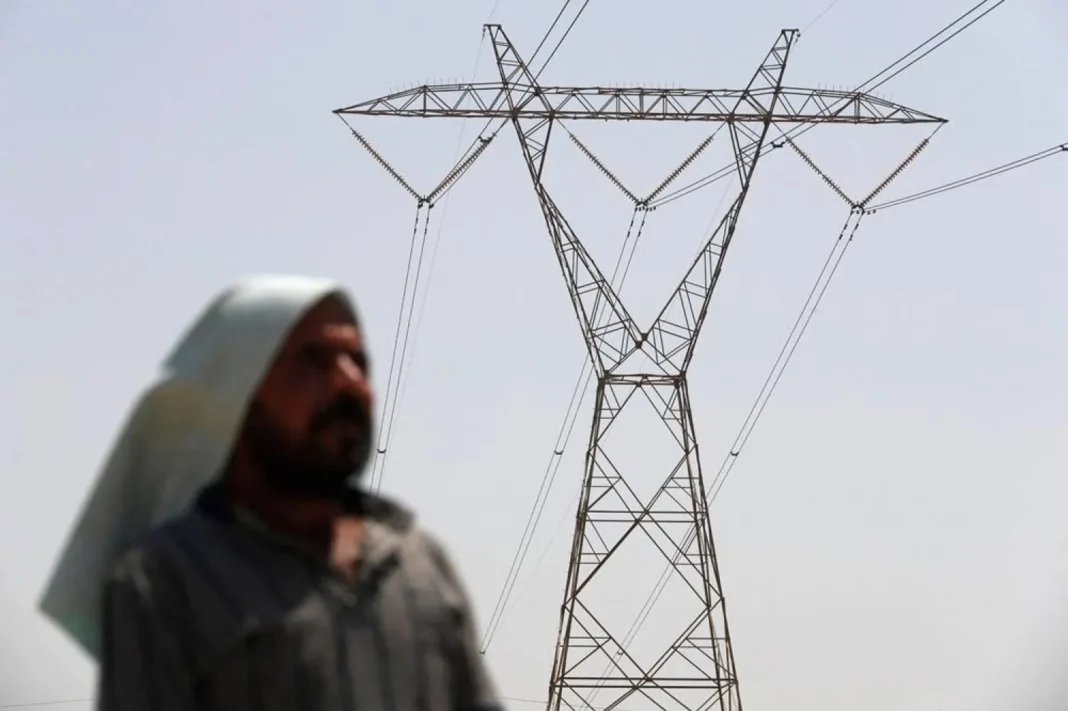
Iraq’s power sector faces growing pressure as temperatures rise and energy demand accelerates. Despite ongoing infrastructure projects, Iraq electricity generation currently stands at around 22,000 megawatts, far below expected summer consumption levels. Officials warn that supply shortages will continue to affect households and businesses across the country.
The Ministry of Electricity confirmed that national power production has reached approximately 22,000 megawatts. While this figure reflects ongoing efforts to improve the energy sector, it remains insufficient to meet growing demand. Iraq traditionally experiences its highest electricity consumption during the summer months when air conditioning use surges.
Earlier this year, the ministry announced plans to increase production capacity to 30,000 megawatts before the peak summer season. However, even if that target is achieved, it would still fall significantly short of projected demand. Government estimates suggest electricity needs could rise to between 50,000 and 55,000 megawatts during the hottest periods.
As a result, residents are expected to continue experiencing interruptions in electricity service. Existing power plants cannot currently generate enough energy to satisfy nationwide demand. Authorities expect fluctuations in supply hours and scheduled outages to remain necessary in many provinces.
Ahmed Musa, spokesperson for the Ministry of Electricity, said several projects aimed at expanding generating capacity remain under development. These initiatives seek to strengthen the national grid and reduce long-term shortages. However, most projects have not yet reached completion, limiting their immediate impact on electricity supplies.
A major challenge facing Iraq electricity generation remains the country’s dependence on imported Iranian gas. Many Iraqi power stations rely on these supplies to operate efficiently. Any reduction in gas deliveries directly affects electricity production across the national network.
Iran has periodically reduced gas exports due to maintenance work, technical issues, or financial disputes. These disruptions have repeatedly weakened Iraq’s electricity output. In recent months, regional tensions have further complicated energy supplies.
The Ministry of Electricity reported in April that the conflict involving Iran significantly affected gas deliveries to Iraq. Officials estimated that reduced supplies caused the loss of roughly 3,500 megawatts from the national grid. This decline placed additional strain on an already challenged electricity system.
Gas imports from Iran reportedly dropped to around five million cubic meters per day in early April. Previously, Iraq received about 19 million cubic meters daily. The reduction created a substantial gap because Iraq requires more than 30 million cubic meters each day to meet operational needs.
Despite possessing some of the world’s largest oil reserves, Iraq continues to struggle with chronic energy shortages. Expanding domestic gas production and completing infrastructure projects remain key priorities. Policymakers hope these efforts will strengthen Iraq electricity generation and improve energy security in the years ahead.