

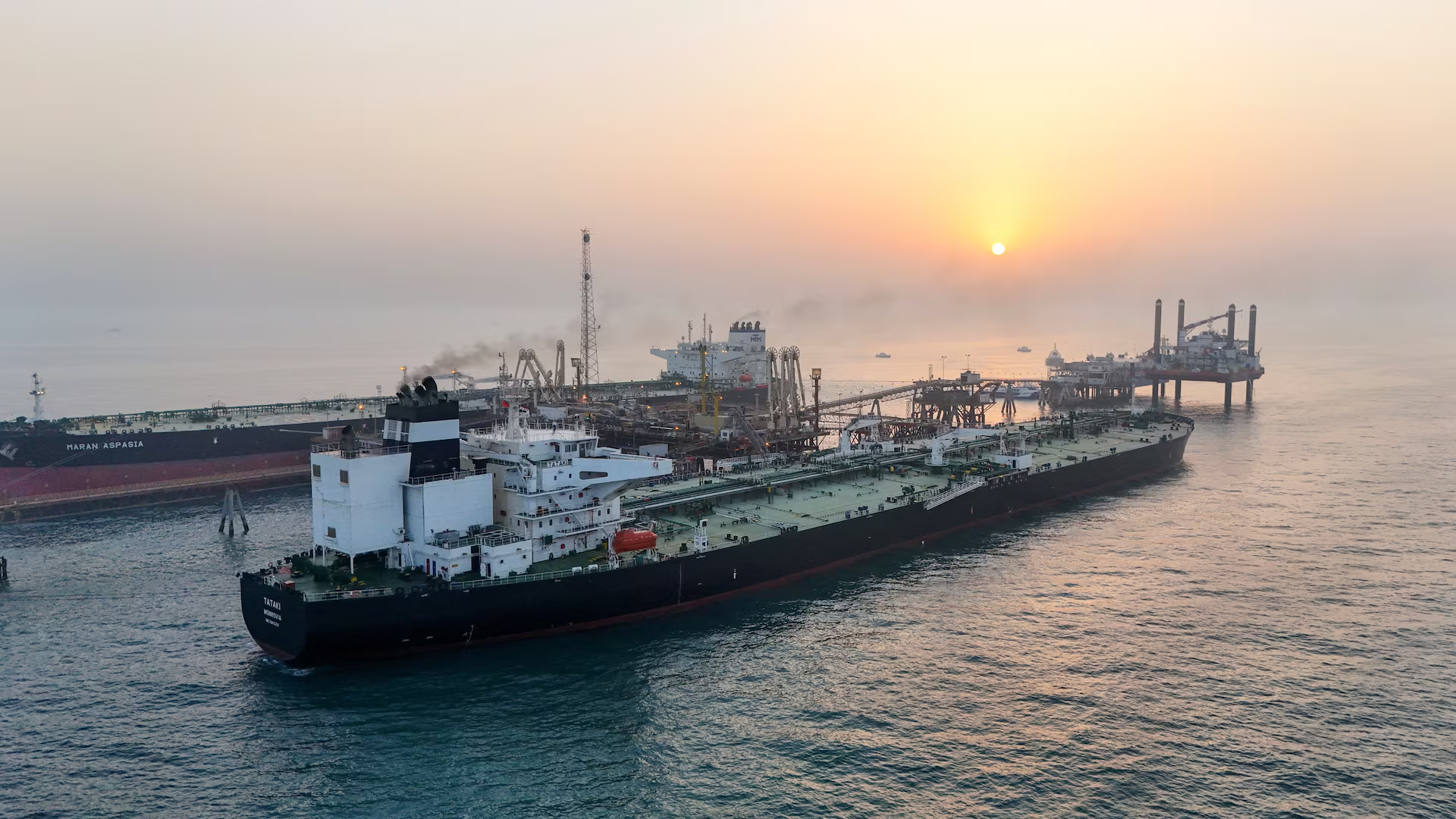
China sharply reduced its purchases of Iraqi crude oil in May, highlighting the growing impact of regional tensions and supply disruptions on global energy markets. The decline comes as oil traders and refiners navigate uncertainty caused by higher prices and restrictions affecting major shipping routes.
Recent data showed that China Iraqi oil imports fell dramatically during May. The decline reflects changing market conditions as energy buyers adjust their purchasing strategies in response to geopolitical developments and transportation challenges.
According to a Reuters analysis released on Monday, China imported approximately 60,000 barrels of oil per day from Iraq in May. This marks a significant drop compared with February, when imports reached around 790,000 barrels per day.
The figures point to a substantial reduction in Iraqi crude shipments to China, the world’s largest oil importer. Analysts say several factors contributed to the decline, including rising costs and difficulties affecting supply chains across the region.
At the same time, China’s overall seaborne crude imports also fell sharply. Total imports declined to 6.36 million barrels per day in May, compared with 8.10 million barrels per day in April. The latest figure represents the lowest monthly level recorded in nearly ten years.
Market observers attribute much of the slowdown to increased volatility in international energy markets. Escalating tensions in the Middle East have driven oil prices higher, making crude purchases more expensive for refiners and importers.
As prices increased, many Chinese refining companies adjusted their buying patterns. Refiners sought to limit costs by reducing purchases and reviewing supply options from different exporting countries.
Logistical challenges also played an important role. Disruptions affecting maritime transportation created obstacles for oil deliveries from several major producers. Iraq and Kuwait were among the countries experiencing reduced cargo availability during the period.
The closure and restrictions affecting key shipping routes added further pressure on global supply chains. Energy companies faced delays and uncertainty, forcing buyers to reconsider procurement plans and diversify sources where possible.
The decline in China Iraqi oil imports illustrates how geopolitical developments can quickly influence trade flows. Even temporary disruptions can alter purchasing decisions and affect export volumes for oil-producing nations.
Industry analysts believe China has several options to manage supply shortages. Authorities could increase imports from alternative suppliers, reduce refinery processing rates, or draw from strategic petroleum reserves to maintain domestic energy stability.
These measures would help offset supply disruptions while allowing refiners to adapt to changing market conditions. However, future decisions will likely depend on price trends and developments in regional security.
Despite the current downturn, analysts expect demand patterns to remain flexible. If transportation routes stabilize and prices ease, Chinese buyers may increase purchases again in the coming months.
For now, the sharp decline in China Iraqi oil imports underscores the challenges facing global energy markets. Ongoing geopolitical tensions, supply uncertainties, and higher costs continue to reshape trade flows and influence decisions by both exporters and importers worldwide.
Key Phrase:
SEO Title:
Meta Description:
Social Description:
China Iraqi oil imports fell sharply in May as higher oil prices, shipping disruptions, and regional tensions affected global energy trade and supply chains.
#IraqOil #China #EnergyMarkets #CrudeOil #GlobalTrade