

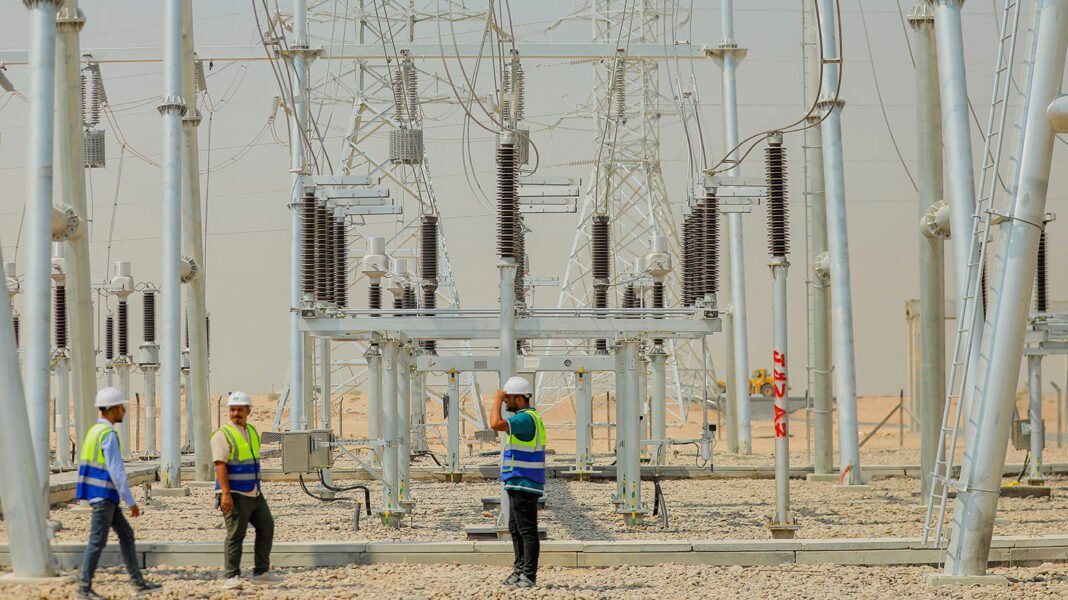
Iraq electricity supply could face new challenges after Iran reported a sharp decline in natural gas production following damage to key energy facilities during the recent conflict involving the United States and Israel. The development raises concerns about fuel availability for Iraqi power plants, particularly as the country prepares for peak summer demand.
A member of Iran’s parliamentary Energy Committee said the country has lost nearly one-third of its natural gas production capacity. The decline came after damage to several facilities in the Asaluyeh region.
The area is home to parts of the massive South Pars Gas Field, the world’s largest natural gas reserve. The damaged facilities play a key role in Iran’s energy production.
Iranian lawmaker Gholam Reza Dehghan Naserabadi said energy authorities have begun repair and reconstruction work at the affected sites. Officials aim to restore production levels as quickly as possible, but rehabilitation efforts remain underway.
The situation has drawn attention in Iraq because of the country’s continued dependence on imported Iranian gas. Iraqi power stations rely on these supplies to generate a significant share of the nation’s electricity. During periods of high consumption, imported gas supports between one-third and 40 percent of Iraq’s power generation capacity.
The potential impact comes at a sensitive time. Summer temperatures across Iraq frequently approach 50 degrees Celsius, driving electricity demand to some of the highest levels of the year. Any disruption in fuel supplies could place additional strain on the national grid and affect power availability in several provinces.
Previous interruptions have already demonstrated the vulnerability of the system. Earlier this year, officials reported that reduced Iranian gas flows led to the loss of more than 3,000 megawatts from Iraq’s electricity network. Although deliveries later resumed, imported volumes remained below agreed levels.
As a result, concerns about Iraq electricity supply have intensified following reports of reduced gas production in Iran. Energy experts note that any prolonged decline could complicate efforts to maintain stable electricity generation during the summer season.
In response, Baghdad has accelerated plans to strengthen domestic energy production. Government agencies continue investing in projects designed to capture and process associated gas from Iraq’s oil fields. Officials view these initiatives as essential steps toward reducing dependence on imported fuel.
The government has also emphasized long-term energy diversification. Authorities aim to expand local gas production, improve infrastructure, and increase generation capacity across the country. However, experts acknowledge that achieving full energy independence remains a complex process that will require substantial investment and time.
Last month, Electricity Minister Ali Saadi Wahib reaffirmed the government’s commitment to addressing chronic power shortages. He pledged to pursue practical measures that improve electricity generation and reduce supply disruptions.
For now, developments in Iran’s energy sector remain a closely watched issue in Baghdad. Any further decline in gas production could create additional challenges for Iraq electricity supply, especially during the hottest months of the year.
With reconstruction efforts continuing in Iran and domestic energy projects advancing in Iraq, policymakers are working to minimize risks and strengthen the resilience of the country’s power sector. The future stability of Iraq electricity supply will likely depend on both regional energy conditions and the success of ongoing local reforms.