

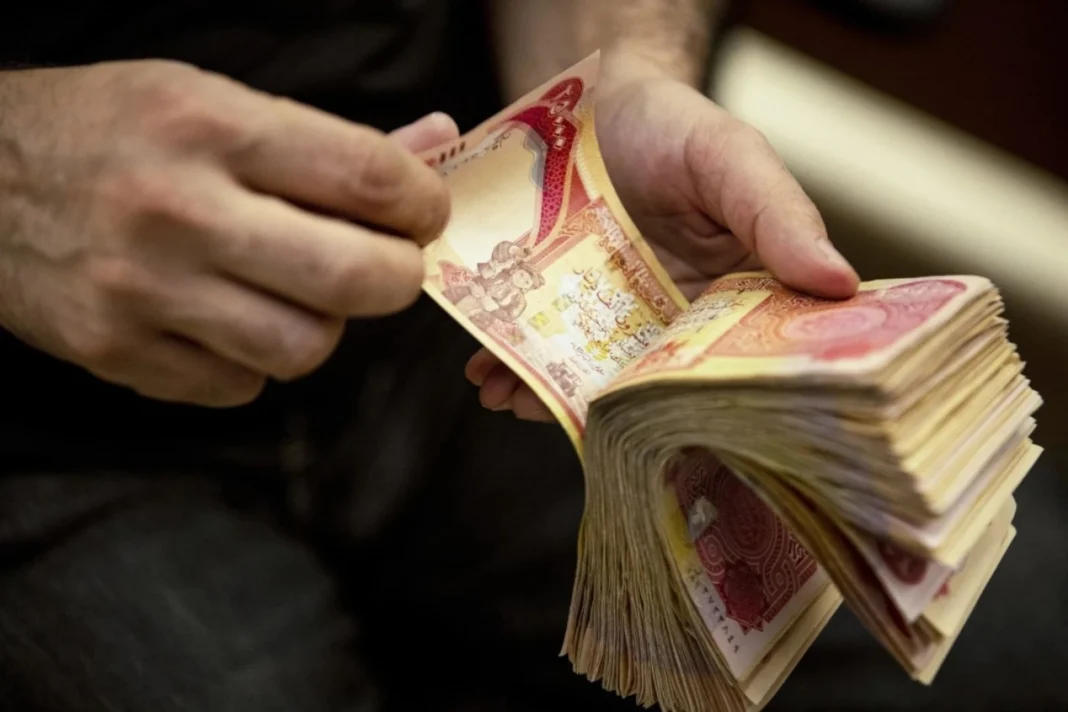
Baghdad – Iraq foreign currency reserves recorded a noticeable decline as falling oil revenues continued to pressure the country’s financial position. New figures released by the Central Bank of Iraq showed reserves dropped sharply during the final week of April amid growing concerns over regional instability and disrupted energy exports.
According to official financial indicators, Iraq foreign currency reserves fell from 125.61 trillion Iraqi dinars, equal to nearly $95.7 billion, on April 23 to around 123.26 trillion dinars, or $93.9 billion, by the end of the month. The decline marked a loss of approximately 2.34 trillion dinars, nearly $1.8 billion, within a single week.
Economists linked the downturn to weaker oil export revenues. Iraq depends heavily on crude sales to support public spending and maintain economic stability. As oil shipments slowed across the region, government income also faced increasing pressure.
Regional tensions have continued to disrupt global energy markets in recent months. Security concerns surrounding shipping routes and oil infrastructure created uncertainty for major exporters, including Iraq. Analysts believe prolonged instability could further reduce export levels if conditions worsen.
Iraqi Oil Minister Basim Khudair warned that unrest in the Middle East threatens the movement of energy supplies through the strategically important Strait of Hormuz. During a recent press conference, he explained that Iraq exported only 10 million barrels of oil through the waterway in April.
That figure represented a steep decline compared to export levels before the regional conflict intensified earlier this year. Prior to the escalation on February 28 involving the United States, Israel, and Iran, Iraq exported nearly 93 million barrels during the previous month.
Financial experts continue monitoring Iraq foreign currency reserves because they play a major role in protecting the country’s monetary stability. Strong reserves help governments stabilize exchange rates, finance imports, and respond to economic emergencies. However, declining reserves may increase financial risks if oil income remains weak for an extended period.
Some analysts also warned that continued pressure on reserves could affect Iraq’s broader economic outlook. Public projects, infrastructure spending, and salary payments rely largely on oil-generated income. Any prolonged disruption in exports may force authorities to reconsider budget priorities.
Meanwhile, the Central Bank of Iraq has not announced new measures to address the decline. Economic observers expect officials to closely monitor both oil prices and regional security developments in the coming weeks. Iraq foreign currency reserves will likely remain under pressure unless oil exports recover and regional tensions ease.