

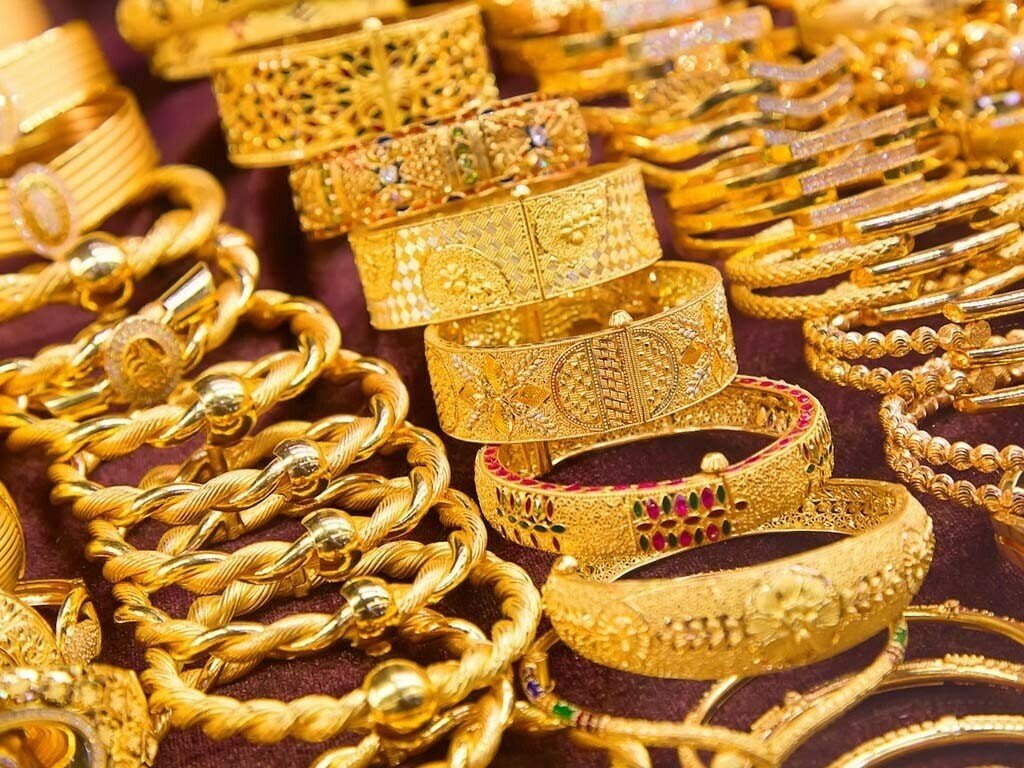
Iraq continues to show Iraq gold market stability as prices hold steady in Baghdad and Erbil. Traders follow every small movement, yet the numbers stay firm across most shops. Buyers walk through the markets with curiosity, and sellers welcome customers with clear updates. Moreover, the steady rates increase confidence, and they encourage more activity in both cities. Because of this, Iraq gold market stability supports strong demand among shoppers.
In Baghdad, gold shops on Al-Nahr Street report stable prices for several popular types. 21-carat gold sells for 810,000 IQD per mithqal, and buyers pay 806,000 IQD when they sell back. These numbers cover Gulf, Turkish, and European varieties. Iraqi 21-carat gold also keeps a stable rate, and the selling price stands at 780,000 IQD. Buyers receive 776,000 IQD when they return pieces. Furthermore, shops across the city repeat these prices, and customers trust the unified rates.
Jewelry stores in Baghdad offer small differences based on design and craftsmanship. Gulf 21-carat gold sells between 810,000 and 820,000 IQD, and this range stays common. Iraqi 21-carat pieces sell between 780,000 and 790,000 IQD. Shoppers explore every display case, and they compare weight and shine carefully. Sellers explain each detail, and they highlight purity, style, and durability. These clear explanations strengthen trust, and they support Iraq gold market stability during busy hours.
In Erbil, the market also shows steady values for several purities. 22-carat gold sells for 860,000 IQD per mithqal, and many shoppers prefer this high purity. 21-carat gold sells for 820,000 IQD, and it remains one of the strongest choices. 18-carat gold sells for 703,000 IQD, and younger buyers often choose this option. Customers in Erbil explore modern styles, and many look for affordable gifts. Additionally, sellers report strong movement during peak shopping times.
Both Baghdad and Erbil markets show similar buying behavior. Families visit shops before celebrations, and many customers buy gold as savings. Traders follow global prices, and they adjust local rates based on international trends. Iraq continues to link its pricing methods to major world markets, and this link increases accuracy. Because of this connection, Iraq gold market stability reflects global patterns and local demand.
Market experts expect steady movement in the coming weeks. They see strong interest from buyers, and they note stable supply. These factors encourage further confidence, and they support healthy trading in both cities. Iraq continues to treat gold as a safe asset, and many citizens choose it for long-term security.