

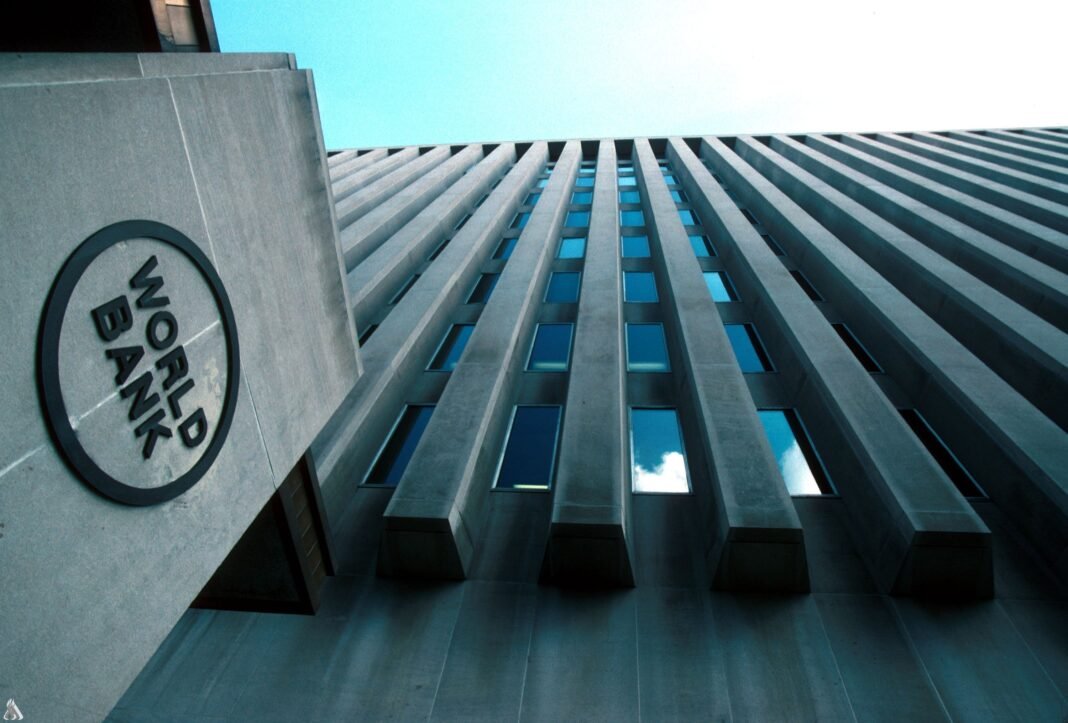
The World Bank has renewed its support for Iraq’s efforts to modernize its economy and strengthen public finances. The commitment comes as Baghdad continues to pursue a broad Iraq economic reforms program aimed at improving financial management, diversifying revenue sources, and promoting sustainable growth.
The announcement followed a meeting between Iraqi Finance Minister Faleh Sari and senior World Bank officials. The delegation included Jean-Christophe Carret, Director of the World Bank’s Middle East Department, and Country Manager Emanuel Salinas Munoz. Discussions focused on expanding cooperation and supporting Iraq’s ongoing reform priorities.
During the meeting, World Bank representatives emphasized their commitment to assisting Iraq through technical expertise and advisory services. Officials highlighted the importance of strengthening financial stability while creating conditions for long-term economic development. The bank also expressed its readiness to continue working closely with Iraqi institutions as reform efforts advance.
A major topic of discussion involved cooperation on Iraq’s upcoming general budget. The World Bank is expected to provide technical and advisory support to help government agencies improve financial planning and resource allocation. Officials believe this assistance can strengthen decision-making and ensure more efficient use of public funds.
The talks also addressed ways to improve expenditure management and identify spending priorities. Policymakers aim to enhance fiscal sustainability while responding to changing economic conditions. These measures form a key part of the broader Iraq economic reforms strategy designed to reduce financial vulnerabilities and improve government performance.
Finance Minister Faleh Sari outlined several priorities for the Ministry of Finance. He said the government seeks to introduce reforms that improve financial administration and increase non-oil revenues. Iraq also plans to modernize banking operations, upgrade tax systems, and improve customs procedures to support economic growth.
For decades, Iraq’s economy has relied heavily on oil income. Government officials increasingly recognize the need to diversify revenue streams and strengthen institutions capable of supporting sustainable development. As a result, reform programs have gained greater attention across multiple sectors.
Sari noted that Iraq intends to benefit from the World Bank’s experience in financial policy development and institutional capacity building. The government also seeks support in development planning and investment promotion. Officials view these areas as essential for attracting capital and creating new economic opportunities.
The renewed partnership reflects continued cooperation between Iraq and the World Bank as both sides work toward stronger economic foundations. Support for Iraq economic reforms could help improve public sector efficiency, strengthen financial resilience, and encourage greater private-sector participation in the years ahead.