

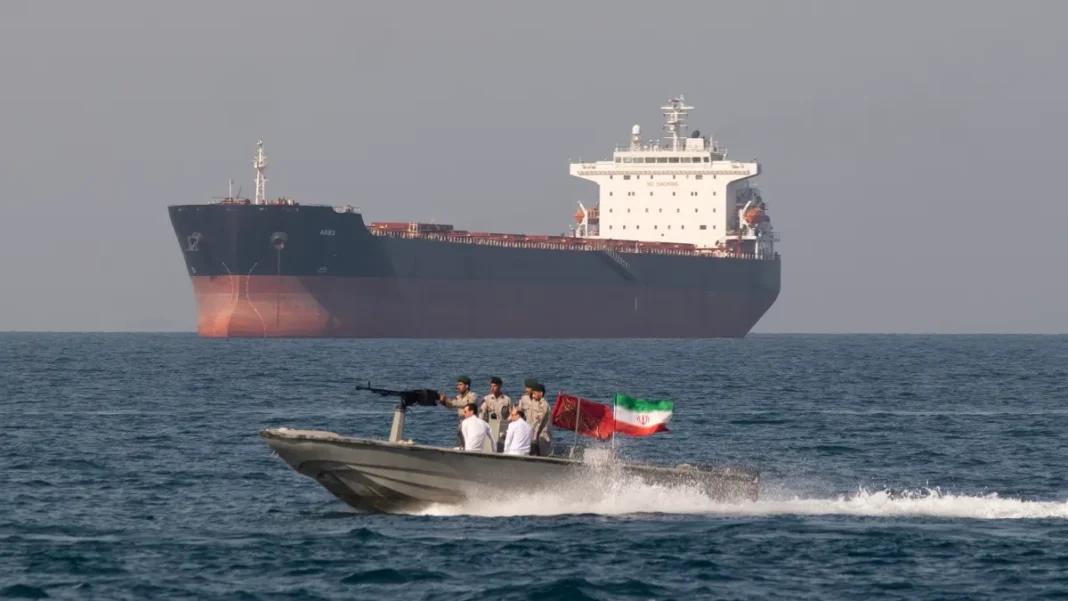
The Strait of Hormuz closure pushed global oil prices higher on Thursday as tensions between Iran and the United States intensified. Energy traders reacted quickly to new developments in the Gulf region, where military actions and political threats raised concerns about future supply disruptions. The latest escalation added fresh uncertainty to global energy markets already struggling with limited supply.
Brent crude futures gained $1.48 and reached $94.58 per barrel during early trading. At the same time, U.S. West Texas Intermediate crude rose $1.71 to $91.74 per barrel. Earlier in the session, U.S. crude prices climbed by more than $3 as investors responded to the growing crisis.
Iran’s senior military leadership announced that shipping traffic would no longer pass through the strategic waterway. Officials warned that any vessel attempting to enter the area could face military action. The announcement immediately increased fears about energy transportation throughout the region.
The Strait of Hormuz serves as one of the world’s most important energy routes. A significant portion of global oil and natural gas exports normally moves through this narrow passage. As a result, any disruption there can quickly influence international energy prices.
Market analysts said the latest developments suggest that diplomatic progress remains distant. Many traders now expect energy exports from the Persian Gulf to remain restricted for an extended period. Those concerns helped fuel another wave of buying in crude oil markets.
Meanwhile, the U.S. military reported that commercial vessels continued moving through parts of the waterway on Wednesday. Military officials also rejected reports that Iranian forces had successfully targeted American naval ships operating near the strait. Conflicting statements from both sides added to the uncertainty surrounding the situation.
The crisis deepened after U.S. forces launched additional strikes against several targets inside Iran. Military operations reportedly began late Wednesday and marked another stage in the ongoing confrontation. The exchange of attacks threatens to undo a fragile ceasefire that temporarily reduced hostilities earlier this year.
President Donald Trump also delivered a strong warning to Iranian leaders. He stated that military operations could continue unless Iran agrees to a deal with Washington. His comments increased speculation that the conflict could expand further in the coming weeks.
The Strait of Hormuz closure has already affected energy supplies for months. Reduced shipping activity through the region has kept oil markets under pressure and supported higher prices. Many importers remain concerned about securing stable supplies if disruptions continue.
Supply concerns received additional support from new U.S. inventory data. According to government figures, crude oil stockpiles fell by 7.2 million barrels during the week ending June 5. Analysts had expected a smaller decline, making the drawdown more significant for traders.
Since the conflict began in late February, total U.S. crude inventories have declined sharply. Authorities have relied on domestic production and reserves to help offset disruptions caused by reduced Gulf exports. Those efforts have helped limit shortages but have not eased market concerns completely.
At the same time, OPEC production continued to weaken. A recent industry survey showed output reached its lowest level in more than twenty years during May. Export restrictions, regional instability, and shipping disruptions all contributed to the decline.
The ongoing Strait of Hormuz closure remains one of the most important factors shaping energy markets today. Investors continue to monitor military developments closely. Until tensions ease, oil prices are likely to remain highly sensitive to events across the Gulf region.