

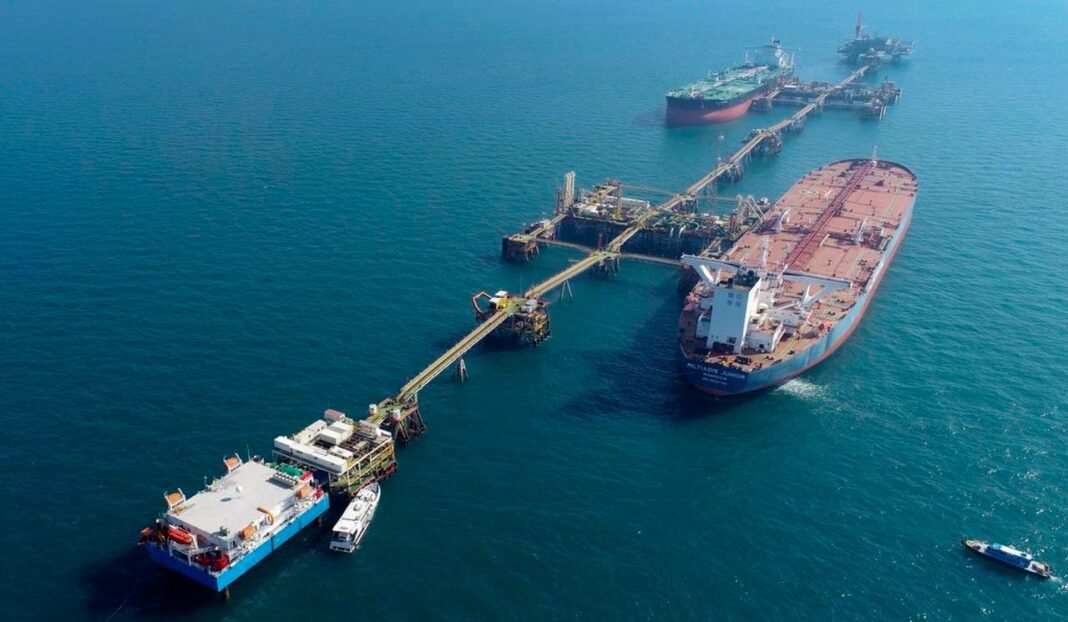
Iraq oil exports to US continued dropping for the second week, creating a sharper fall in supplies. This trend highlights new changes in global energy flows. As a result, traders and analysts follow Iraq’s position closely while international demand continues to rise.
Iraq oil exports to US slipped to 123,000 barrels per day. A week earlier, shipments stood at 231,000 barrels per day. The decrease of 108,000 barrels signals a steep reduction in available supply. Energy observers describe this as a warning sign of tighter global conditions.
Meanwhile, total US crude imports from ten major suppliers also declined. Shipments fell to 5.068 million barrels per day, compared with 5.566 million barrels the week before. The gap of nearly half a million barrels demonstrates the fragile balance of global oil trade.
Canada maintained its lead as the largest supplier with 3.280 million barrels per day. Mexico secured second place with 493,000 barrels, while Brazil shipped 283,000 barrels. Colombia also added 212,000 barrels to US markets. These countries remain crucial players in supporting America’s energy needs during uncertain times.
Nigeria followed with 210,000 barrels, and Saudi Arabia supplied 178,000 barrels. Ecuador contributed 101,000 barrels, while Venezuela provided 99,000 barrels. Libya completed the list with 89,000 barrels. Together, this network of suppliers allows the US to balance its energy requirements even when one exporter reduces output.
Energy analysts warn that Iraq’s reduced shipments could put pressure on the balance of supply in the coming months. They stress that Iraq must sustain consistent exports to maintain its reputation in global markets. Unstable flows can undermine confidence and create further challenges for both buyers and producers.
With global demand rising quickly, every movement in Iraq oil exports to US carries wider consequences. The decline affects pricing, trade flows, and energy security. Therefore, both importers and exporters must plan ahead to handle possible disruptions. The ability of Iraq to restore stable supplies will remain critical to market stability.