

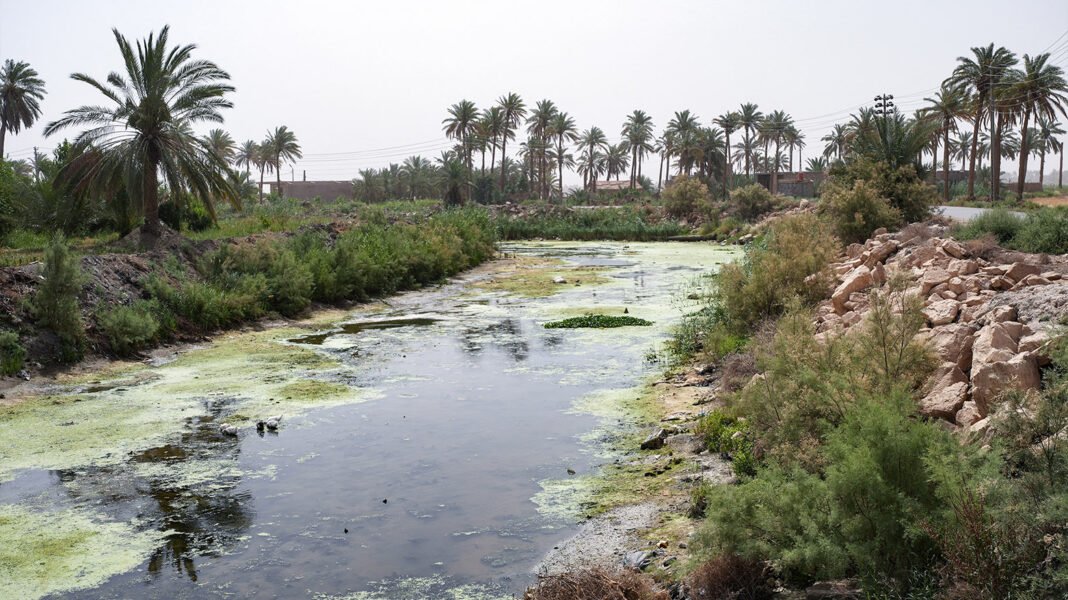
Iraq water crisis has reached a dangerous stage, with the country’s reserves dropping to their lowest levels in 80 years. A sharp drop in winter rainfall has left Iraq with only 10 billion cubic meters of water instead of the 18 billion needed to start the summer season. This decline threatens farms, cities, and industries across the country.
Additionally, Khaled Shamal, spokesperson for the Ministry of Water Resources, confirmed that Iraq’s current reserves are just half of what they were last year. He noted that Iraq has not experienced such low reserves in eight decades. This alarming drop is caused by climate change, reduced rainfall, and less snowmelt, along with declining flows from the Tigris and Euphrates rivers.
Therefore, the Tigris and Euphrates rivers, which have supported Iraqi civilization for thousands of years, are now facing reduced flow. Upstream dams in Turkey and Iran have worsened the situation. Iraq accuses both countries of lowering water flows that are essential for its survival. Iraq’s growing population of 46 million now faces water shortages that impact drinking water, farming, and economic activity.
Farmers across Iraq have abandoned their land due to the lack of water and rising temperatures affecting crop sustainability. To protect drinking supplies, the government reduced the area of farmland allowed for planting this year. Only 1.5 million dunams (375,000 hectares) of green and productive land will be cultivated. This is a major cut from the 2.5 million dunams planted last year with corn, rice, and orchards.
To improve long-term cooperation, Iraq and Turkey signed a 10-year “framework agreement” in 2024. The deal aims to increase investment in joint water projects and promote smarter water use across border regions. However, experts warn that Iraq must improve water management quickly to address the worsening Iraq water crisis and prevent deeper instability.