
Iraq’s ongoing anti-corruption reforms in Iraq are helping strengthen the rule of law and support long-term economic growth, according to a senior government adviser. Officials believe the latest measures target the root causes of corruption and create a stronger foundation for sustainable development.
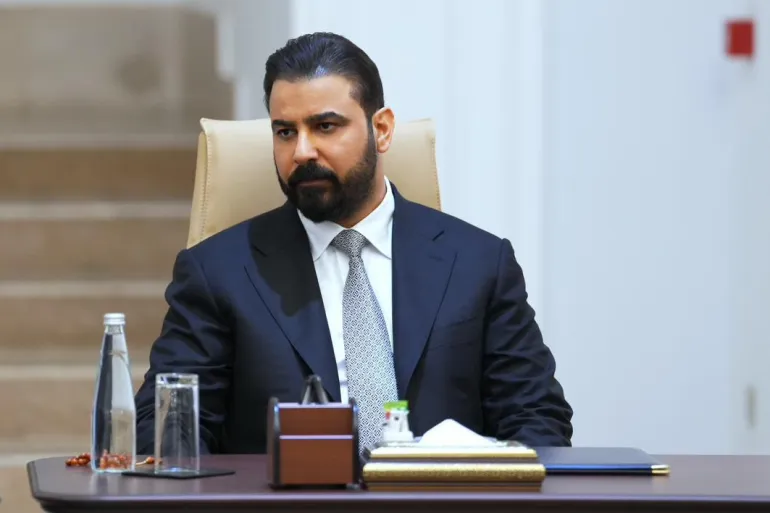
Mazhar Mohammed Salih, financial adviser to the Prime Minister, said the government’s strategy focuses on confronting large-scale and organized corruption. He explained that the approach relies on stronger cooperation between regulatory bodies, law enforcement agencies, and judicial institutions. The goal is to improve accountability and ensure more effective enforcement of anti-corruption laws.
According to Salih, recent initiatives introduced by Prime Minister Ali Al-Zaidi seek to create a more coordinated system for detecting and prosecuting major corruption cases. Authorities aim to strengthen legal mechanisms that allow oversight agencies and courts to work together more efficiently. This cooperation is expected to improve the government’s ability to identify and dismantle corruption networks.
Salih noted that regulatory and judicial institutions have already begun working more closely. He said this cooperation has created a more dynamic environment for addressing organized corruption. The government hopes these efforts will weaken the networks and interests that allow corrupt practices to continue.
He emphasized that the current strategy differs from traditional anti-corruption campaigns. Previous efforts often focused on individual financial or administrative violations. The new approach instead targets the structures and systems that enable corruption to survive and expand. Officials believe addressing these deeper issues can produce more lasting results.
The government adviser also highlighted the economic benefits of the reforms. He said successful implementation would improve the management of public resources and reduce financial waste. Better oversight could also limit revenue losses and increase the efficiency of government spending.
In addition, stronger governance may encourage greater confidence among investors. Salih explained that both domestic and international businesses closely monitor transparency and legal stability when making investment decisions. As a result, effective anti-corruption reforms in Iraq could help attract new investments and stimulate economic activity.
The reforms may also improve the allocation of public resources. Officials expect better financial management to enhance the quality of government services and increase the state’s ability to generate non-oil revenues. These outcomes support broader efforts to diversify the economy and reduce dependence on oil income.
Salih stated that anti-corruption measures play a critical role in achieving financial sustainability. By improving accountability and reducing inefficiencies, the government can strengthen its capacity to fund development projects and public services. This process may also create a more stable environment for long-term economic planning.
Looking ahead, Salih described the fight against organized corruption as a key requirement for successful economic reform. He said reducing corruption can lower business costs, improve competitiveness, and strengthen the investment climate. These improvements can contribute to higher economic growth rates and increased private-sector activity.
He added that stronger economic performance can create new employment opportunities and raise living standards. Greater transparency can also support business expansion and encourage sustainable development across different sectors. For these reasons, officials view anti-corruption reforms in Iraq as an important pillar of the country’s future economic strategy.