

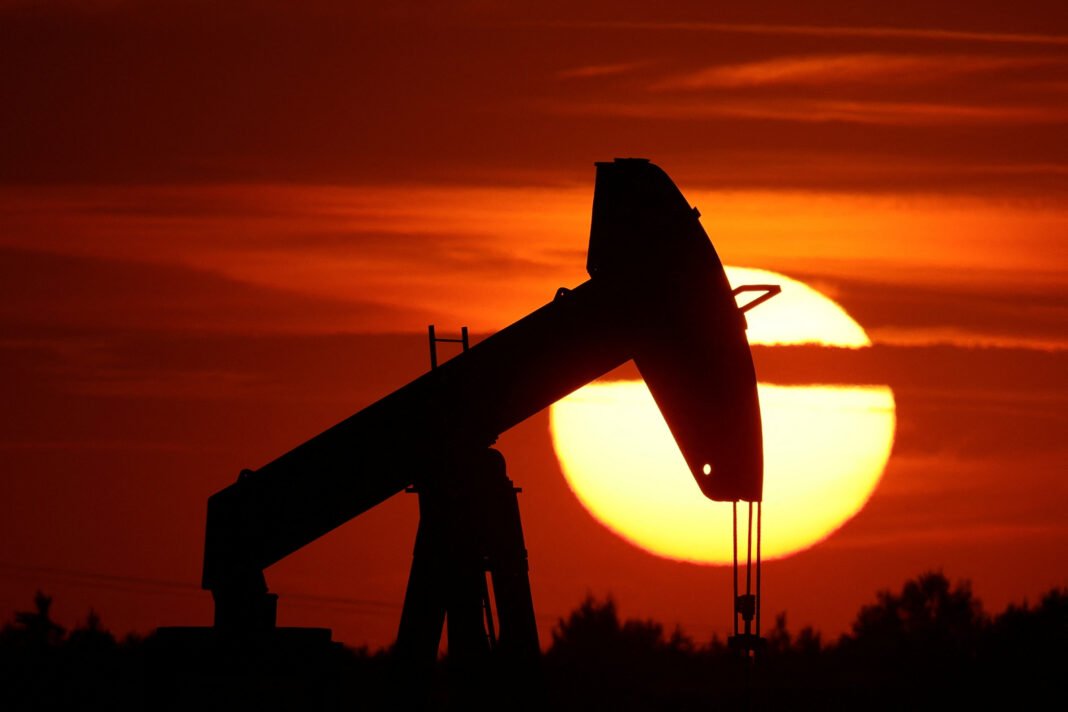
Oil prices surged above $100 as tensions between the United States and Iran intensified. The market reacted quickly as talks stalled and uncertainty grew. As a result, traders rushed to secure supplies. This shift pushed prices higher across global markets. The phrase Oil Surge 100 now defines the current trend.
Brent crude climbed by $1.37, reaching $103.28 per barrel. Meanwhile, U.S. West Texas Intermediate rose by $1.52 to $94.48. Both benchmarks gained more than $3 in the previous session. Therefore, markets showed strong momentum. Analysts linked this rise to supply concerns and political risks.
At the same time, disruptions in the Strait of Hormuz added pressure. This route once carried about 20% of the global oil supply daily. However, restrictions now limit vessel movement. Consequently, shipping risks increased, and supply chains tightened. Iran also seized two vessels, which raised further alarm.
In response, the United States increased naval activity in key waters. It also intercepted at least three Iranian tankers near Asia. These actions redirected ships away from key routes near India, Malaysia, and Sri Lanka. Therefore, the market reacted with caution and higher prices.
Meanwhile, political signals remained mixed. Although leaders extended a ceasefire, they did not ease trade restrictions. Iran insisted on lifting the blockade before any full agreement. As a result, negotiations showed no progress. This situation continues to support the Oil Surge 100 trend.
On the supply side, U.S. exports reached a new record. Total shipments rose by 137,000 barrels per day. This increase pushed exports to 12.88 million barrels per day. Asian and European buyers increased purchases to offset disruptions.
Inventory data also influenced the market. Crude stocks rose by 1.9 million barrels. However, gasoline stocks dropped by 4.6 million barrels. Distillate inventories also declined by 3.4 million barrels. These figures signaled strong fuel demand despite rising crude supply.
Overall, market volatility remains high. Traders continue to monitor geopolitical risks and supply disruptions. The ongoing Oil Surge 100 reflects uncertainty and tight global supply conditions.