

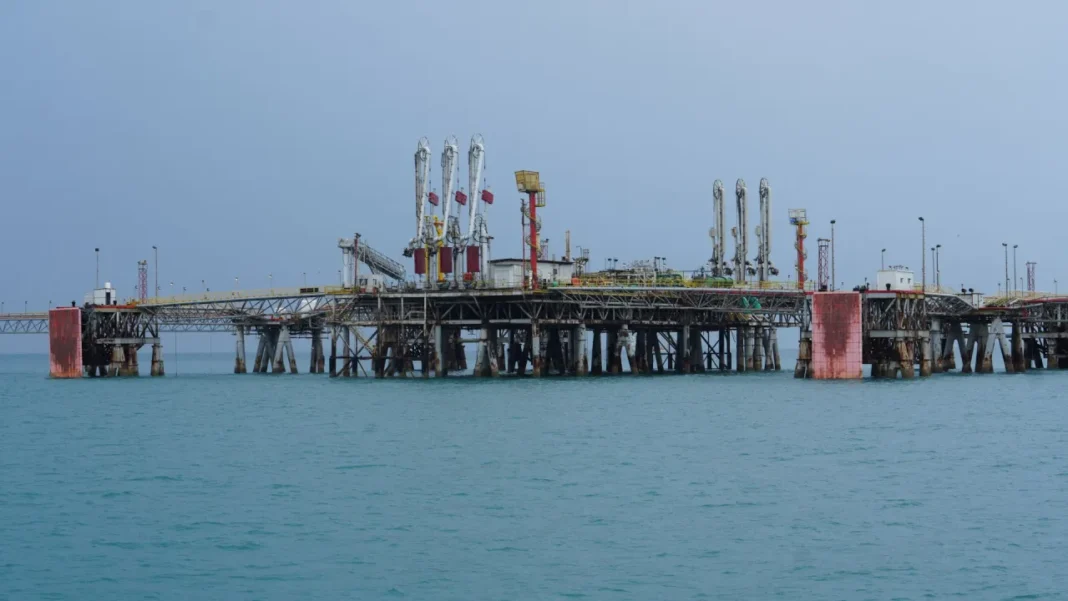
Oil prices climbed above $91 on Tuesday as renewed US-Iran fighting rattled energy markets. Traders grew increasingly concerned about possible disruptions across the Middle East. The latest attacks also revived worries about shipping through the Strait of Hormuz.
Brent crude futures gained $1.05, or 1.2%, reaching $91.54 per barrel by 0455 GMT. US West Texas Intermediate crude rose $1.27, or 1.5%, to $87.03. Both benchmarks posted strong gains during the previous trading session.
Brent settled 2.7% higher on Monday after reaching its strongest level since August 25. WTI also advanced 2.8% and briefly hit its highest price since August 21. The renewed momentum reflects growing concerns about regional supply and transport risks.
US President Donald Trump warned Monday that additional strikes against Iran could follow. The warning came after both sides exchanged direct attacks for the first time in about a month. The developments have increased uncertainty around the conflict and its potential economic consequences.
Market analysts said the latest escalation could expose Gulf energy infrastructure to fresh risks. It could also create additional challenges for vessels moving through the Strait of Hormuz. Those concerns have already started influencing crude prices.
Shipping activity through the strategic waterway remains significantly below normal levels. Kpler data showed only five visible commodity vessels crossed the strait on Monday. That figure stood well below the recent 10-day average of roughly 14 vessels.
The situation adds pressure to efforts aimed at restoring normal maritime traffic. Qatar and Oman have attempted to mediate a deal involving the reopening of the waterway. However, those diplomatic efforts have yet to produce a breakthrough.
The Strait of Hormuz remains crucial to global energy markets. Before the conflict began, the waterway carried roughly one-fifth of worldwide oil supplies. Iran closed the route after US and Israeli attacks on February 28.
Oil prices could face additional upward pressure if shipping disruptions continue. The UK Maritime Trade Operations agency reported Tuesday that a tanker faced three projectile strikes while leaving the strait. Authorities reported no casualties or environmental damage from the incident.
Analysts at ANZ said oil flows through Hormuz remain far below pre-conflict levels. Satellite tracking estimates currently place those flows near six million barrels per day. Meanwhile, global markets face diminishing supply buffers.
US oil inventories are also approaching historically low levels, adding another concern for traders. China may also increase