

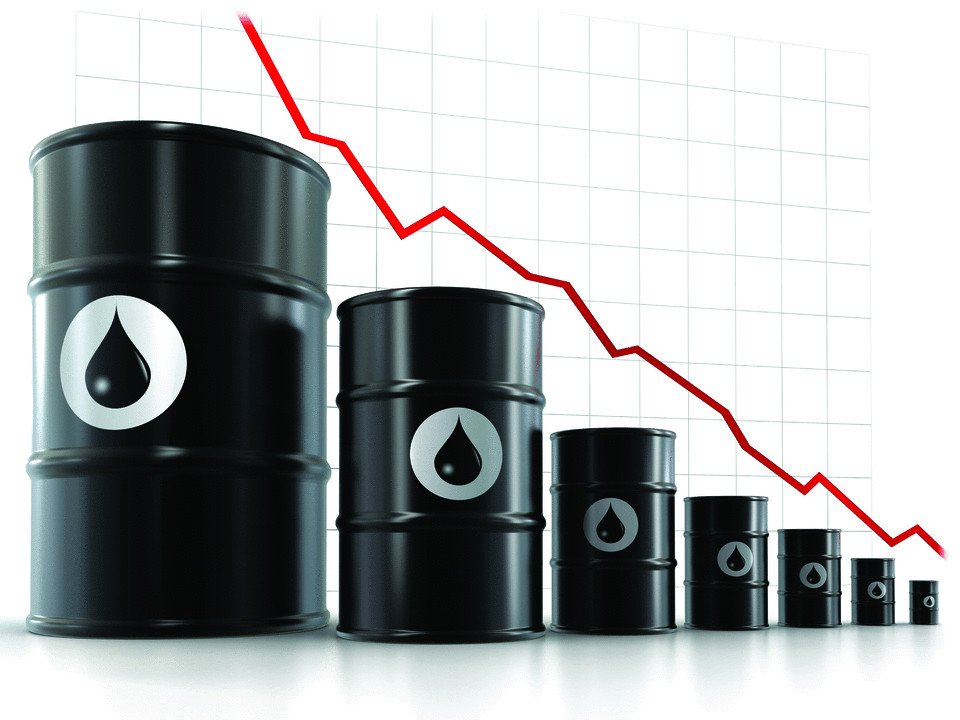
Oil prices moved lower on Thursday as traders reacted to a new U.S.-Iran oil agreement that could reshape global energy markets. The development sparked fresh expectations of higher crude supplies and reduced concerns about disruptions in the Middle East. Investors quickly adjusted their outlook, sending benchmark oil prices sharply lower during early trading.
Brent crude fell to around $77.4 per barrel, down more than $2 on the day, while U.S. West Texas Intermediate (WTI) dropped to approximately $74.4 per barrel. The decline extended a downward trend that began after details of the U.S.-Iran oil agreement emerged. Market participants believe the deal could bring additional Iranian oil back into international markets sooner than expected.
The agreement establishes a 60-day negotiation period between Washington and Tehran. During that time, Iran has agreed to allow unrestricted passage through the Strait of Hormuz. The strategic waterway serves as one of the world’s most important routes for oil and natural gas shipments. Officials aim to restore normal shipping activity across the strait within the next month.
Energy analysts say traders have aggressively priced in the possibility of increased exports from Iran. As a result, many investors have reduced positions that previously reflected fears of supply shortages. The prospect of additional barrels entering global markets has improved the overall supply outlook.
Despite the recent decline, some experts remain cautious about predicting a deeper fall in prices. They note that supply conditions may stay relatively tight in the short term. Several oil cargoes already moved through alternative routes during the conflict period. In addition, some shipping companies may hesitate before fully returning vessels to the region.
Concerns also remain about the long-term stability of the agreement. Any setback during negotiations could quickly change market sentiment. Traders continue to monitor political developments closely, knowing that tensions in the region can influence oil prices within hours.
Industry consultants suggest global demand may still grow faster than available supplies over the coming months. If that happens, prices could find support despite the expected return of Iranian exports. Strong consumption from major economies continues to play an important role in balancing the market.
Meanwhile, the International Energy Agency warned that the situation could look very different next year. The organization expects oil supply growth to exceed demand growth if Middle Eastern production returns at full strength. Such a scenario could create a significant surplus in 2027 and place additional pressure on prices.
Another factor affecting sentiment comes from U.S. monetary policy. Investors increasingly expect the Federal Reserve to consider higher interest rates later this year. Higher borrowing costs often slow economic activity and reduce fuel consumption. That possibility has added another layer of pressure to the energy market.
Recent projections from Federal Reserve officials revealed a shift in expectations. Several policymakers now believe another rate increase may become necessary to contain inflation. Their outlook contrasts with earlier forecasts that showed little support for additional tightening.
For now, the U.S.-Iran oil agreement remains the dominant force shaping oil market expectations. Traders will watch negotiations, shipping activity, and supply data closely in the weeks ahead. The outcome could determine whether oil prices stabilize or continue their recent decline.