

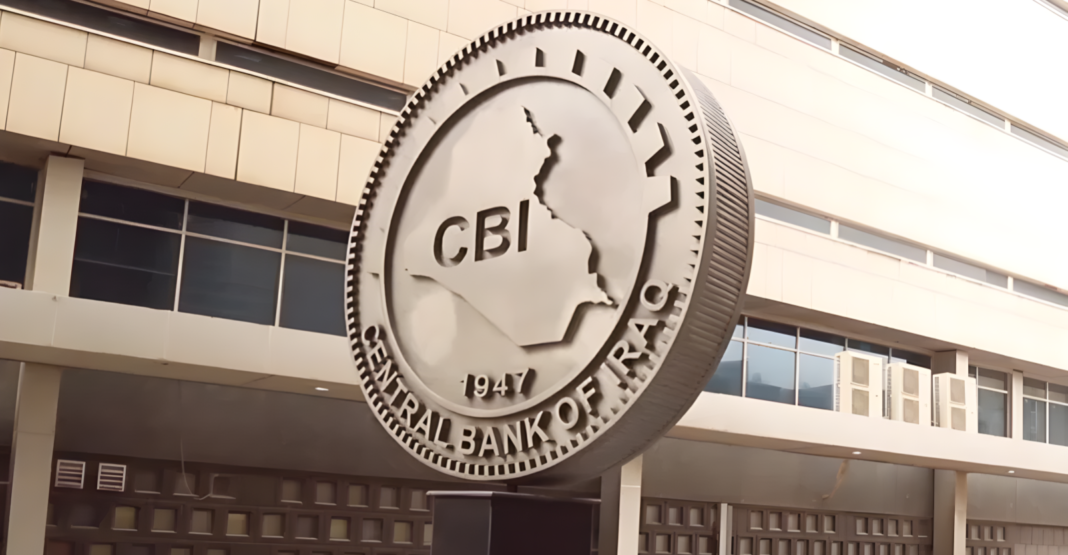
Iraq foreign reserves recorded another decline during the final week of May, according to new figures released by the country’s central bank. The latest data showed a noticeable drop in reserve holdings, continuing a downward trend that has emerged during the second quarter of 2026. The figures have drawn attention as policymakers monitor the country’s financial position and external assets.
The Central Bank of Iraq reported that reserve holdings reached 118.947 trillion Iraqi dinars, equivalent to about $76.25 billion, on May 28. One week earlier, reserves stood at 120.675 trillion dinars, or roughly $77.36 billion. The difference represents a decrease of 1.728 trillion dinars, equal to around $1.11 billion.
The latest decline follows a broader reduction seen over recent months. Reserve levels totaled 127.152 trillion dinars, or approximately $81.51 billion, in April. In March, the figure reached 130.443 trillion dinars, equivalent to nearly $83.62 billion. These numbers indicate that reserve holdings have steadily moved lower throughout the spring.
Financial analysts often view reserve levels as an important indicator of economic stability. Strong reserves can support currency management and strengthen confidence in a country’s financial system. They also provide a buffer against external economic shocks and market volatility.
Despite the overall decline, gold continues to represent a significant share of Iraq’s official reserve assets. The value of the country’s gold holdings reached 32.973 trillion dinars, or around $21.14 billion. These assets remain an important component of Iraq’s financial strategy and reserve management framework.
Officials have not yet provided detailed explanations for the latest weekly decrease. However, movements in foreign reserves can result from several factors. Currency operations, international payments, and changes in government financial activity often influence reserve levels.
The recent figures highlight the importance of closely tracking Iraq foreign reserves as the year progresses. Investors, economists, and financial institutions frequently monitor these numbers to assess the country’s economic strength. Reserve trends can also provide insights into broader fiscal and monetary developments.
Looking ahead, market observers will watch upcoming central bank reports for signs of stabilization or further declines. Any shift in reserve performance could affect expectations for economic policy and financial planning. For now, Iraq foreign reserves remain under close scrutiny as authorities navigate changing economic conditions and regional financial challenges