

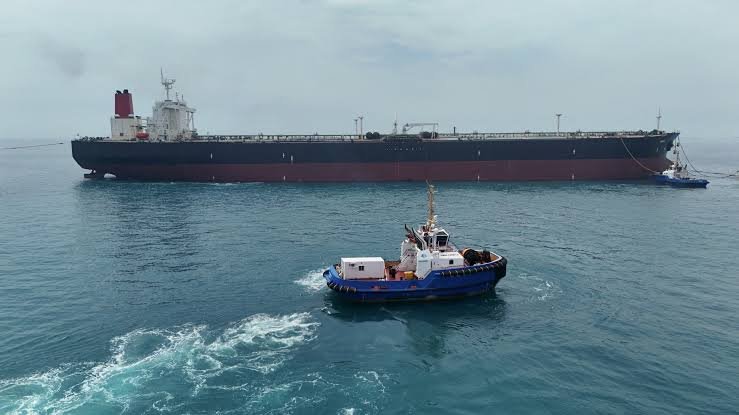
Hormuz shipping disruptions pushed oil prices higher on Monday as traders weighed growing geopolitical risks. Expectations for a quick diplomatic breakthrough between the United States and Iran have weakened. Meanwhile, reduced tanker traffic through the Strait of Hormuz has added fresh concern about regional supply flows.
Brent crude futures climbed as much as 1% to reach $89.40 per barrel. The benchmark later traded around $89.20, gaining 72 cents. U.S. West Texas Intermediate futures also advanced, rising 44 cents to $82.83 per barrel.
Both major benchmarks posted gains of more than 5% last week. The increases followed attacks involving tankers operated by Abu Dhabi National Oil Company in the Strait of Hormuz. A separate strike also targeted a Saudi Aramco refinery, further raising fears about energy infrastructure.
Diplomatic uncertainty has added another layer of pressure to the market. Iranian Foreign Minister Abbas Araqchi said Tehran had not decided whether to restart negotiations with Washington. U.S. President Donald Trump, meanwhile, told Americans to prepare for somewhat higher gasoline prices while the conflict continues.
Market analysts say oil has recovered much of its early-August decline. Priyanka Sachdeva, head of market insights at Phillip Nova in Singapore, linked the rebound to fading hopes for a lasting U.S.-Iran settlement. She also said geopolitical risk premiums had returned to crude markets.
However, traders may need stronger evidence before oil prices move substantially higher. A renewed escalation in the Strait of Hormuz could provide that catalyst. Major tanker damage or attacks against oil facilities would likely create much greater supply concerns.
Hormuz shipping disruptions became more visible over the weekend, according to ship-tracking data from Kpler. Only five commodity vessels crossed the strait on Saturday. No commodity vessel transits appeared in the data for Sunday, compared with 31 during the previous weekend.
The latest slowdown follows a series of incidents involving commercial vessels. The United Arab Emirates accused Iran of attacking another ADNOC-operated vessel on Friday. The vessel was traveling through the strait when the incident occurred, according to the Emirati state news agency WAM.
The UAE had previously blamed Iran for two other incidents involving ADNOC vessels. Those incidents reportedly occurred on Thursday evening. Iran’s position and the wider diplomatic uncertainty continue to shape expectations across global energy markets.
The Strait of Hormuz remains a crucial route for international energy shipments. Any prolonged disruption could increase transportation risks and strengthen crude prices. For now, traders appear focused on whether shipping activity recovers or further attacks cause additional interruptions.
Hormuz shipping disruptions therefore remain a key factor for oil markets this week. Investors will closely watch tanker movements, diplomatic statements, and developments around regional energy facilities. Until those risks ease, crude prices may continue to carry a significant geopolitical premium.