

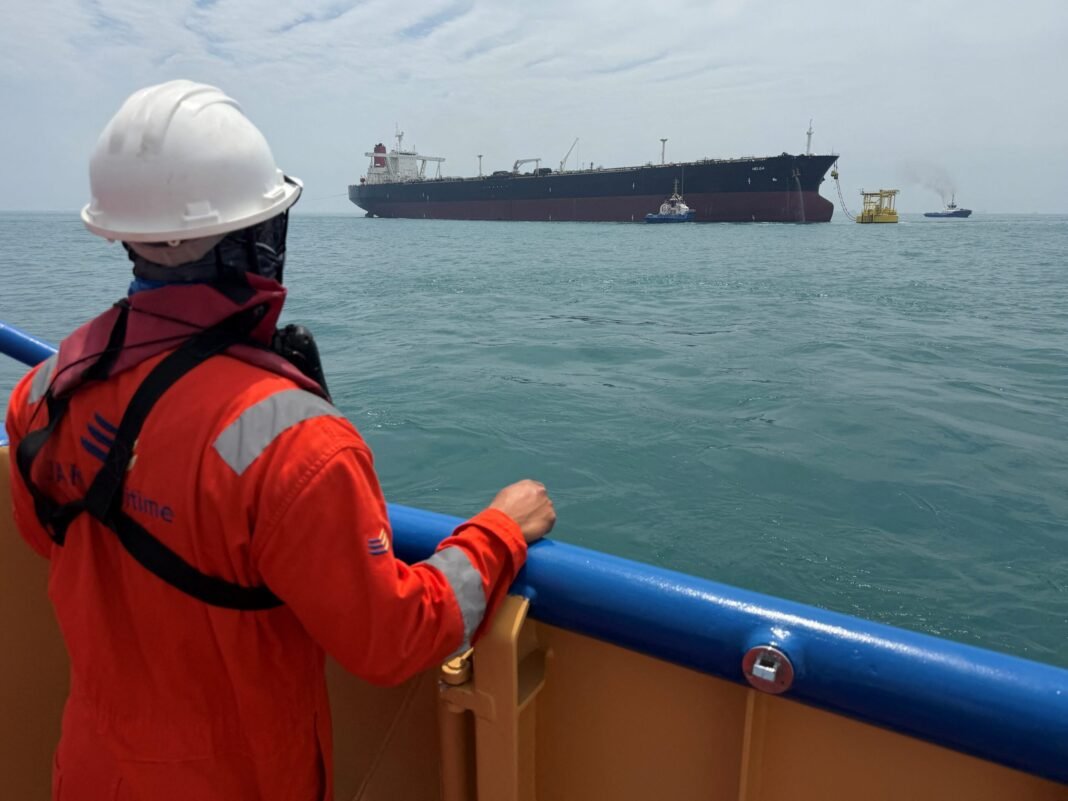
The growing oil export crisis has become a major concern for Iraq as regional tensions continue to disrupt trade routes and energy markets. Iraqi officials now warn that prolonged instability could place additional pressure on government finances. The country depends heavily on oil income, making any interruption to exports a serious economic challenge.
Recent developments in the region have increased uncertainty about Iraq’s financial future. The confrontation involving the United States, Israel, and Iran has created new risks for shipping and energy supplies. As a result, concerns have intensified over the security of vital maritime routes used by Iraqi crude exports.
Iraqi Foreign Minister Fuad Hussein recently highlighted the dangers linked to the closure of the Strait of Hormuz. He explained that Iraq relies on this strategic waterway to transport most of its oil shipments. Any prolonged disruption could sharply reduce state revenues and limit the government’s financial flexibility.
The minister also warned that the situation could affect the government’s ability to meet important obligations. Public sector salaries remain one of the largest expenses in the national budget. According to Hussein, authorities have already started relying on financial reserves, domestic borrowing, and government bonds to maintain essential spending.
Meanwhile, the Central Bank of Iraq has called for stronger measures to protect the economy from external shocks. Bank officials stressed the need for long-term planning rather than temporary solutions. They encouraged policymakers to strengthen financial reserves and improve debt management practices.
In addition, the central bank urged the government to diversify income sources. Iraq has long depended on oil revenues to finance public services and development projects. Experts argue that broader economic reforms could reduce vulnerability during periods of market instability.
Before the current tensions escalated, Iraq exported roughly 3.5 million barrels of oil each day. Most of those exports moved through the Strait of Hormuz. Consequently, any interruption along that route directly affects the country’s earnings and overall budget performance.
Economic analysts note that Iraq already faces growing financial pressure. Current oil revenues reportedly remain below two trillion Iraqi dinars per month. Non-oil revenues add roughly 1.5 trillion Iraqi dinars during the same period. Together, these figures fall well below government spending requirements.
The scale of the challenge becomes clearer when salary obligations are considered. Iraq requires approximately 8.5 trillion Iraqi dinars every month to cover wages alone. This gap has intensified concerns surrounding the ongoing oil export crisis and its potential consequences.
Looking ahead, officials continue to monitor developments across the region. Many hope diplomatic efforts will reduce tensions and restore stability to key shipping lanes. Until then, the oil export crisis remains one of the most significant threats facing Iraq’s economy and public finances.