

The escalating conflict involving Iran, the United States, and Israel is placing significant pressure on Iraq’s economy. Growing concerns over disrupted trade routes and energy exports have intensified fears about the country’s financial stability. Analysts warn that expanding Iraq economic challenges could affect government spending, public services, and long-term growth prospects.
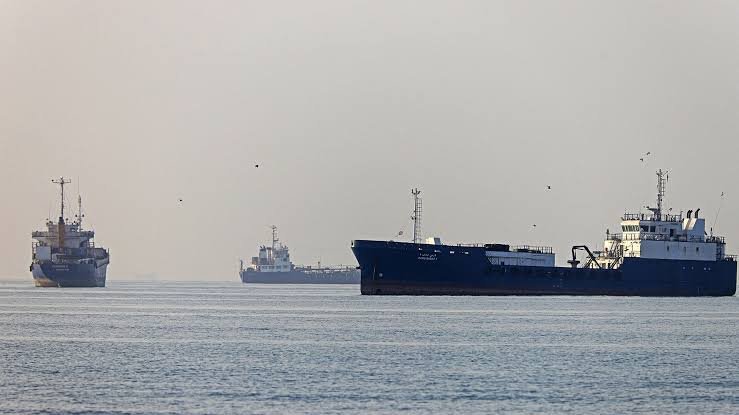
A major source of concern is the disruption of maritime traffic through the Strait of Hormuz. The strategic waterway serves as a critical route for Iraq’s crude oil exports, which generate the vast majority of state revenue. Any prolonged interruption threatens the country’s ability to maintain steady income from international oil sales.
Iraqi officials have increasingly voiced concern about the situation. Foreign Minister Fuad Hussein warned that continued instability in the region could have serious economic consequences. He stressed that Iraq remains heavily dependent on the Strait of Hormuz for exporting crude oil to global markets.
According to Hussein, the conflict could directly affect the government’s financial position. Reduced export activity would limit oil revenues and place additional pressure on public finances. This situation could complicate efforts to meet essential obligations, including public sector salaries and operational expenditures.
To manage immediate financial needs, authorities have reportedly relied on several funding sources. These include financial reserves, government bonds, and domestic borrowing mechanisms. While such measures can provide short-term relief, economists generally view them as temporary solutions rather than long-term strategies.
The growing Iraq economic challenges have also drawn attention from the Central Bank of Iraq. Officials emphasized the importance of adopting policies that reduce dependence on oil revenues and strengthen resilience against external shocks. Global energy markets remain highly sensitive to geopolitical tensions, creating uncertainty for oil-dependent economies.
The Central Bank has encouraged policymakers to diversify sources of income and improve debt management practices. It also recommended building stronger financial reserves that can support the economy during periods of market volatility. These measures aim to reduce vulnerability to fluctuations in oil prices and export volumes.
As a founding member of Organization of the Petroleum Exporting Countries, Iraq relies heavily on crude exports to fund government operations. Before the current crisis, the country exported approximately 3.5 million barrels of oil per day. Most of those shipments traveled through the Strait of Hormuz, making the route vital to Iraq’s economic stability.
Observers note that current revenue levels remain below government spending requirements. Monthly oil income reportedly generates around two trillion Iraqi dinars, while non-oil revenues contribute roughly 1.5 trillion dinars. Together, these amounts remain significantly below overall expenditure needs.
Government salary obligations alone require approximately 8.5 trillion Iraqi dinars each month. This gap highlights the scale of the financial pressure facing policymakers. If regional tensions persist and export disruptions continue, Iraq economic challenges could become even more pronounced in the months ahead.
Officials continue to monitor developments closely while exploring measures to protect public finances. The outcome of the regional conflict and the future of key shipping routes will likely play a crucial role in shaping Iraq’s economic outlook for the remainder of the year.