

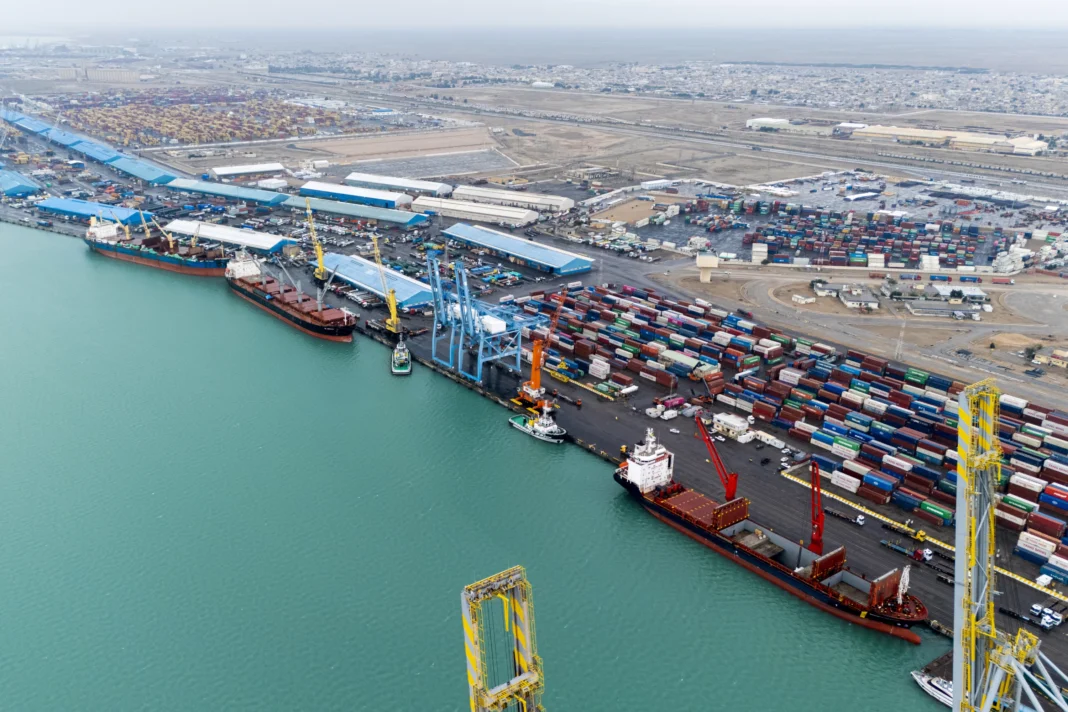
Iraqi crude exports resume with renewed activity at the country’s southern oil terminals. Two large tankers are currently receiving a combined four million barrels of crude oil at ports in Basra. The development marks an important step for Iraq’s energy sector after months of uncertainty. It also reflects improving conditions across one of the world’s most important oil shipping routes.
According to a source at Iraq’s ports authority, the vessels include a Greek tanker and an Emirati tanker. Both ships arrived at Basra’s southern export facilities to receive crude destined for international markets. Loading operations continue as authorities work to restore normal export levels. Industry observers view the move as a positive signal for regional energy trade.
The latest shipments follow a preliminary understanding announced between Iran and the United States on Sunday. That development helped ease tensions in the Gulf region and encouraged maritime operators to resume normal activities. As confidence returned to shipping companies, traffic gradually increased through key waterways. Oil exporters across the region welcomed the improvement.
The Strait of Hormuz plays a critical role in global energy transportation. The narrow waterway connects Gulf producers with major markets in Asia, Europe, and beyond. Any disruption in the corridor quickly affects supply chains and energy prices. For that reason, governments and energy companies closely monitor developments in the area.
Since late February, instability linked to the conflict involving Iran, the United States, and Israel disrupted maritime traffic. The situation reduced the movement of commercial vessels through the strategic passage. As a result, several Gulf producers adjusted export schedules and shipping plans. Iraq faced particular challenges because most of its oil exports depend on access through the strait.
Industry estimates show that roughly 95 percent of Iraq’s exported crude travels through Hormuz. When shipping conditions deteriorated, energy companies had limited alternatives. Export volumes slowed, and uncertainty increased across regional markets. Consequently, many traders watched the situation closely for signs of improvement.
Now, Iraqi crude exports resume as shipping lanes reopen and tanker activity returns to Basra’s ports. Market participants expect additional vessels to arrive if stability continues. Increased loading operations could support stronger export volumes in the coming weeks. That outcome would benefit both Iraq’s economy and international energy buyers.
Looking ahead, officials and energy analysts remain focused on regional security conditions. Stable maritime routes remain essential for maintaining reliable oil supplies. Continued cooperation among regional and international stakeholders could help prevent future disruptions. For now, Iraqi crude exports resume, offering renewed momentum for Iraq’s vital oil industry and broader Gulf energy trade.