

Baghdad – Iraq is moving quickly to expand oil exports through Turkey as security concerns and shipping disruptions in the Strait of Hormuz create new risks for energy supplies across the Gulf region.
The Iraq Turkey oil exports plan gained momentum after the Iraqi cabinet approved a major increase in export capacity through the Iraq-Turkey pipeline. As a result, Baghdad aims to strengthen alternative routes and reduce its dependence on Gulf shipping lanes.
Under the new plan, Iraq intends to raise exports through the pipeline from 220,000 barrels per day to 770,000 barrels per day within two and a half months. Previously, authorities had targeted 500,000 barrels per day. However, growing regional instability encouraged officials to adopt a more ambitious goal.
The decision comes as tensions involving Iran, Israel, and the United States continue to affect regional security. Consequently, concerns about the safety of maritime trade routes have increased. Energy producers across the Gulf have also faced growing uncertainty regarding export operations.
Recent developments have intensified those concerns. Following an Iranian missile and drone attack on Kuwait Airport, regional governments voiced alarm over the escalating situation. Moreover, the incident renewed fears about the vulnerability of critical infrastructure and transport networks.
For Iraq, the Strait of Hormuz remains a crucial gateway for oil exports. Therefore, any disruption to shipping traffic could have serious economic consequences. Since oil revenues provide the backbone of Iraq’s economy, officials have prioritized efforts to secure alternative export channels.
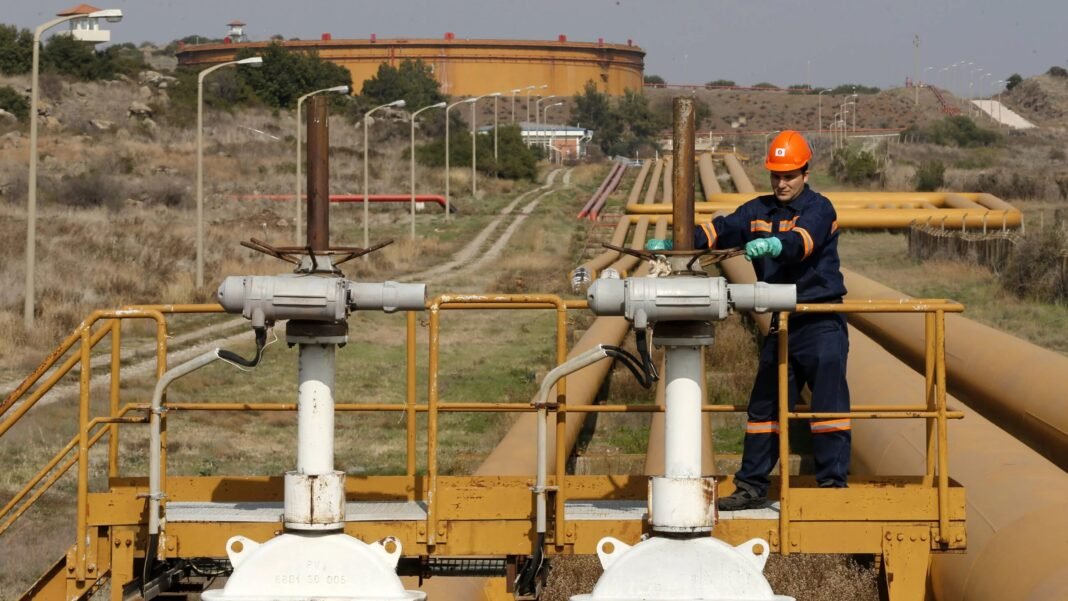
The Iraq Turkey oil exports strategy received a boost in March when Baghdad resumed exports through the Ceyhan pipeline following an agreement with the Kurdistan Regional Government. Consequently, Iraq regained access to an important route connecting its oil fields to international markets through Turkey’s Mediterranean coast.
The pipeline allows crude oil from Kurdistan and Kirkuk fields to bypass Gulf waters entirely. As a result, Iraq can continue exporting energy even if regional maritime routes face disruptions. Furthermore, the route offers greater flexibility during periods of geopolitical uncertainty.
In addition to the Turkish corridor, Iraqi authorities continue to explore other export options. Meanwhile, officials are studying pipeline and overland routes through Syria and Jordan. These projects aim to diversify export channels and reduce exposure to regional security risks.
Analysts believe recent events could reshape energy strategies across the Middle East. Moreover, many countries are reassessing their dependence on vulnerable maritime routes. As a result, investment in alternative infrastructure has become increasingly important.
The expanding Iraq Turkey oil exports initiative reflects Baghdad’s broader effort to protect oil revenues and strengthen energy security. Therefore, the project may play a central role in Iraq’s long-term strategy as regional tensions continue to challenge traditional export pathways.