

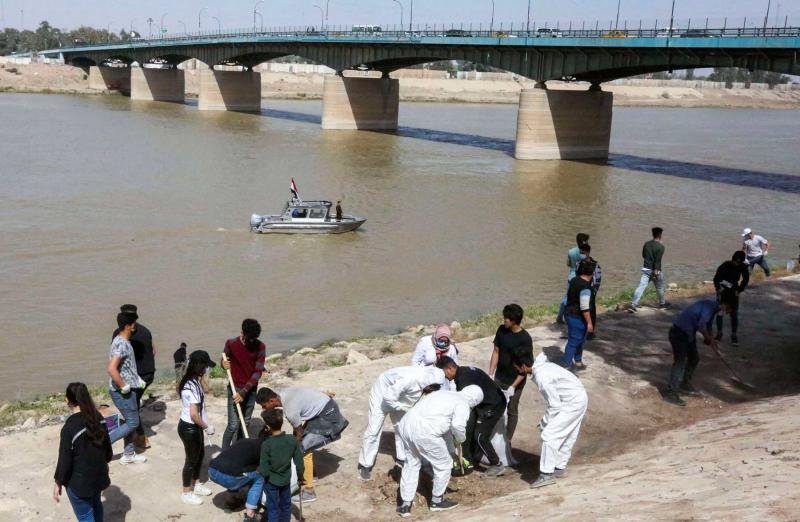
Iraq strengthens water pollution response as authorities control contamination in the Tigris River after a major silt surge from the Diyala River. Officials acted quickly to limit environmental damage. As a result, water quality improvements begin downstream. Therefore, agencies continue monitoring affected regions closely.
First, the contamination started at the confluence of the Tigris and Diyala rivers. Heavy water flows carried large amounts of sediment. Consequently, the river system experienced rising pollution levels. Iraq strengthens water pollution response to protect public water supplies.
Moreover, the sediment movement spread downstream into southern regions. This created pressure on water treatment systems. In addition, local authorities reported increased difficulty in managing water quality. Iraq strengthens water pollution response through coordinated government action.
Furthermore, Environment Minister Hallo al-Askari confirmed that teams contained the issue. He explained that the ministries of environment and water resources worked together with local governments. As a result, emergency measures helped reduce contamination spread.
At the same time, officials identified sediment buildup as the main cause. Water flows pushed waste and silt from the riverbed into the system. Therefore, contamination levels increased rapidly across multiple areas.
In addition, the situation followed a major fish die-off in Wasit province. Around 1,000 to 1,200 tons of fish died due to polluted water. This event highlighted the severity of the environmental pressure. Iraq strengthens its water pollution response after these ecological losses.
Moreover, the Iraqi Association of Fish Producers reported long-term pollution buildup. It stated that waste and sediment gradually accumulated over time. Consequently, river conditions worsened significantly.
Furthermore, authorities continue to take preventive measures to avoid future incidents. Monitoring systems track water quality across key river points. In addition, teams aim to reduce risks from upstream flows and dam releases.
Previously, Iraq faced recurring challenges in river management. However, recent coordination between ministries improved response speed. Therefore, officials aim to strengthen long-term water control strategies.
In conclusion, Iraq manages to contain the Tigris River contamination event. Authorities continue efforts to protect water resources and reduce environmental damage.