

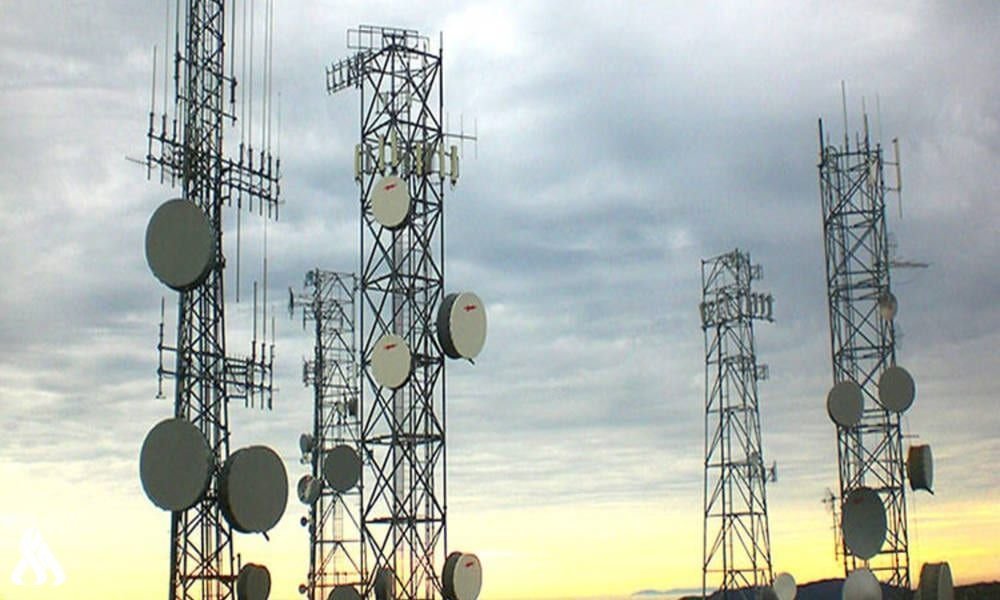
Iraq’s new Communications Minister Mustafa Sanad has announced a major plan to improve national internet services by early 2027. The initiative aims to deliver faster connections, better service quality, and more affordable prices for users across the country. Officials say the project will focus heavily on expanding and modernizing Iraq internet infrastructure.
Sanad revealed the plan in a statement published on his official X account on Wednesday. He addressed growing public frustration over telecommunications services and clarified the responsibilities of different government institutions within the sector.
The minister explained that complaints involving mobile operators do not fall directly under the Ministry of Communications. Issues related to balance charging, internet packages, network coverage, and subscription periods remain under the authority of Iraq’s Communications and Media Commission. The CMC operates independently from the ministry and regulates telecommunications companies nationwide.
Sanad stressed that the Ministry of Communications primarily handles the development and maintenance of Iraq internet infrastructure. He said improving the country’s digital backbone remains a top priority for the government’s future technology plans.
According to the minister, the ministry also oversees several additional responsibilities linked to Iraq’s digital transformation efforts. These duties include managing postal services, supporting data encryption systems, and expanding electronic governance platforms for public institutions.
The government additionally plans to move forward with the country’s proposed fourth mobile phone license. As well as, officials believe expanding competition within the telecommunications market could improve service quality and create more options for consumers across Iraq.
Internet services in Iraq have faced criticism for years due to weak coverage, slow speeds, and high prices in some areas. Many users frequently complain about unstable connections and limited infrastructure outside major cities.However, businesses and educational institutions have also called for better digital services to support economic growth and online learning.
Sanad’s announcement comes as Iraq continues broader modernization efforts in technology and public services. Authorities increasingly view digital infrastructure as essential for economic development, investment opportunities, and government efficiency.
The communications sector remains especially important as demand for online services continues rising nationwide. More Iraqis now depend on internet access for education, banking, commerce, healthcare, and daily communication. Officials believe stronger infrastructure could improve productivity and attract future technology investments.
The new minister did not provide detailed financial figures for the initiative. However, he promised that Iraq internet infrastructure projects would move forward rapidly to meet the 2027 target date. Observers expect the government to announce further technical and investment plans in the coming months.