

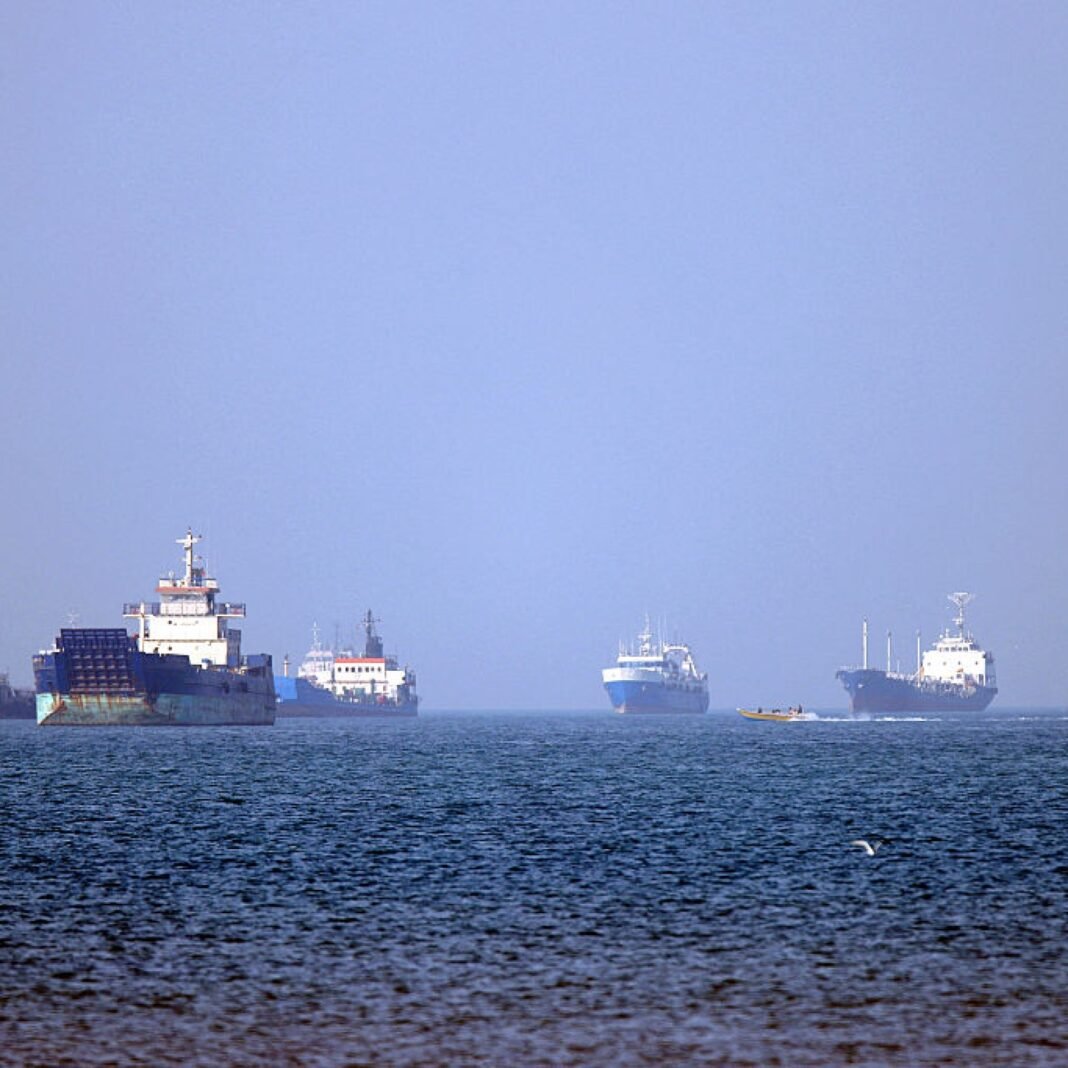
Iraq is weighing four oil export corridors to reduce its reliance on the Strait of Hormuz. The proposals would open alternative pathways through Jordan, Syria, Oman, and Turkiye. The move could give Baghdad greater control over crude shipments during regional disruptions.
Before the recent regional war, around 95% of Iraq’s crude exports traveled through Hormuz. That dependence left the country exposed to disruptions around one of the world’s key shipping routes. Iraqi exports have since recovered somewhat, although volumes remain below earlier levels.
Oil Minister Basim Mohammed Khudair Al-Abadi reported average exports of about two million barrels per day in August. The figure marks a partial recovery after the disruption. However, it still falls short of Iraq’s previous export levels.
The Eco Iraq Observatory has called for several pipeline corridors to diversify Iraq’s export network. One proposed route would run from Basra through Haditha to Al-Aqaba in Jordan. The corridor would give Iraqi crude access to Jordan’s Red Sea coastline.
Another proposal would connect Haditha with Baniyas on Syria’s Mediterranean coast. That route could provide access to Mediterranean markets without requiring Iraqi crude to cross Hormuz. Such diversification could become increasingly important during periods of regional instability.
Iraq has already moved forward with part of the proposed western network. The Basra-Haditha section is designed to transport around 2.25 million barrels per day. Authorities are also preparing for further connections beyond Haditha.
On August 29, Al-Abadi directed officials to speed up preparations for a wider pipeline network. The planned system would extend from Haditha toward Fishkhabur and Baniyas. The additional links could strengthen Iraq’s ability to redirect crude toward different export destinations.
The proposals also include potential routes through Oman and Turkiye. These corridors could broaden Iraq’s access to international markets and reduce pressure on its existing export infrastructure. They could also provide additional options when security concerns affect maritime traffic.
Developing the network would not be simple. Iraq would need major investment, cross-border agreements, and stable security conditions. Construction would also require close coordination with neighboring countries and potential international partners.
The strategy reflects a broader concern over Iraq’s vulnerability to regional shocks. Oil revenues remain crucial to the country’s economy, making reliable exports especially important. Iraq oil export routes could help Baghdad protect those revenues by creating multiple pathways to global markets.
The proposed projects also offer Iraq an opportunity to strengthen its long-term energy infrastructure. A diversified network could allow exporters to respond more quickly when one route faces disruption. Iraq oil export routes may therefore become a central element of future energy planning.
For now, Hormuz continues to play a major role in Iraq’s crude exports. Baghdad’s latest pipeline proposals signal a push toward greater flexibility. If completed, Iraq oil export routes could reduce the country’s dependence on a single strategic shipping corridor.