

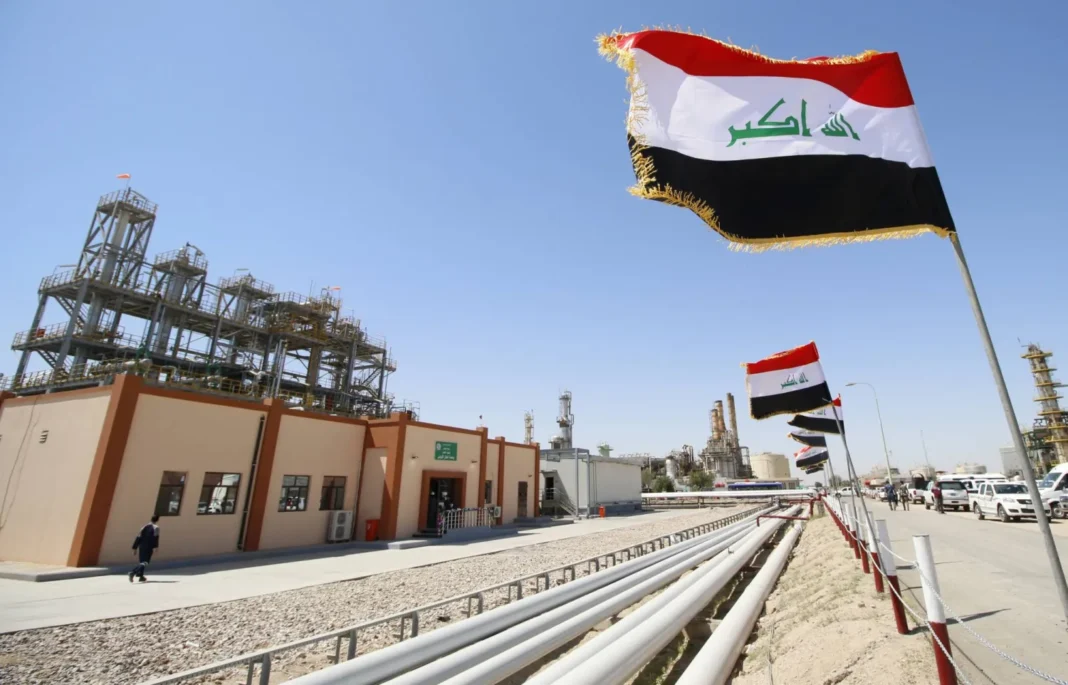
Iraq strengthened its position in the American energy market after a sharp increase in crude shipments to the United States. Recent data from the US Energy Information Administration (EIA) showed that Iraq oil exports to US refineries averaged 107,000 barrels per day during the latest reporting week. The increase pushed Iraq into sixth place among the largest foreign crude suppliers to the American market.
The latest figures reflect a significant recovery compared with the previous week. During the earlier reporting period, Iraq supplied only 43,000 barrels per day to the United States. The jump highlights the often-changing nature of global oil trade flows and refinery demand.
According to EIA statistics, Canada remained the leading source of crude imports for the United States by a wide margin. Canadian exports reached nearly 3.99 million barrels per day, maintaining the country’s dominant position in the North American energy market. Venezuela followed in second place with average shipments of 577,000 barrels per day. (U.S. Energy Information Administration)
Colombia ranked third among suppliers, sending approximately 154,000 barrels per day to the United States. Mexico secured fourth place with exports of 151,000 barrels per day. Meanwhile, Saudi Arabia led Middle Eastern suppliers, delivering around 145,000 barrels per day and narrowly staying ahead of Iraq.
With exports averaging 107,000 barrels per day, Iraq claimed sixth position in the rankings. The country also recorded one of the strongest weekly increases among major suppliers. The rise demonstrates the continued importance of Iraqi crude in international markets despite shifting global energy dynamics.
Further down the list, Ecuador exported around 40,000 barrels per day to the United States. Brazil followed closely with shipments averaging 34,000 barrels per day. Together, these suppliers contributed to the diverse mix of crude oil imported by American refiners.
The report also revealed notable changes among African exporters. Nigeria and Libya recorded no crude shipments to the United States during the monitored week. Their absence highlighted how export volumes can fluctuate significantly due to market conditions, logistics, refinery demand, and changing trade routes.
The growth in Iraq oil exports to US markets comes as global energy markets continue to experience volatility. Refiners regularly adjust purchasing strategies based on price movements, supply availability, and geopolitical developments. These factors often influence weekly import patterns and supplier rankings. (Reuters)
Iraq remains one of the world’s largest oil producers and relies heavily on crude exports as a key source of government revenue. Strong demand from international buyers continues to support the country’s energy sector and economic activity.
As global oil markets evolve, Iraq oil exports to US buyers are likely to remain an important indicator of the country’s role in international energy trade. Future EIA reports will show whether Iraq can maintain or improve its position among America’s leading crude suppliers.