

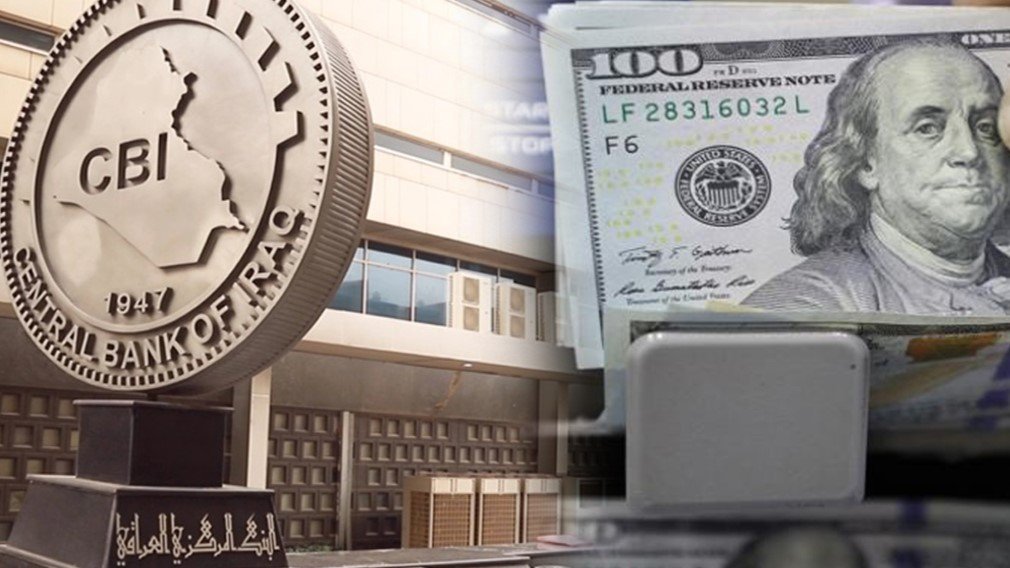
Iraq money supply dropped slightly in the first quarter of 2025, as part of efforts to stabilize the economy. According to the Central Bank of Iraq (CBI), the amount of currency in circulation fell by 0.6 percent during this period.
The money supply went down from 100.5 trillion Iraqi dinars to 99.9 trillion dinars. This change represents a reduction of 600 billion dinars within three months.
This decrease comes as part of the CBI’s broader efforts to curb inflation. Lowering the amount of currency in circulation can ease demand pressures in the economy. In turn, this helps avoid sharp price increases for goods and services.
Iraq money supply plays a key role in shaping monetary policy. When more money circulates, people tend to spend more. This can boost growth but also push prices up. By contrast, a tighter money supply can bring inflation under control.
CBI officials have stressed the importance of monetary stability. They continue to monitor financial trends to support long-term growth. As part of that mission, the Bank adjusts liquidity to balance market needs and price movements.
The recent reduction in Iraq money supply signals a proactive step. It shows that policymakers aim to prevent inflation from rising too quickly. At the same time, they work to protect consumer purchasing power.
Meanwhile, Iraq faces other economic challenges, including currency exchange rates and global oil price shifts. However, controlling domestic inflation remains a top priority.
In addition, a stable money supply can build investor confidence. Lower inflation often attracts more business activity, especially in sectors sensitive to cost changes. This supports Iraq’s wider economic reform goals.
CBI’s report confirms its focus on financial discipline. The slight decline in currency circulation forms part of a larger strategy to steer the economy toward recovery and stability.
Looking ahead, the Bank may continue to fine-tune its policies. If inflation trends shift, more changes in the Iraq money supply could follow.