

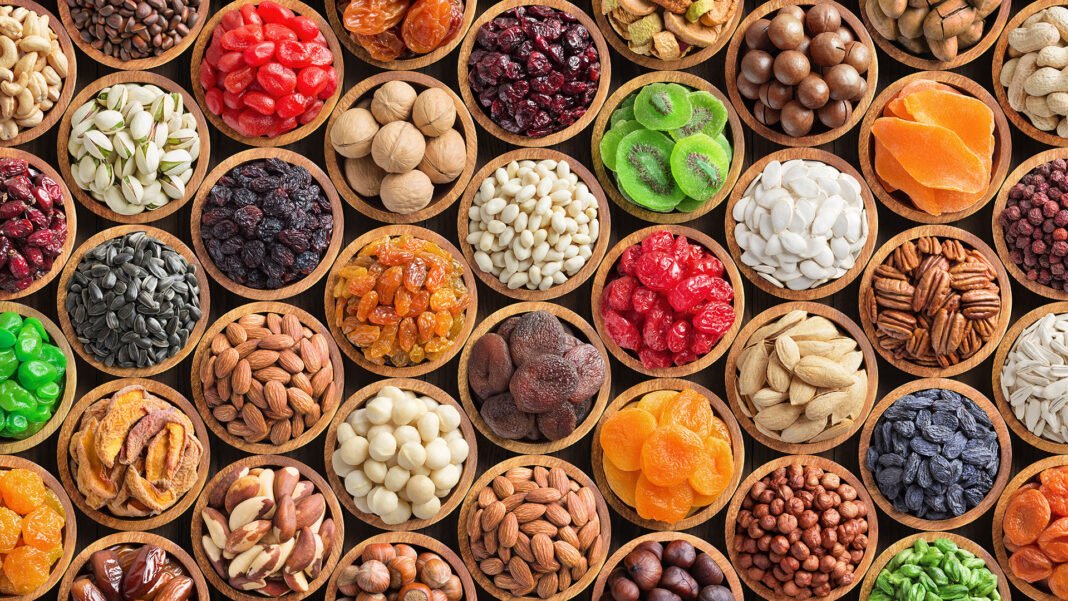
Iraq’s Iraq fruit imports reached more than $1.5 billion in 2025, reflecting rising demand for fresh produce and nuts despite ongoing efforts to strengthen domestic agriculture. New trade data shows the country significantly increased spending on imported fruits and related products compared with the previous year. The figures highlight Iraq’s continued reliance on international food markets.
According to Trade Map data, Iraq imported edible fruits, nuts, citrus peel, and melons worth $1.541 billion during 2025. The total represents a 23.3 percent increase from $1.250 billion recorded in 2024. The year-on-year growth added approximately $291.5 million to the country’s import bill.
Citrus fruits accounted for the largest share of imported products. Fresh and dried citrus varieties generated imports worth $706.8 million, making them Iraq’s leading fruit import category. Strong consumer demand continued to drive purchases throughout the year.
Bananas ranked second among Iraq’s imported fruit products. Imports of bananas reached $275.2 million, reflecting their popularity across local markets. The category remained one of the country’s largest food import segments.
Nuts represented another major component of Iraq’s food imports. The country spent $199.2 million on imported nuts during 2025. These products continue to supply households, food manufacturers, restaurants, and retail businesses nationwide.
Imports of apples, pears, and quinces totaled $122.7 million during the year. Meanwhile, apricots, cherries, peaches, and plums generated imports worth $79.1 million. Together, these fruit categories contributed significantly to Iraq’s growing food import market.
The latest figures placed Iraq among countries importing more than $1.5 billion worth of fruits and nuts during 2025. The milestone reflects both growing consumer demand and the country’s dependence on imported agricultural products. Seasonal shortages and changing consumption patterns continue to influence purchasing trends.
Globally, fruit and nut imports reached approximately $192.68 billion in 2025. International trade remained strong as countries increased purchases to meet domestic demand. Large consumer markets continued to dominate global import rankings.
The United States remained the world’s largest importer, purchasing $25.67 billion worth of fruits and nuts. Chinafollowed with $20.69 billion, while Germany imported $16.27 billion. The Netherlands ranked next at $10.45 billion, followed by the United Kingdom with $8.29 billion.
The continued rise in Iraq fruit imports highlights increasing demand across the country’s food sector. Population growth, changing consumer preferences, and expanding retail markets continue to support higher import volumes. These factors have strengthened Iraq’s position among major global importers of fruits and nuts.
While Iraq continues investing in agricultural development, imported produce remains essential for meeting domestic demand throughout the year. The steady growth in Iraq fruit imports underscores the importance of international trade in ensuring stable food supplies and product diversity for Iraqi consumers.