

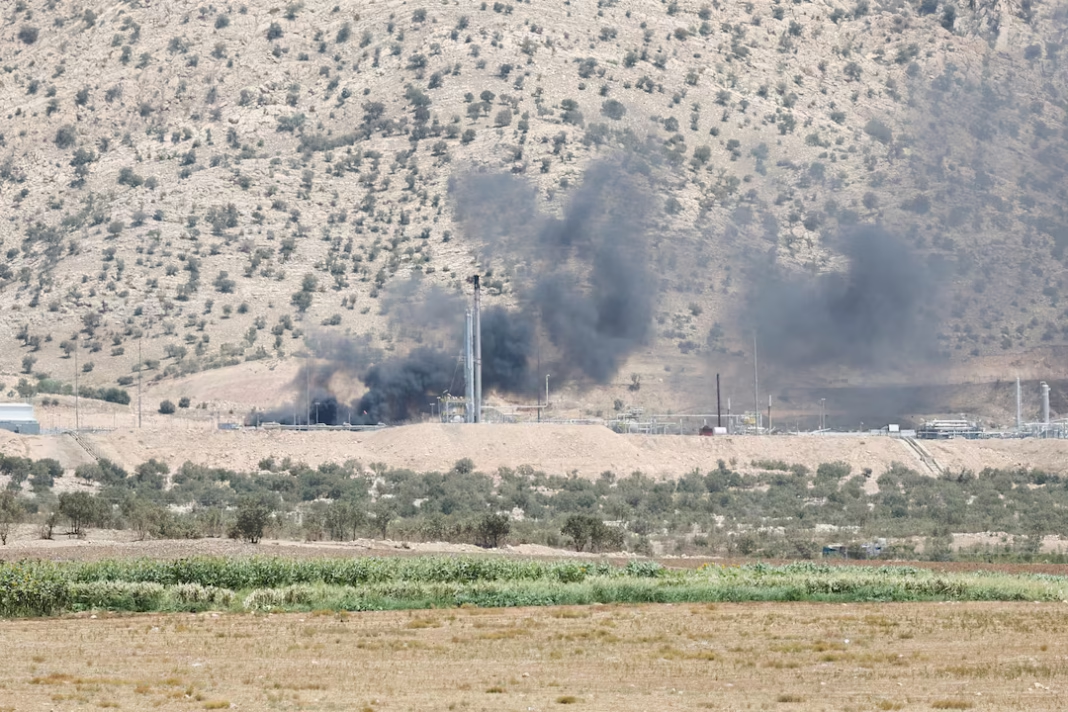
Kurdistan oil infrastructure under threat as the Kurdistan Regional Government’s Ministry of Natural Resourcesconfirmed. A drone attack on the Ain Safni oil field in Sheikhan, Duhok Governorate. U.S.-based Hunt Oil operates the field, which came under attack earlier this week.
While the attack caused no reported casualties, it seriously damaged vital infrastructure, according to an official statement. This incident adds to a growing pattern of strikes targeting oil facilities across the Kurdistan Region. Raising both economic and security concerns.
The Ministry of Natural Resources condemned what it called “terrorist acts”, warning that such actions threaten the Kurdistan Region’s economic stability and endanger civilian energy workers. The Ministry urged Iraq’s federal government and the international community to respond quickly.
Officials called for immediate protection measures for critical oil facilities and stronger security coordination. They also reaffirmed their commitment to energy workers’ safety and to maintaining the region’s role in regional and global energy stability.
In a related response, the Association of the Petroleum Industry of Kurdistan (APIKUR) also denounced the attack. The group stated that the strikes put both Iraqi and expatriate workers at serious risk. The damage affected multiple facilities and disrupted production activities.
According to APIKUR, most of its member companies—whether directly impacted or not—suspended operations, halting over 200,000 barrels per day of oil production. Operators are now assessing the extent of the damage and the impact on field operations.
The attack on Ain Safni follows similar incidents in recent months. These repeated strikes signal a serious threat to energy infrastructure, not only to Kurdish regional security but also to Iraq’s wider oil economy.
Security analysts warn that if the attacks continue, foreign investment in Kurdistan’s energy sector may decline. Ongoing disruptions also threaten Iraq’s export capacity, especially amid efforts to restart flows through the Iraq-Türkiye Pipeline (ITP).
For now, Kurdistan oil infrastructure under threat remains a key concern for local authorities, foreign investors, and international stakeholders alike. Calls for enhanced protection, political coordination, and rapid response strategiesgrow stronger with each new incident.