

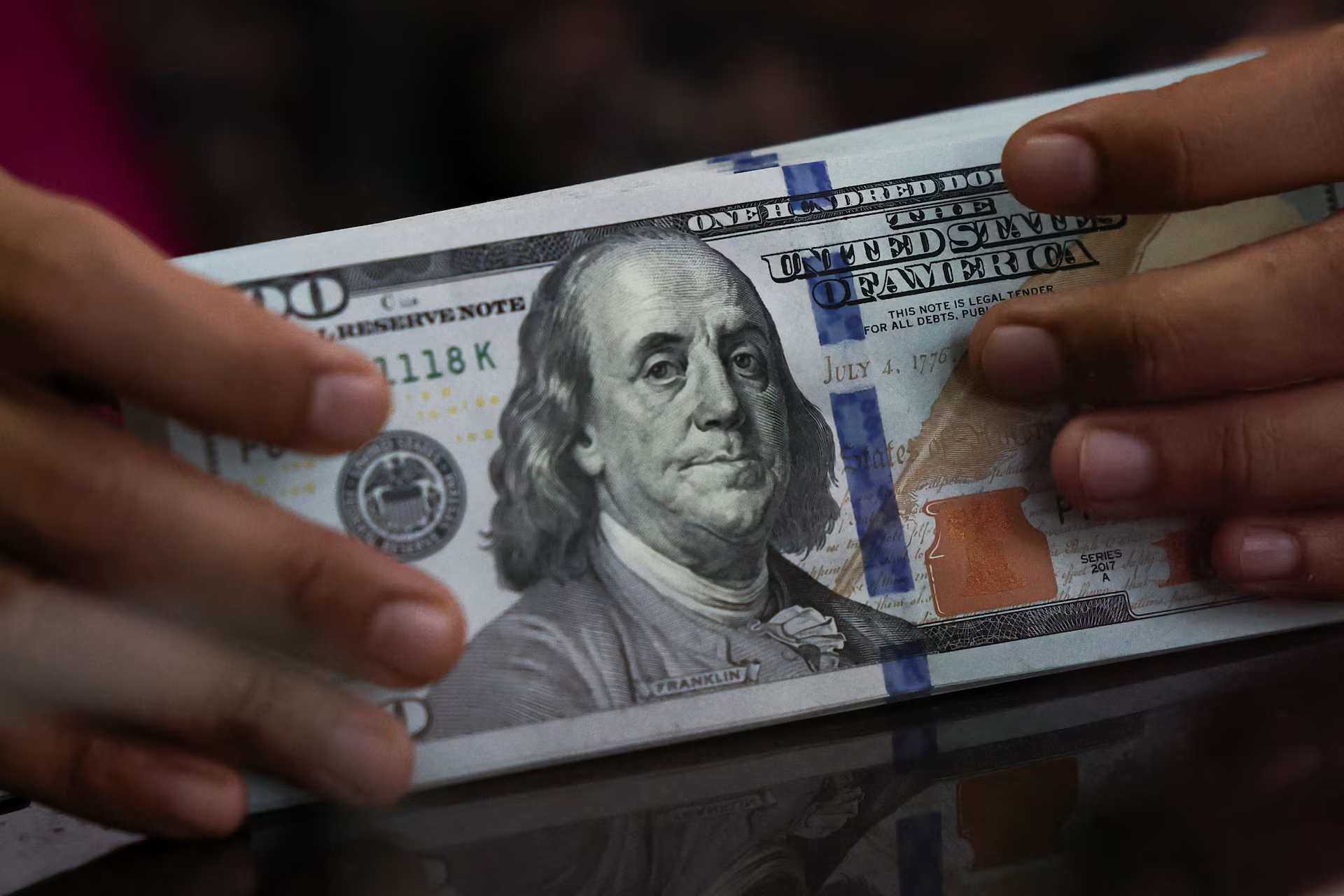
The United States has resumed US dollar shipments to Iraq after suspending transfers for several months, according to senior Iraqi officials. The decision marks a significant development in financial relations between Baghdad and Washington. It also comes after months of economic pressure linked to security and banking concerns.
Two advisers to the Iraqi prime minister confirmed that cash transfers have restarted. Their statements followed a report published by The New York Times on Thursday. Officials said the renewed shipments restore the flow of US currency into Iraq after an extended interruption.
Haider al-Aboudi, spokesperson for the Iraqi prime minister, announced that the transfers had resumed. Financial adviser Mudhar Salih also confirmed the restart. Both officials indicated that US cash deliveries are once again reaching Baghdad.
Government sources had previously disclosed that two shipments of US currency arrived in Baghdad during mid-June. The deliveries reportedly coincided with the visit of US Special Presidential Envoy Tom Barrack. Those shipments signaled the first signs of renewed financial cooperation between the two countries.
Washington suspended cash transfers for several months while pressing Iraq to strengthen state authority over weapons. US officials also urged Baghdad to curb the influence of Iran-backed armed groups operating inside the country. The financial measures formed part of broader efforts to influence Iraq’s security and governance policies.
Iraq depends heavily on oil exports to finance public spending. Oil revenues generate about 90 percent of the federal budget. Those revenues pass through the Federal Reserve Bank of New York, giving the United States considerable influence over Iraq’s access to foreign currency.
The interruption in dollar transfers created additional pressure on Iraq’s financial system. The country relies on US currency to support imports and maintain market stability. Businesses use dollars to purchase food, energy supplies, and many other essential goods from international markets.
Financial analysts viewed the suspension as a powerful economic tool. By limiting the supply of US currency, Washington increased pressure on Baghdad while monitoring financial transactions more closely. The restrictions also affected liquidity within Iraq’s banking sector during the suspension period.
US officials have expressed concerns that Iran exploited Iraq’s financial system to bypass international sanctions. Those concerns contributed to tighter oversight of dollar transfers and banking operations. American authorities have repeatedly emphasized the need for stronger financial controls.
In April, US State Department spokesperson Tommy Pigott warned that attacks by armed factions continued to strain relations between Washington and Baghdad. He also said political and financial support for those groups complicated bilateral cooperation. Those concerns remained central to discussions between both governments.
The resumption of US dollar shipments to Iraq may ease pressure on Iraq’s financial markets while improving access to foreign currency. Businesses and financial institutions could benefit from greater liquidity as regular cash transfers continue. Market observers will closely watch the impact on currency stability and commercial activity.
The return of US dollar shipments to Iraq represents an important step in restoring financial cooperation between Baghdad and Washington. However, broader political and security issues continue to influence the relationship. Future transfers will likely depend on continued progress in financial oversight and regional stability.